
World Famous Sculptures, Sculptors and Museums
Sculpture is one of the most enduring marks humanity has left on history. Shaped from stone, bronze and marble, these works stand as silent witnesses that carry cultures, eras and stories into the present day. On this page, you can explore world-famous sculptures location by location, country by country; learn about the lives and artistic visions of the great sculptors who created these magnificent works. You can also find the most important sculpture museums from every corner of the world right here. You are in the right place to explore the world of sculpture from a broad perspective spanning from Ancient Greece to the Renaissance, from modernism to contemporary art. Last Updated Date:
Sculpture Art Around the World
-
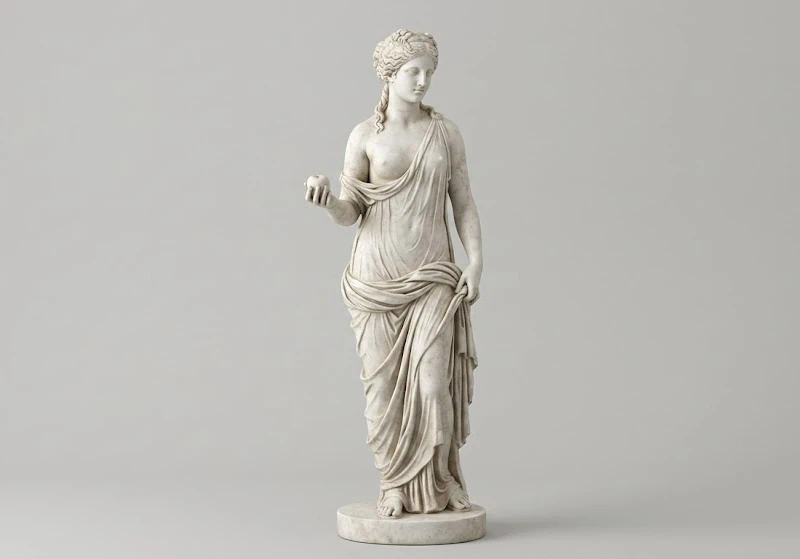
Story of the ancient Aphrodite Statue, goddess of love and beauty -
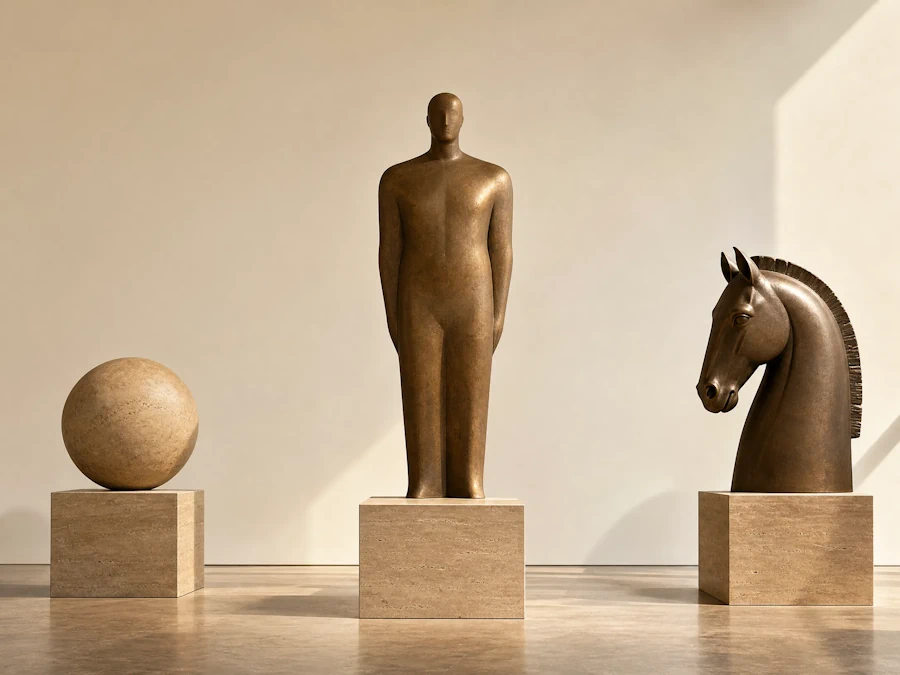
Principle of arranging elements in balance and harmony in sculpture and art What Is Composition
-
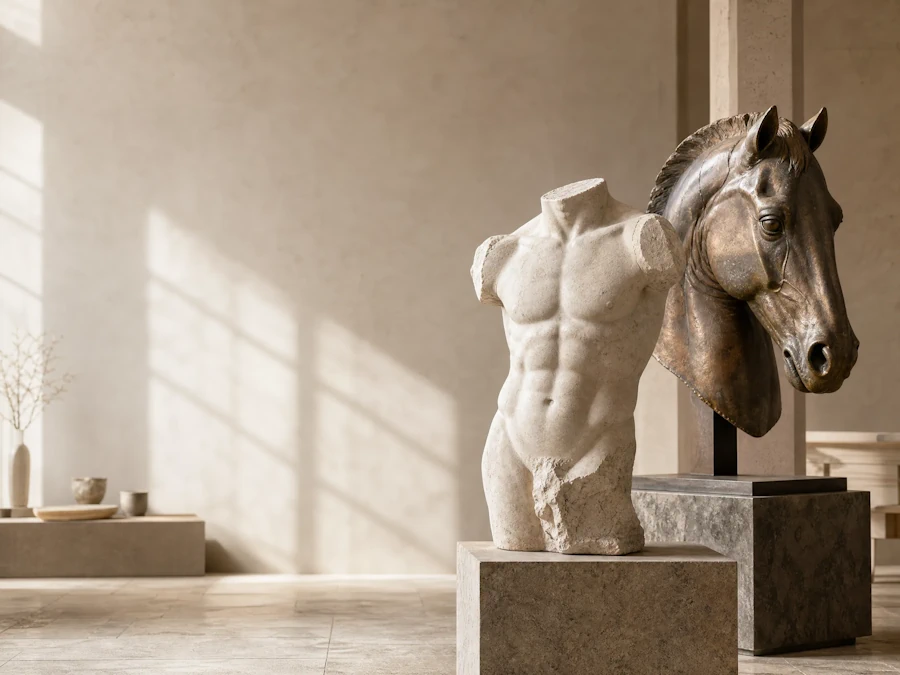
Realistic sculpture and art approach based on human or animal forms What Is Figurative
-
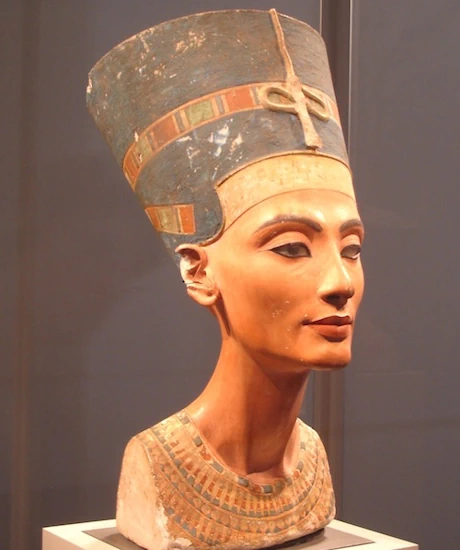
History and information about the Nefertiti bust, a symbol of Ancient Egypt Nefertiti Bust
-
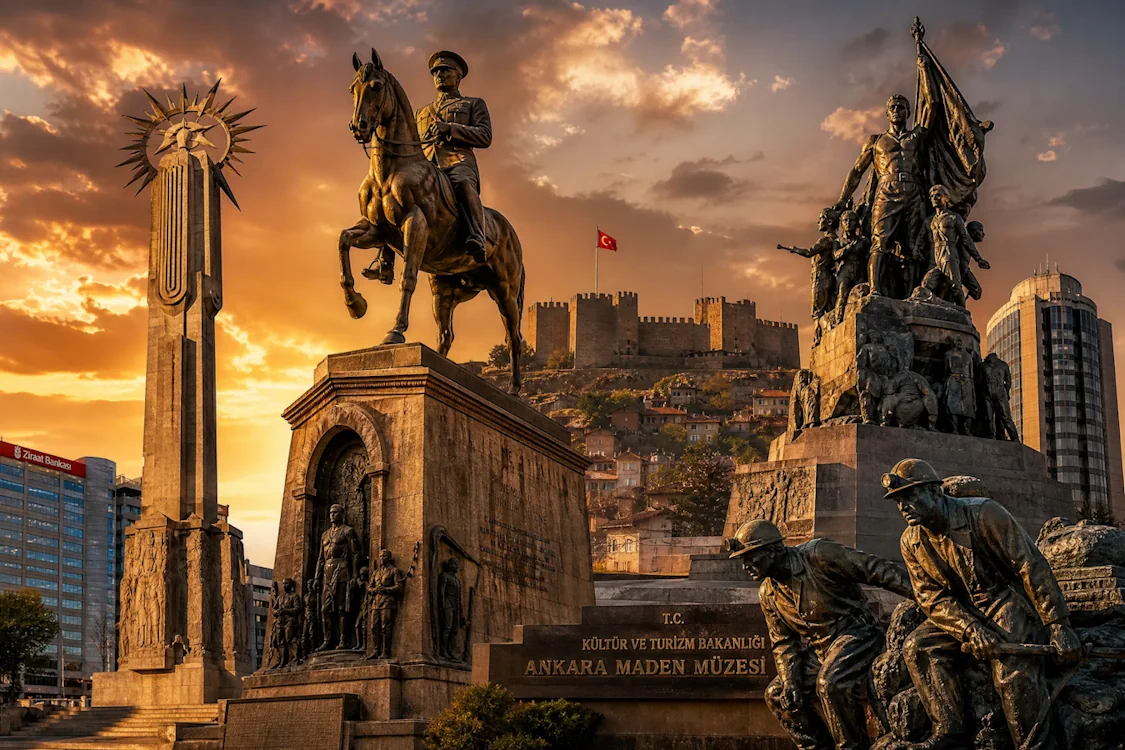
Sculpture works adorning the historical and modern public spaces of Ankara Ankara Sculpture
-
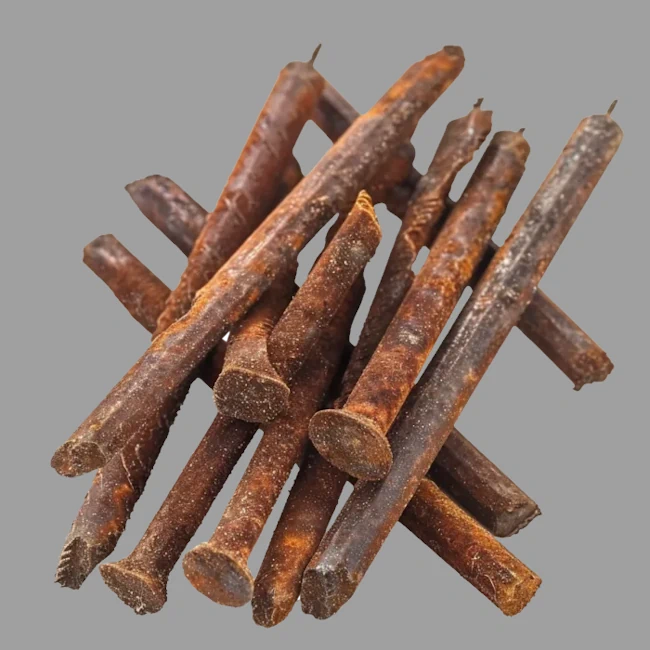
Natural color change process on metal sculpture surfaces caused by oxygen What Is Oxidation?
-

Information about where the Rijksmuseum is Rijksmuseum - Netherlands, Amsterdam
-
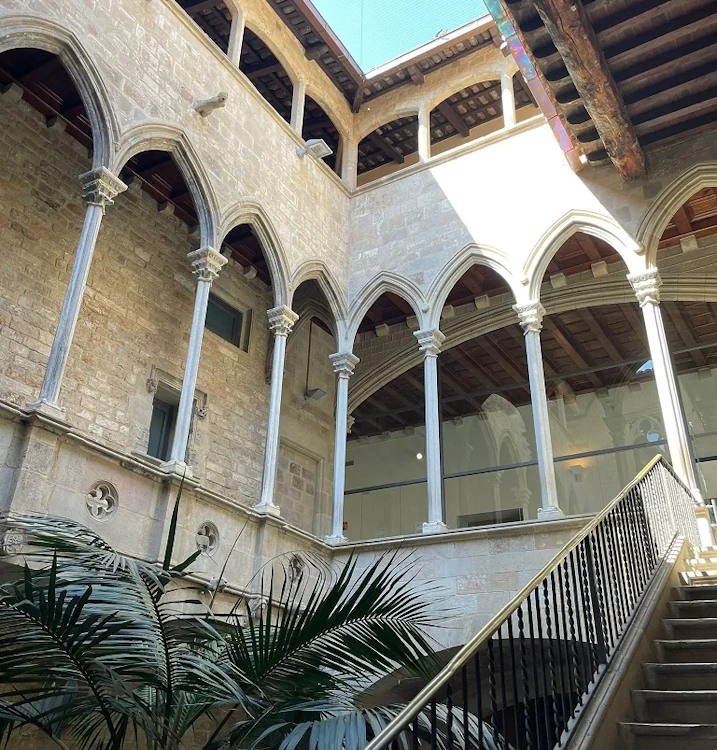
Information about where the Picasso Museum is Picasso Museum - Spain, Barcelona
-
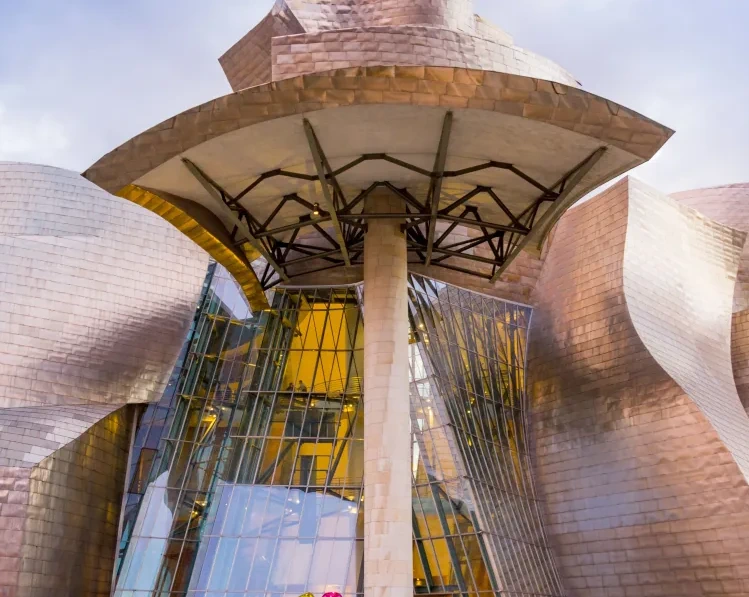
Information about where the Guggenheim Bilbao is Guggenheim Bilbao nerede hakkında bilgi
-
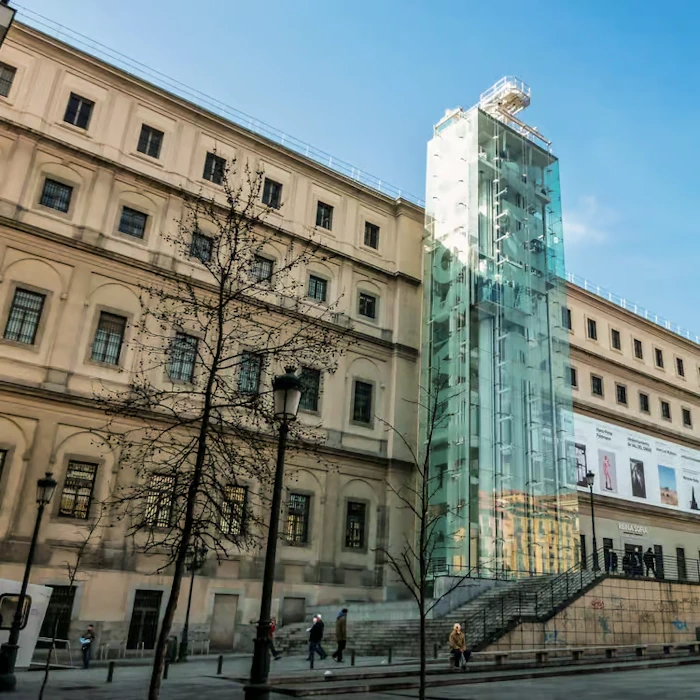
Information about where the Reina Sofia Museum is Reina Sofia Museum - Spain, Madrid
-
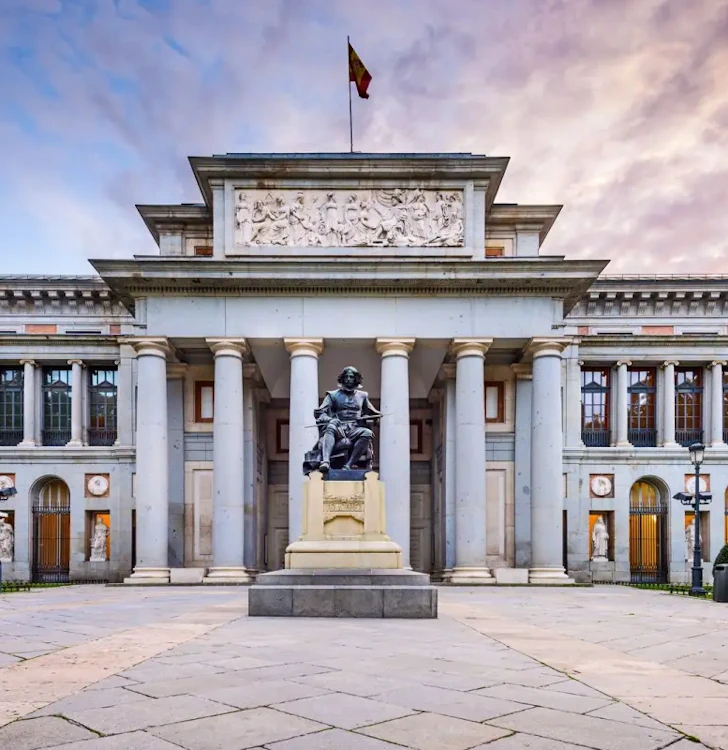
Information about where the Prado Museum is Prado Museum - Spain, Madrid
-
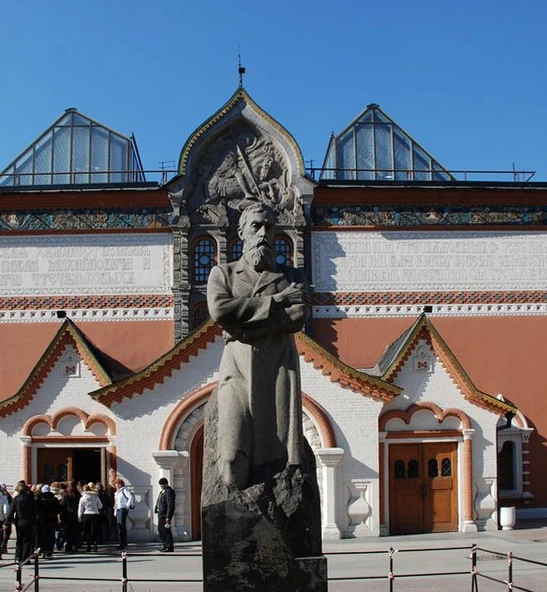
Information about where the Tretyakov Gallery is Tretyakov Gallery - Russia, Moscow
-
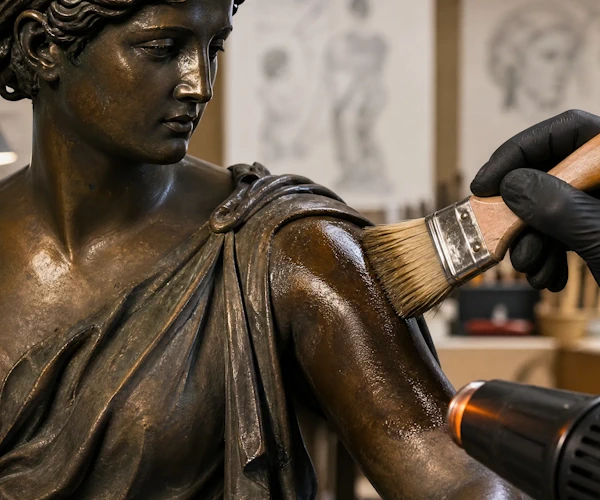
Wax coating process applied to protect and polish sculpture surfaces What Is Waxing
-
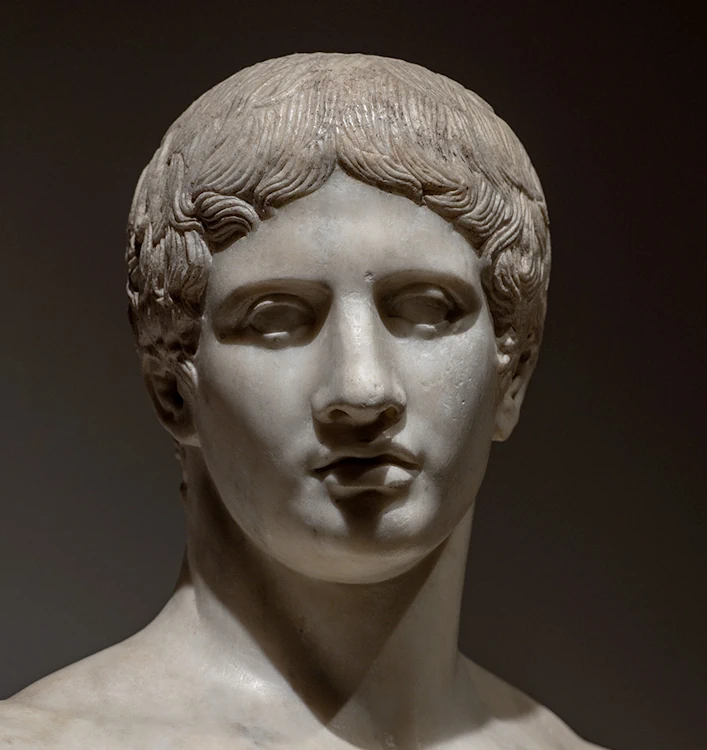
Who is Polykleitos, his life and the sculptures he made Polykleitos - Ancient Greek Sculptor
-
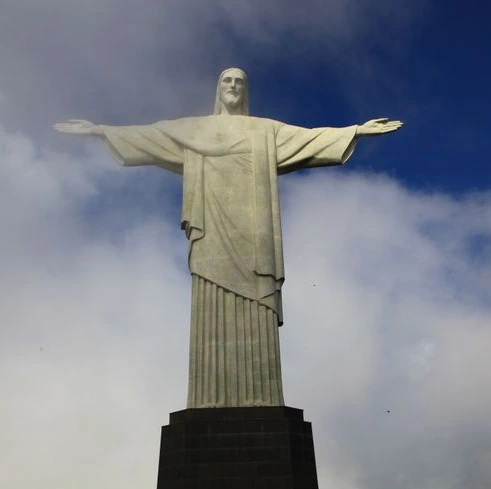
World-famous Christ the Redeemer statue located in Rio de Janeiro Christ the Redeemer Statue - Brazil - Rio de Janeiro
-
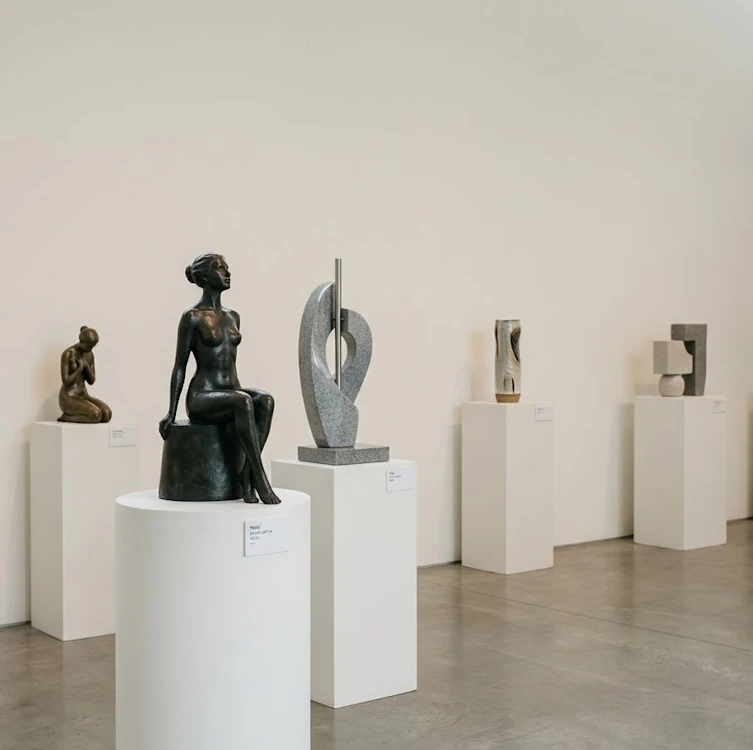
Custom sculptures, original and high-quality, at affordable prices Sculpture for Sale
-
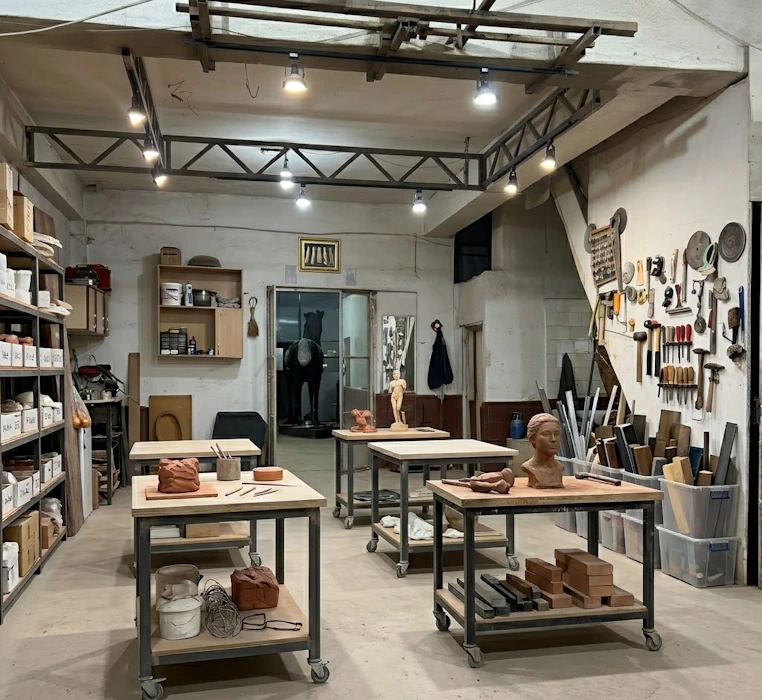
About Our Professional Sculpture Production Studio Sculpture Workshop
-
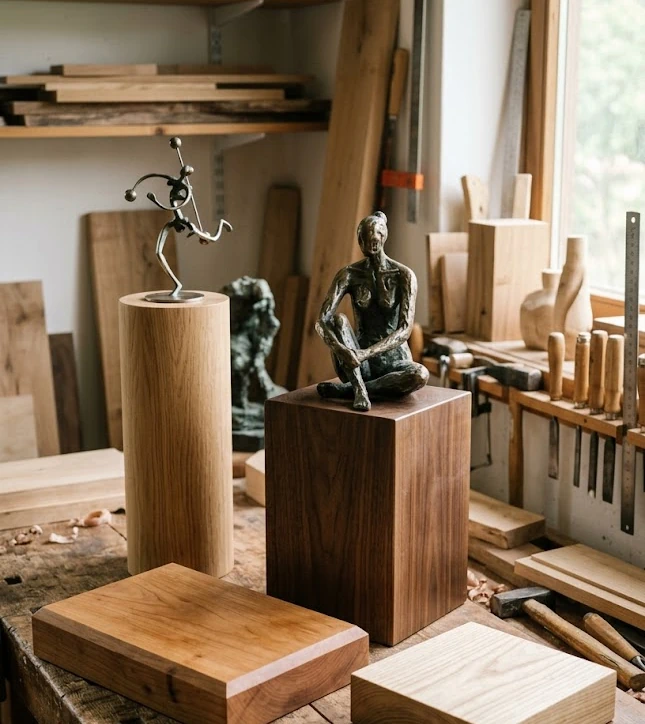
Wooden Sculpture Base: Types, Production and Prices Wooden Bases
-
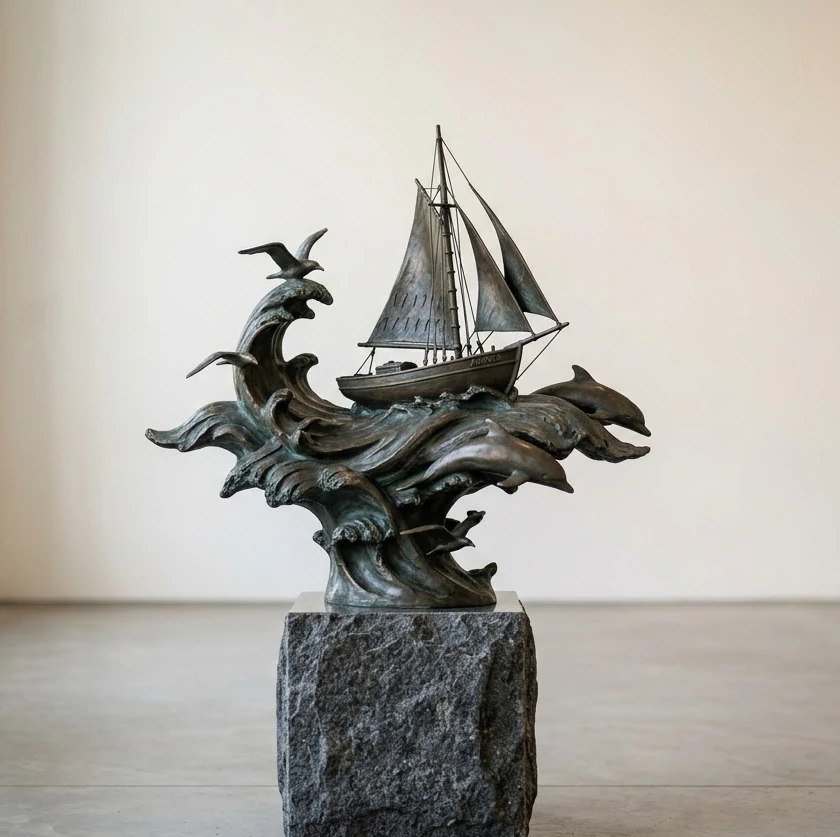
Art term describing marine-themed artworks and sculpture studies What Is Marin?
-
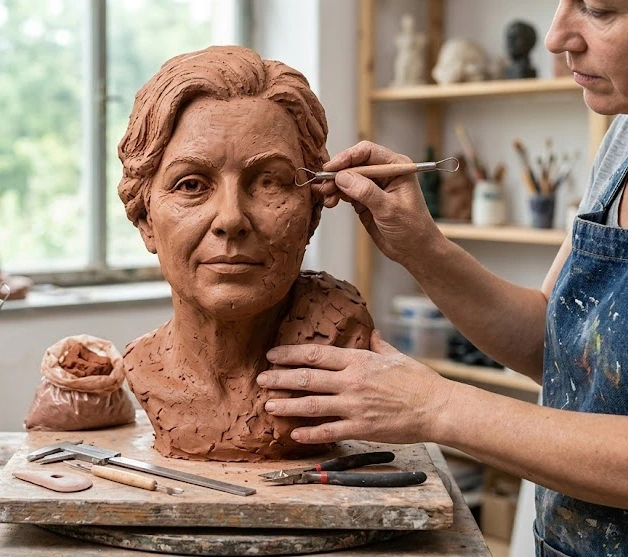
3D sculpture technique shaped by hands and tools for artistic modeling What Is Modelage
-
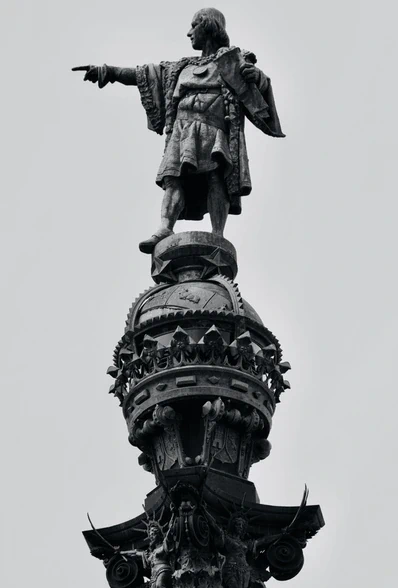
Who is Christopher Columbus, information about where his statue is located Christopher Columbus Monument - Spain Barcelona
-
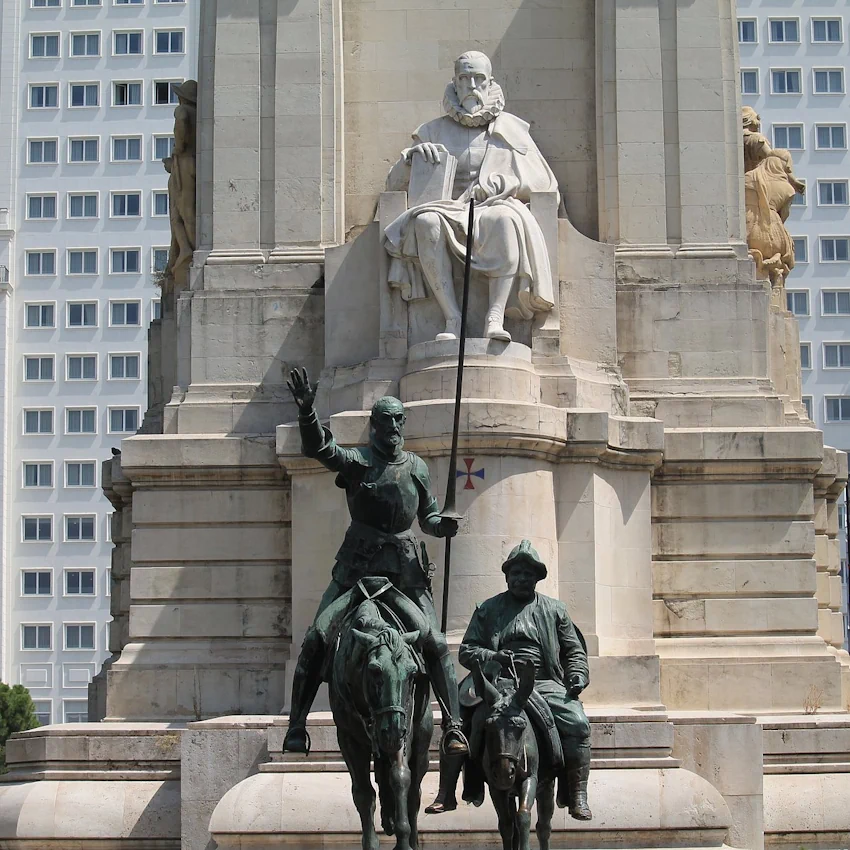
Who is Don Quixote, information about where his statue is located Don Quixote Statue - Spain - Madrid
-
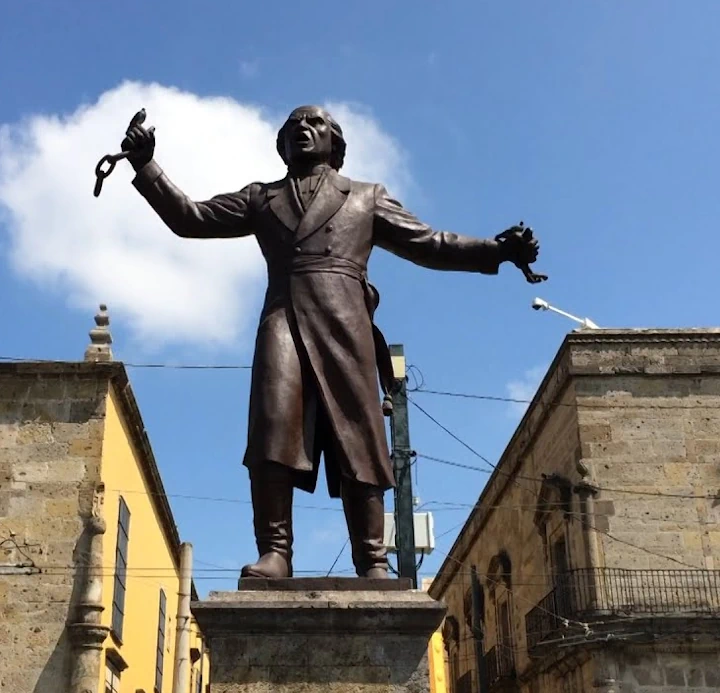
Who is Miguel Hidalgo, where is his monument statue, and statue features Miguel Hidalgo Statue - Mexico Guadalajara
-
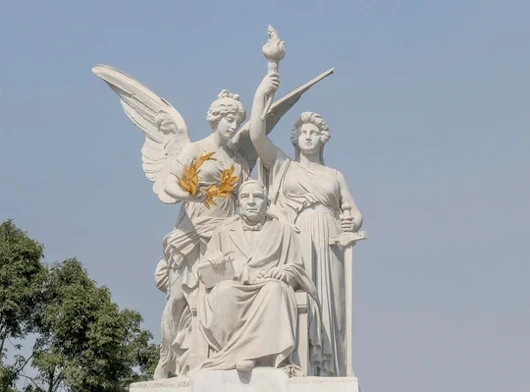
Who is Benito Juarez, where is his monument statue, and statue features Benito Juarez Statue - Mexico Mexico City
-
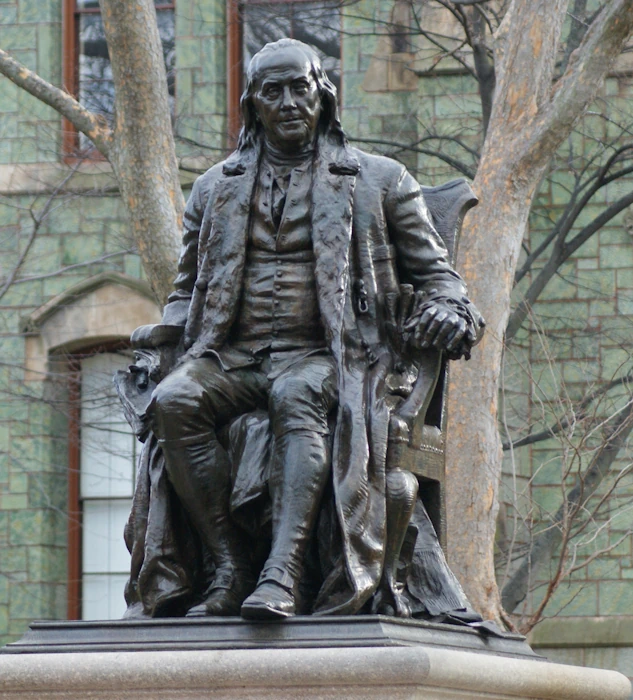
Who is Benjamin Franklin, where is his statue, and what are its features? Benjamin Franklin Statue - Philadelphia, USA
-
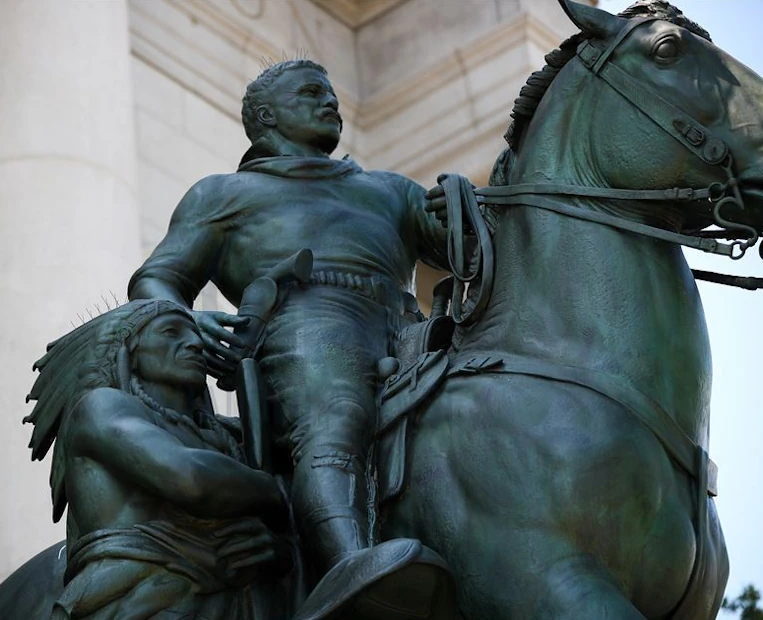
Who is Theodore Roosevelt, where is his statue, and what are its features? Theodore Roosevelt Statue - New York, USA
-
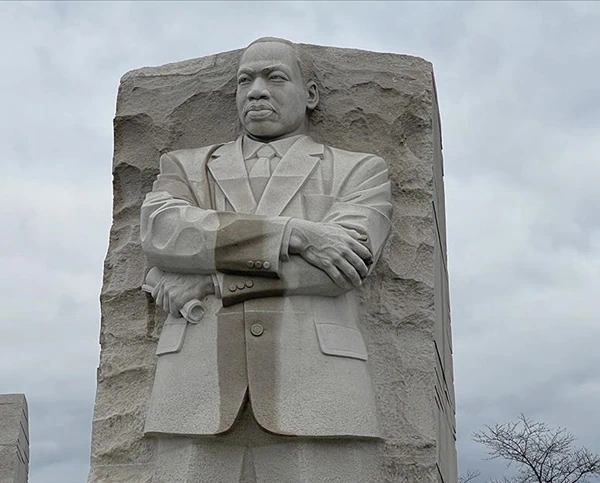
Who is Martin Luther King, where is his statue, and what are its features? Martin Luther King Statue - Washington, USA
-
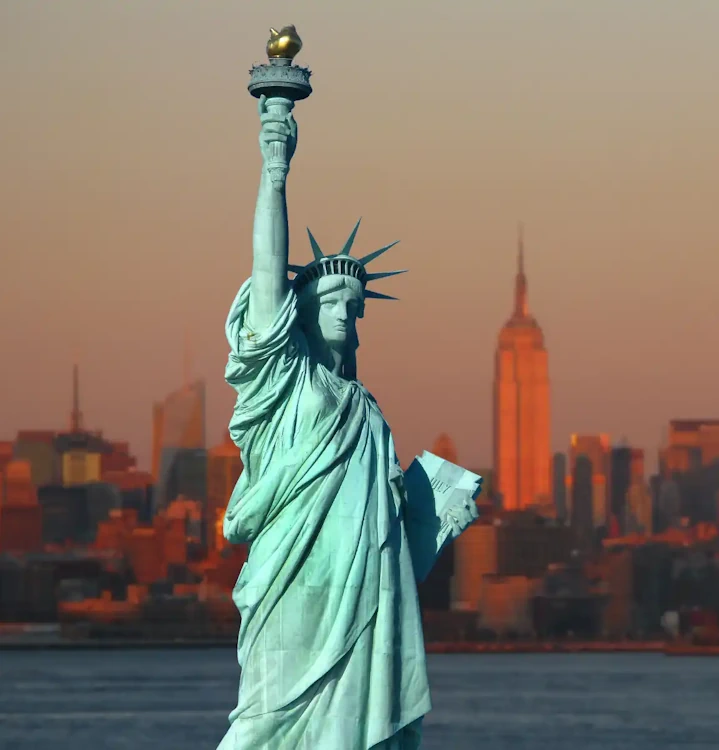
Where is the Statue of Liberty and what are the features of the statue Statue of Liberty - New York, USA
-
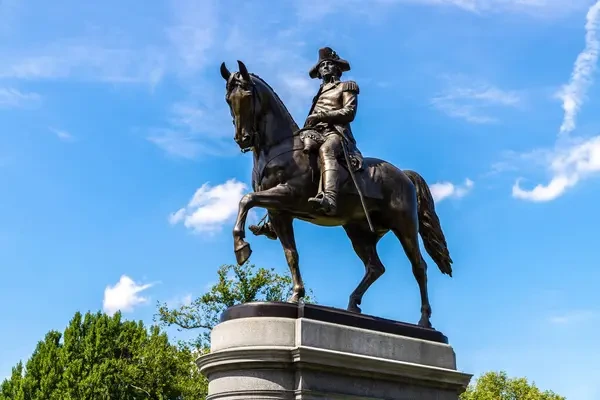
Who is George Washington, where is his statue, and what are its features? George Washington Statue - Washington, USA
-
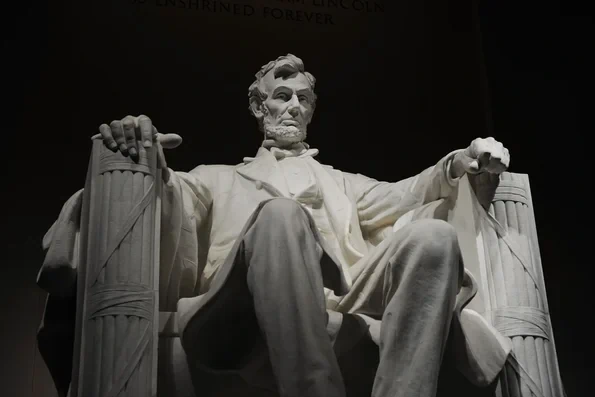
Who is Abraham Lincoln, where is his statue, and what are its features? Abraham Lincoln Statue - Washington, USA
-
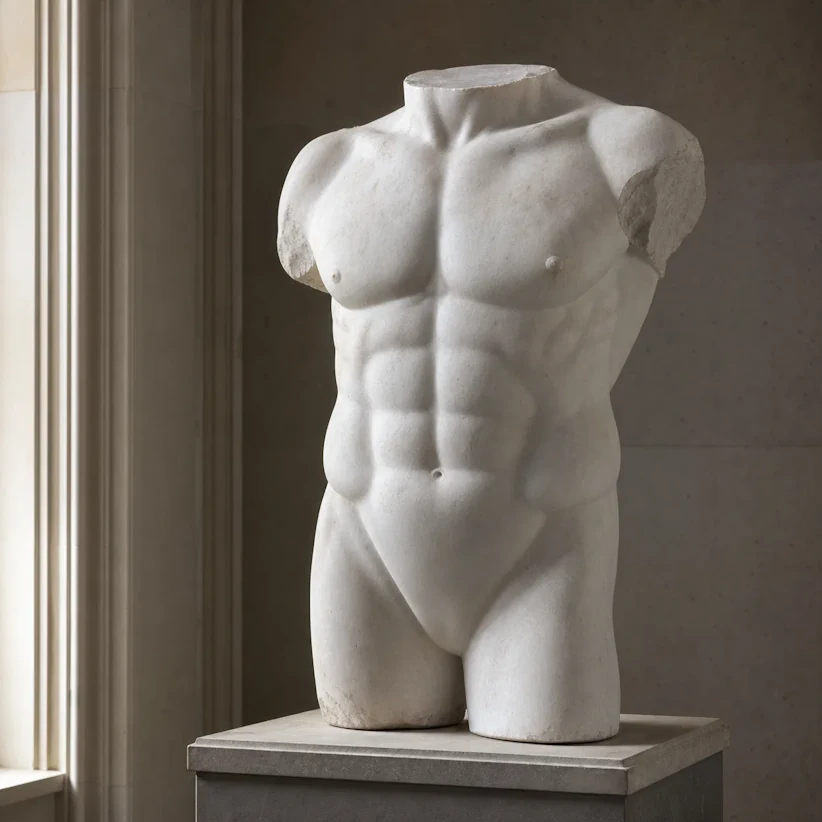
Torso Sculpture: What Is Torso and What Does Tors Mean? What is a Torso?
-

What is engobe, what is it used for, and how is engobe made? What is Engobe?
-
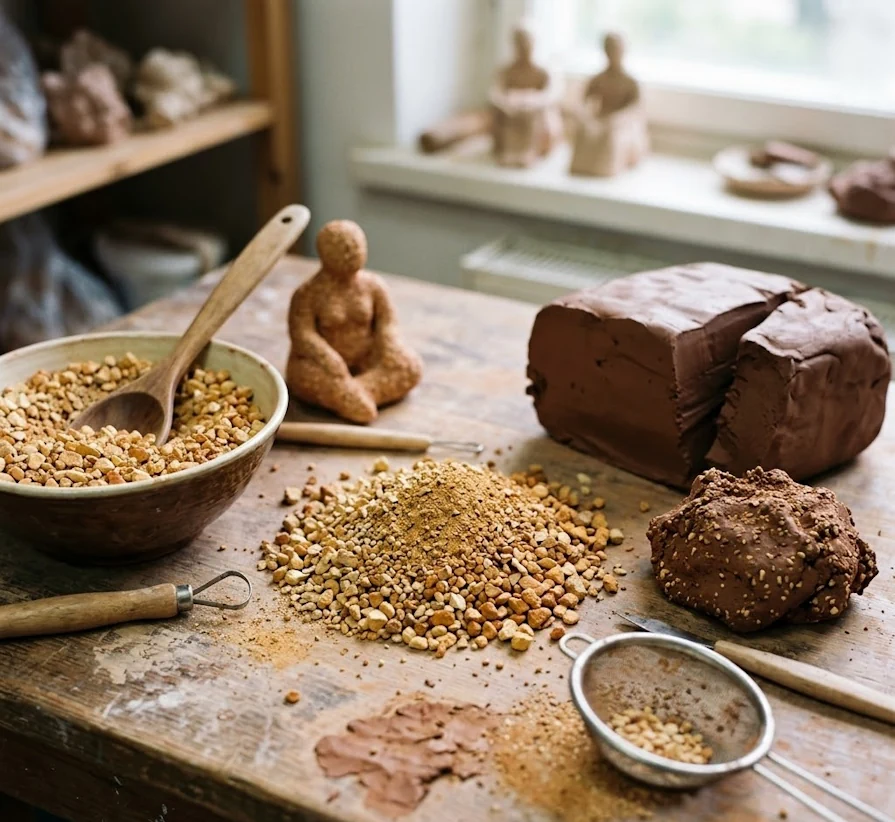
What is chamotte, information about what chamotte mortar is used for What is Chamotte?
-
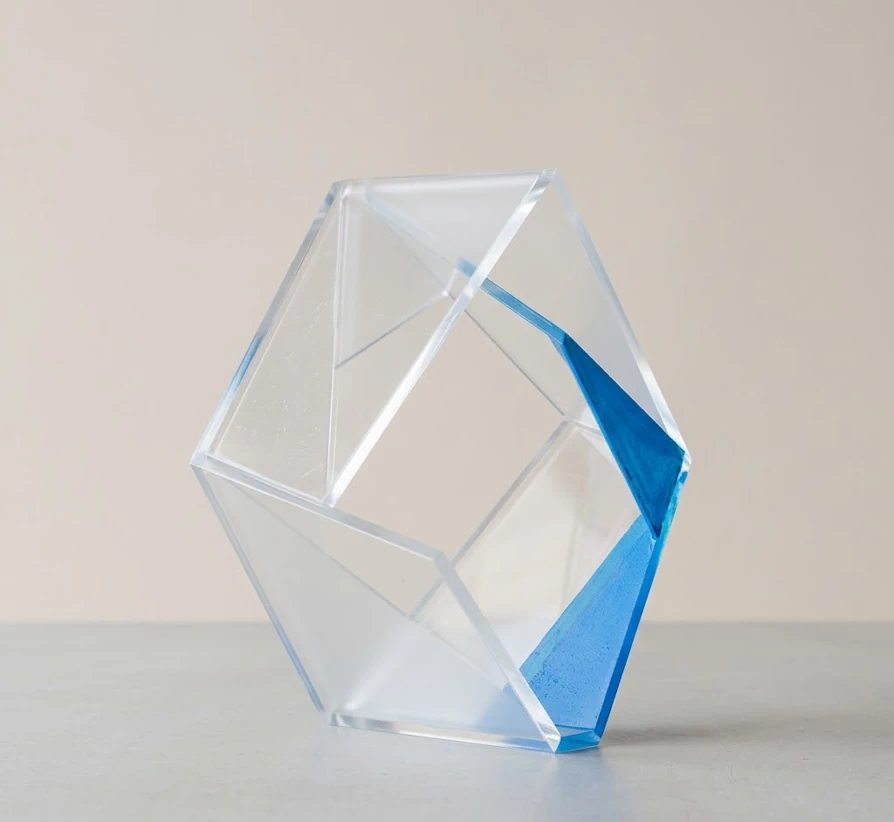
What does acrylic mean, what does it do, and information about plexiglass What is Acrylic?
-
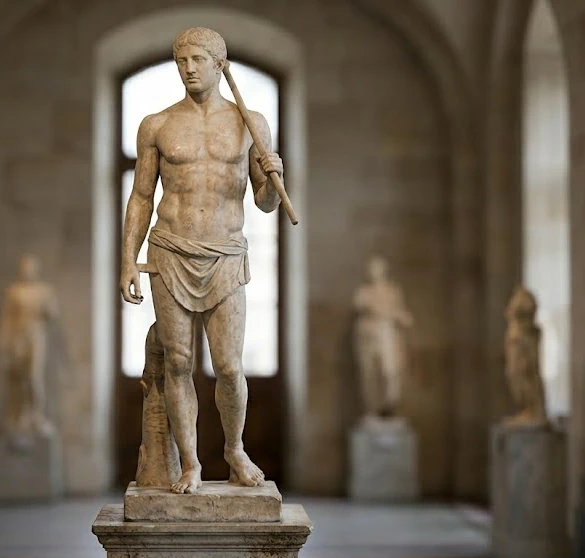
Learn about what contrapposto stance means What is Contrapposto?
-
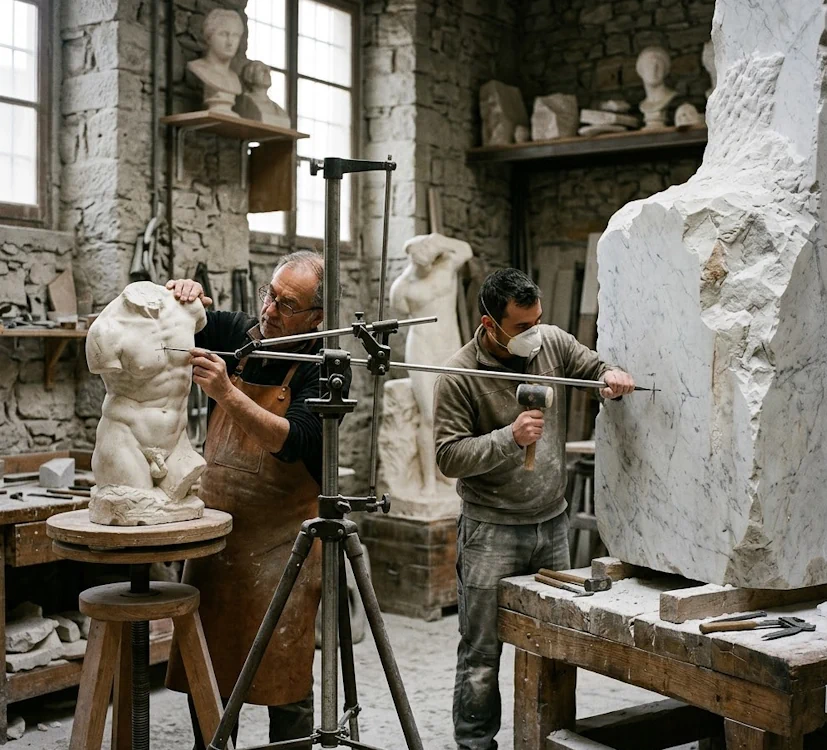
Meaning, functions, and usage of a pointing machine What is a Pointing Machine?
-
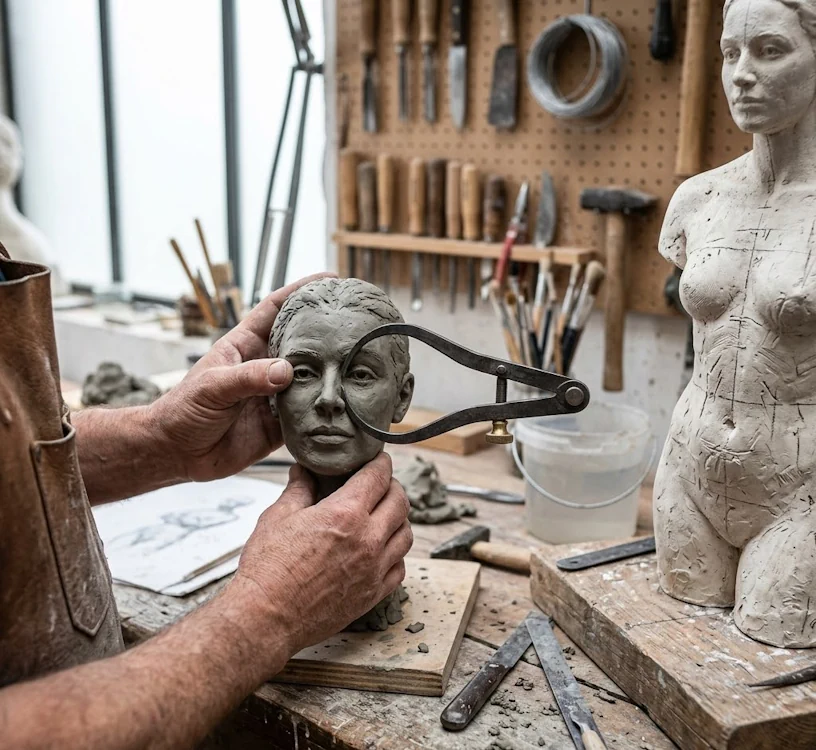
What Is a Caliper? Uses, Types and How to Use It What is a Caliper?
-
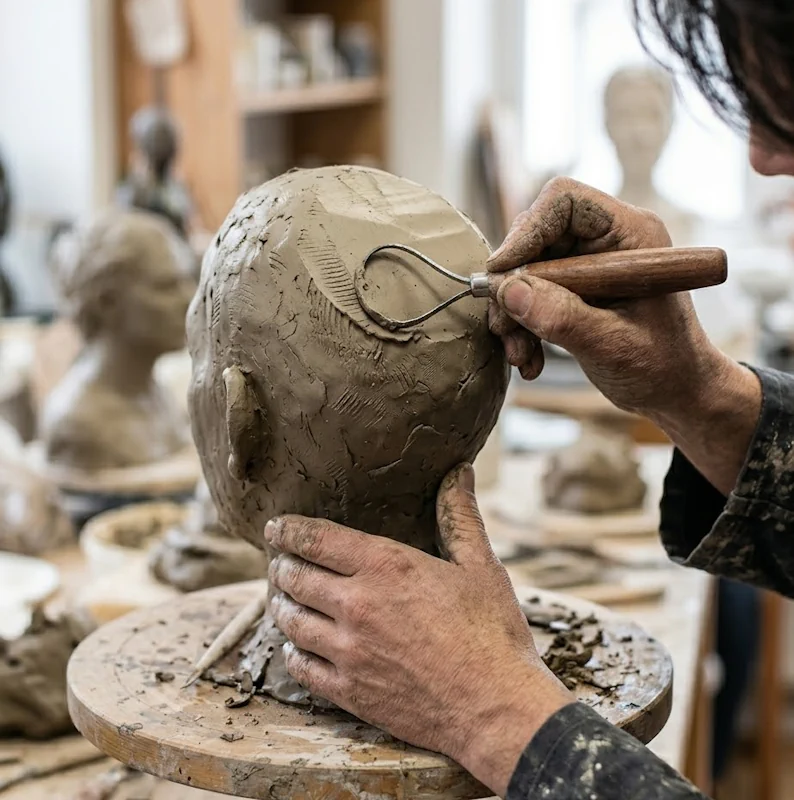
Information about the meaning of a mirette, its functions, and its areas of use What is a Mirette?
-
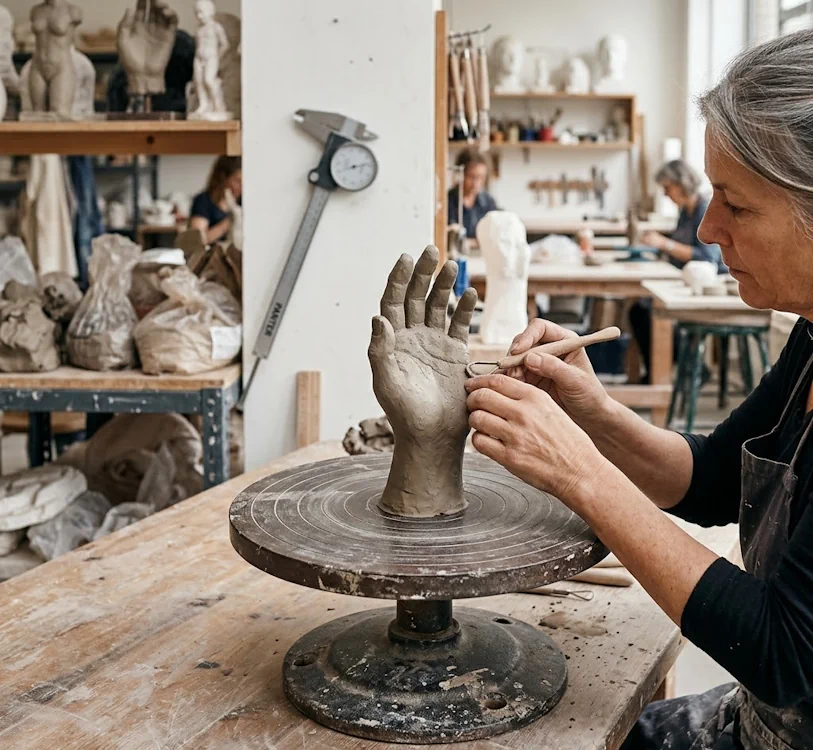
What does Turnet mean, what is it used for, and how do you use it? What is a Banding Wheel?
-
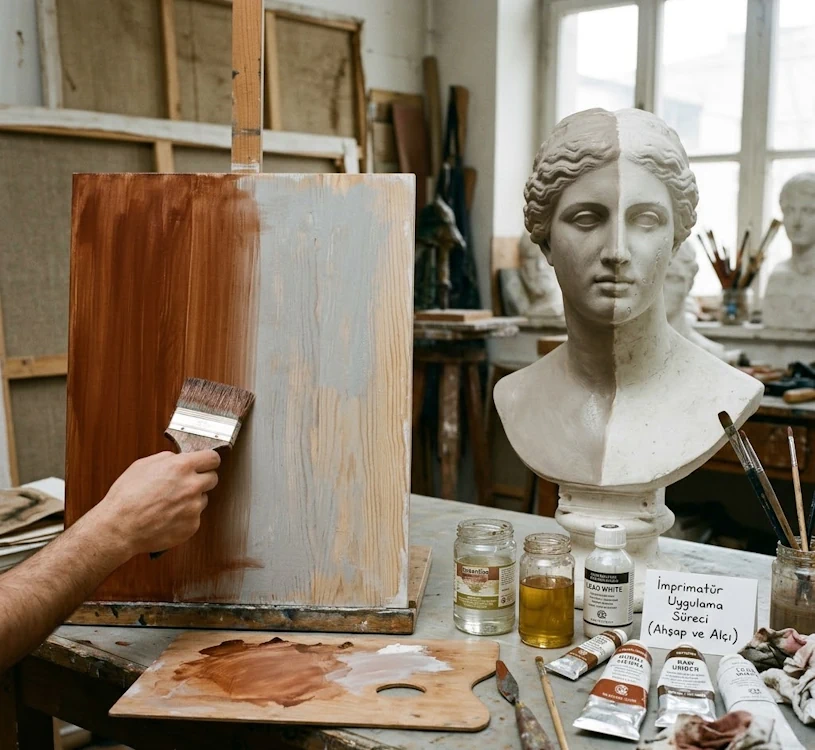
Information about the meaning of imprimatura, its functions, its areas of use What is Imprimatura?
-
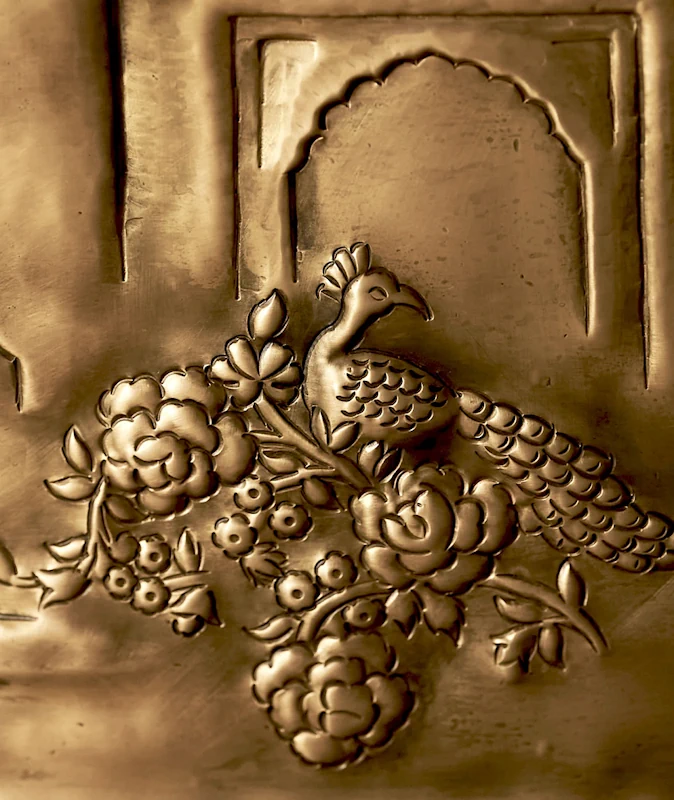
Information about the meaning of repoussé, its functions, and its areas of use What is Repoussé?
-
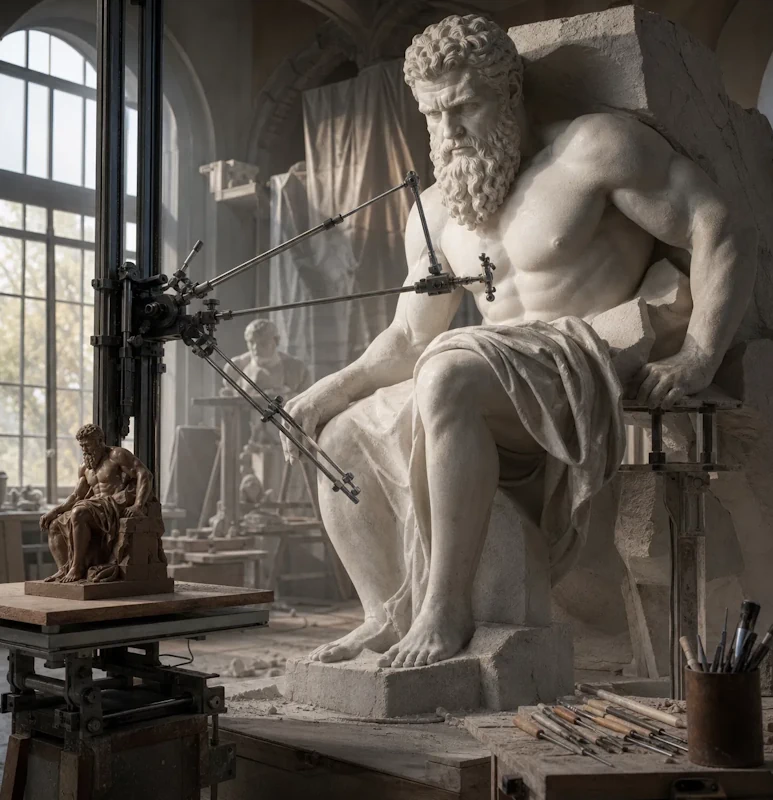
What is Enlargement (Agrandisman) and What Does It Do? What is Enlargement?
-
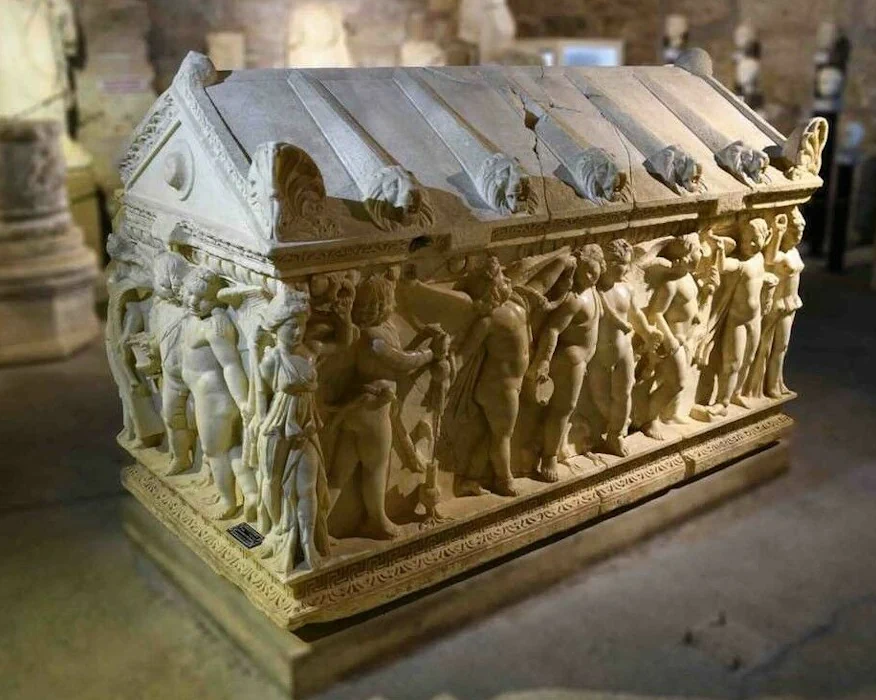
What does Motif mean in visual and sculptural art, and what is it used for What is a Motif?
-
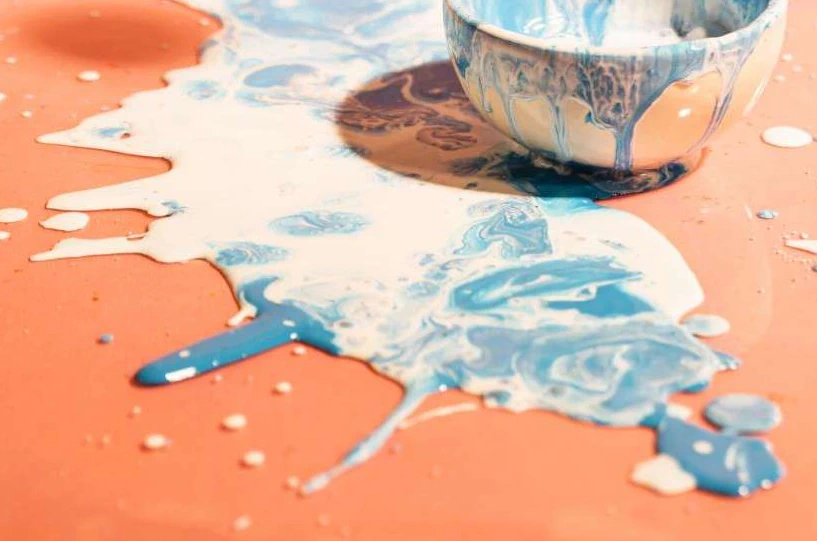
Epoxy: What It Is, What It Does, and Where It Is Used What is Epoxy?
-
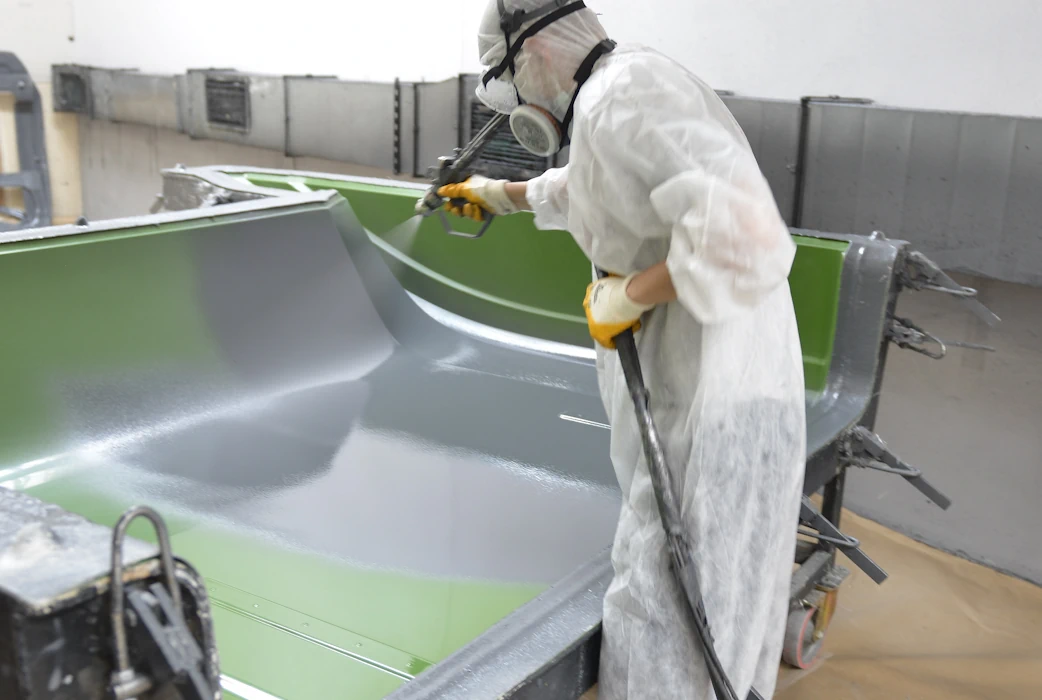
Information about the meaning of gelcoat, its functions, and its areas of use What is Gelcoat?
-
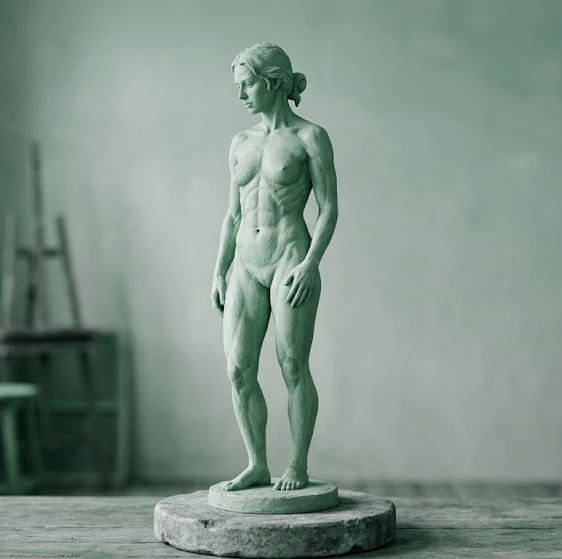
On Anatomical Structure, Posture, and Position in the Art of Sculpture What is Anatomical?
-
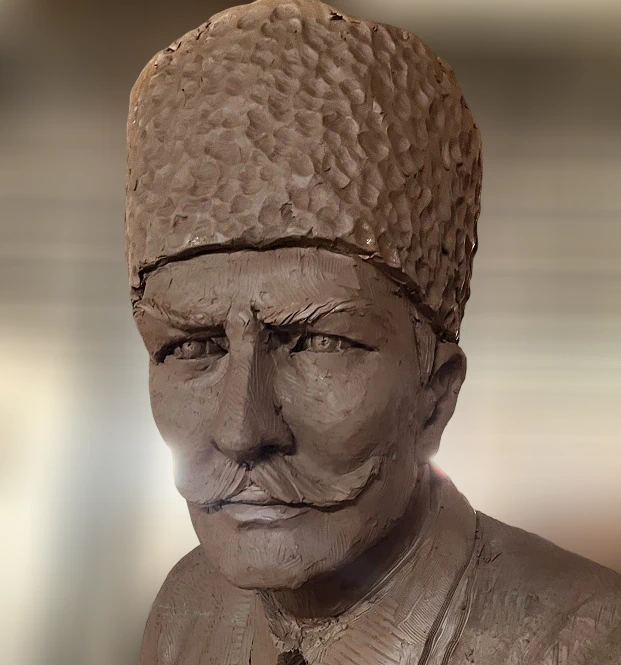
Information about the meaning of a portrait, its functions, and its areas of use What is a Portrait?
-
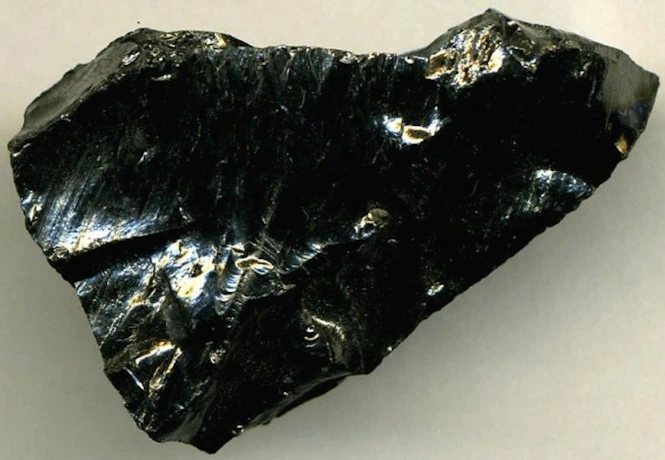
Information about the meaning, definition, and usage areas of Anthracite What is Anthracite?
-
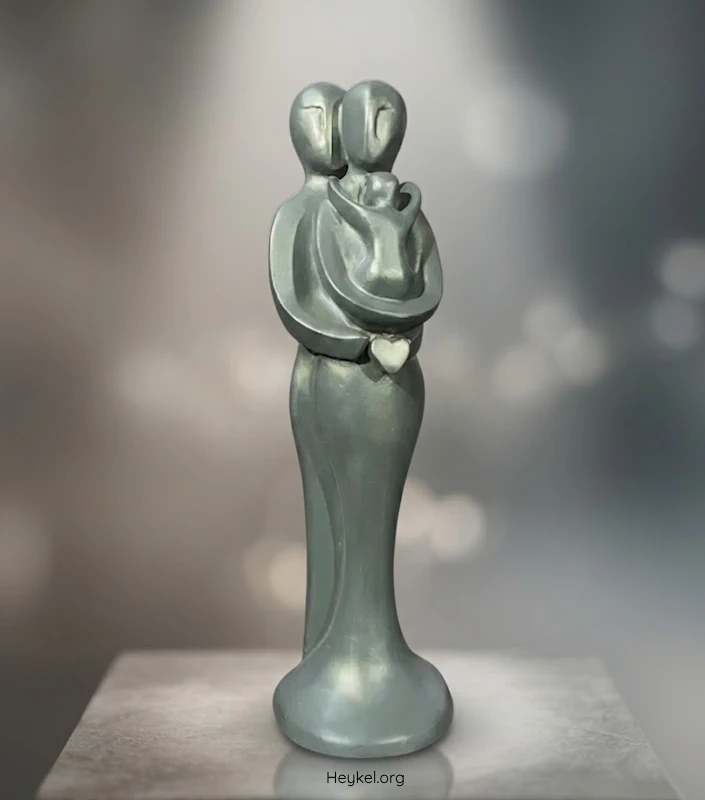
What is abstraction? Abstraction studies in the art of sculpture What is Abstraction?
-

Visual Arts Pictogram Graphic Design and Examples What is a Pictogram?
-
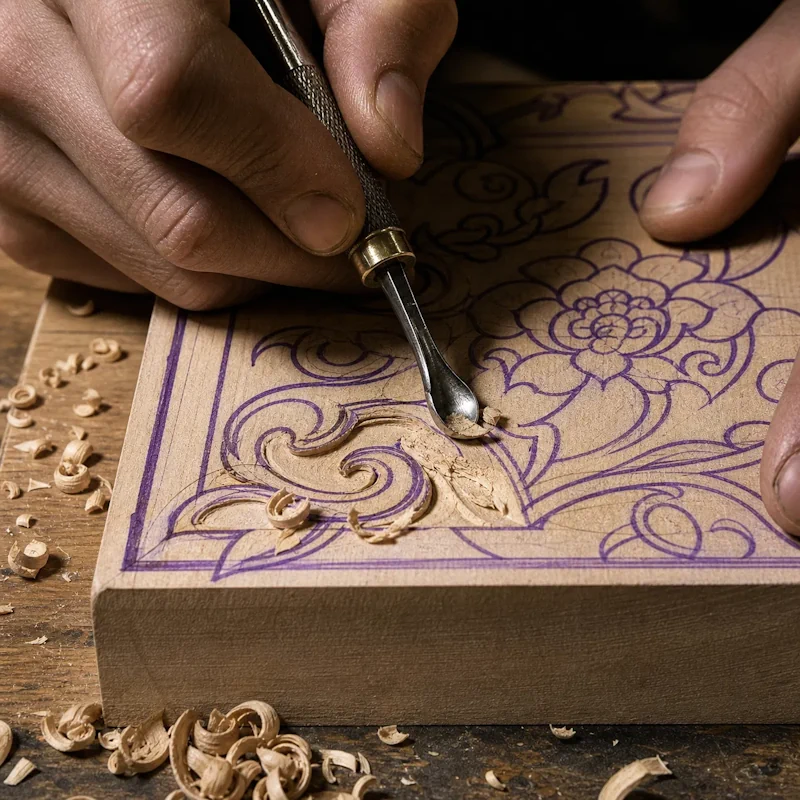
What is Engraving Art and How is it Made? What is Engraving?
-
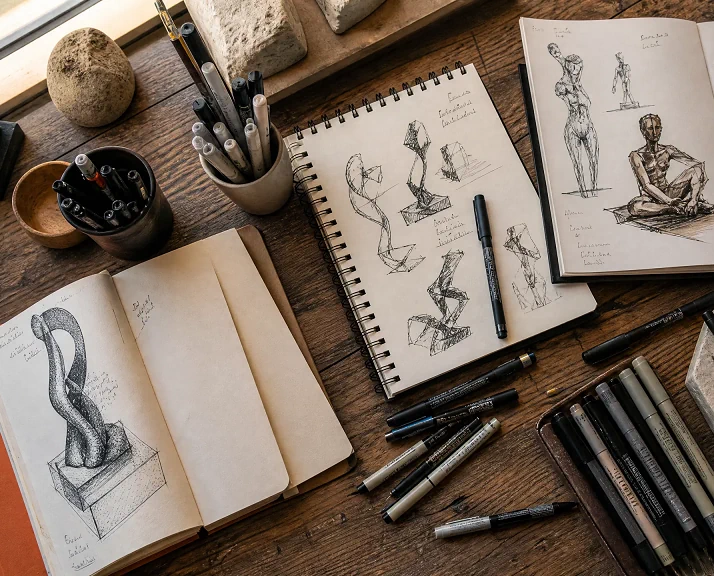
Felt-tip pen: Used for drawing, coloring, and marking What is a Felt-tip Pen?
-
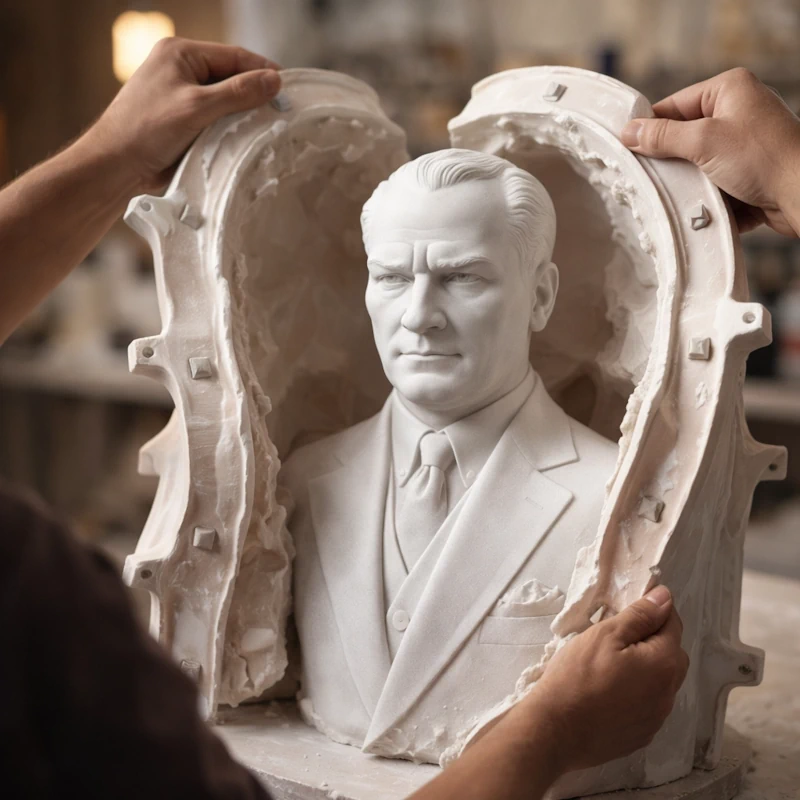
Ex libris: Owner’s bookplate. Prevents loss, marks identity, and art property What is an Ex Libris?
-
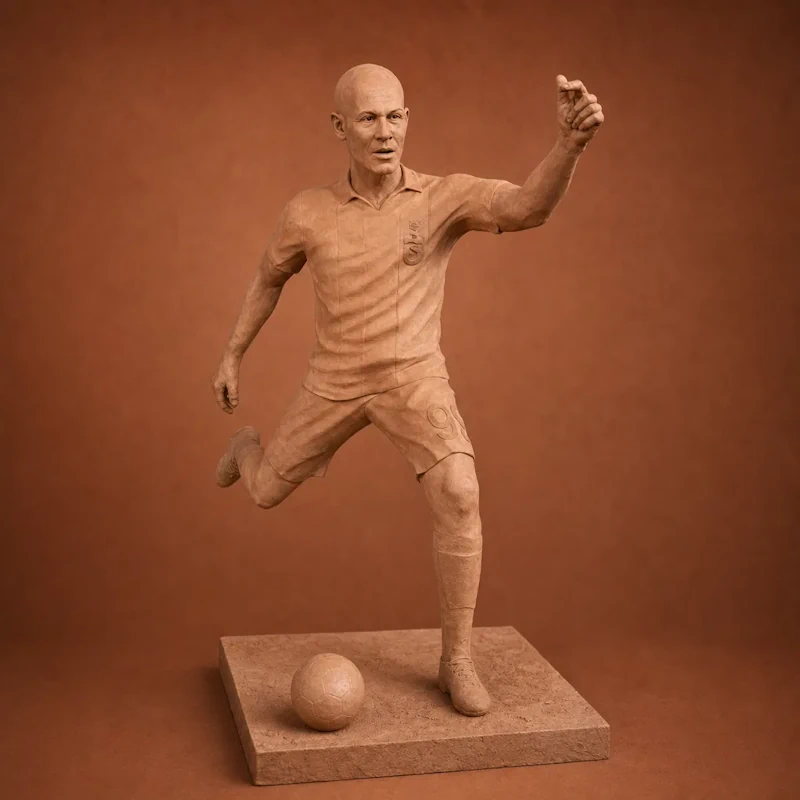
Information about the meaning of asymmetry, its functions, and its areas of use What is Asymmetry?
-
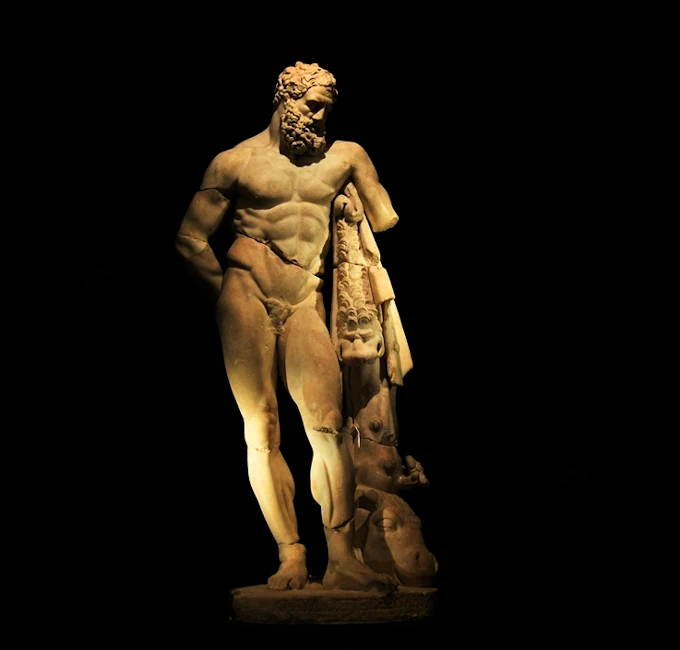
About the Origin and Semantic History of the Word Sculpture Sculpture Etymology
-
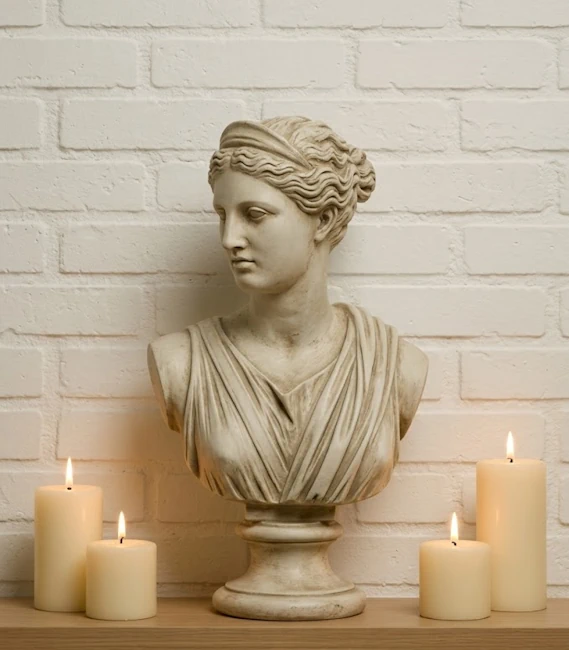
What is the Synonym of the Word Sculpture? Synonym of Sculpture
-
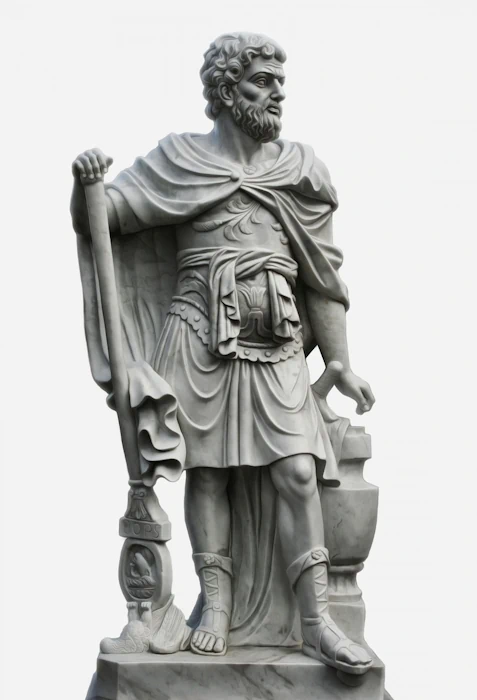
Characteristics of Ancient Rome Sculpture Art Sculpture of Rome
-
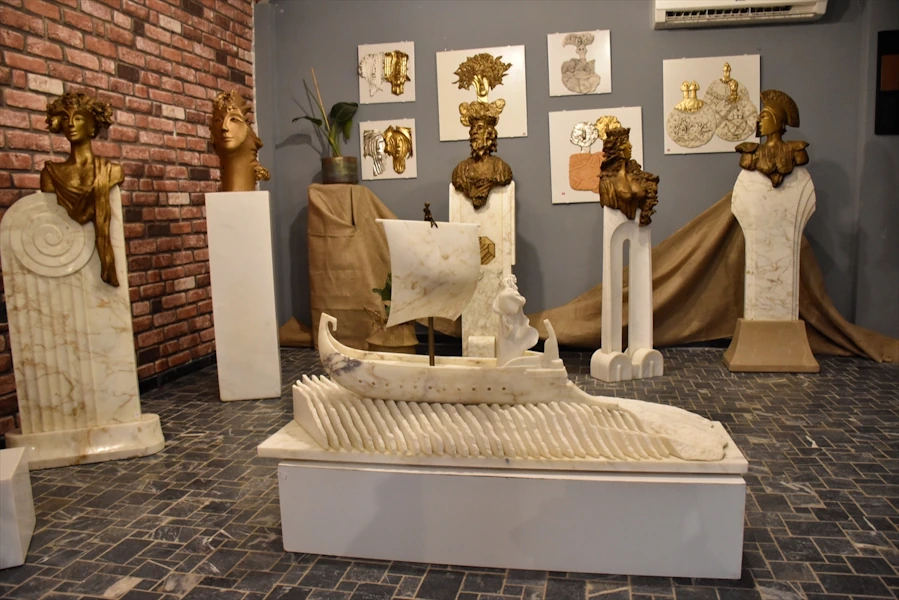
Outdoor Sculpture Exhibitions and Exhibition Types Sculpture Exhibition
-
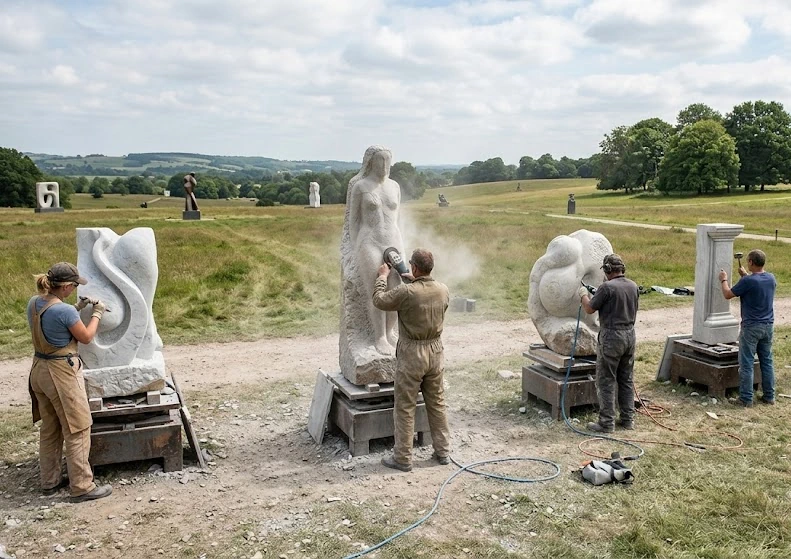
Stone or Wood Sculpture Symposium Tas yada Ahsap Heykel Sempozyumu
-
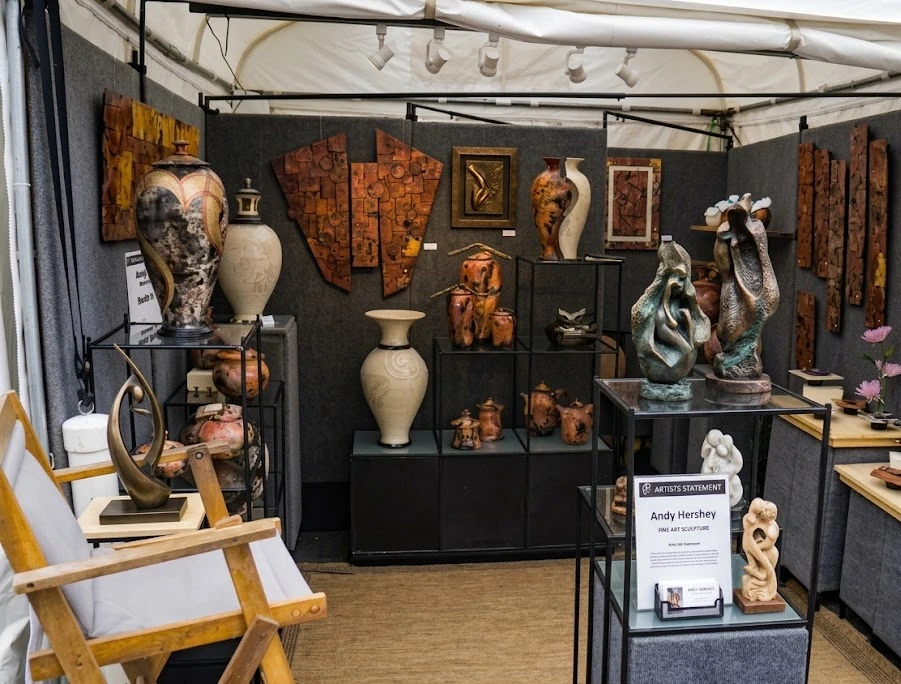
About Sculpture Display and Production Stands Sculpture Stand
Sculpture Product Categories
World Famous Arts FAQ
The world's 5 largest statues ranked by height are as follows: The Statue of Unity in India stands first at 182 meters. The Spring Temple Buddha in China ranks second at 128 meters. The Ushiku Daibutsu in Japan comes third at 120 meters. The Laykyun Sekkya in Myanmar ranks fourth at 116 meters. The Statue of Belief in India rounds out the fifth position at 106 meters. These works have become symbols of their respective countries through their architectural, cultural, and symbolic significance.
The 5 countries that stand out in terms of sculptural richness worldwide are as follows: Italy ranks unquestionably first, with thousands of ancient and Renaissance-era works concentrated especially in Rome and Florence. Greece comes second with its unique sculptural heritage that has survived from antiquity to the present day. China ranks third thanks to its vast collections spanning both the ancient period and modern public sculpture. France holds fourth place with its world-class museums, most notably the Louvre, and its richly adorned public spaces. The United States rounds out the fifth position with its significant investments in public sculpture and contemporary art institutions. All of these countries have embraced sculpture as an inseparable part of their cultural identity.
Sculpture museums apply comprehensive conservation processes in which scientific and technical methods are used together to ensure the longevity of works. Pieces are displayed in specially controlled environments where humidity, temperature, and light are carefully regulated, and they are periodically examined by expert restorers. Damaged or worn sections are repaired using techniques that closely match the original materials, while digital documentation methods are used to maintain three-dimensional records of each work. This ensures their safe transmission to future generations.
Creating a sculpture is a multi-stage process that spans from the birth of an idea to the final touches. The sculptor first designs the composition through sketches and small-scale models, then moves on to material selection. Materials such as stone, wood, metal, or clay are chosen based on both aesthetic and technical criteria. The form is then shaped using techniques such as carving, modeling, casting, or assembling. In the final stage, surface treatments and polishing are applied to complete the work. This entire process can sometimes take years.
Sculpture is one of the most powerful visual forms of expression that shapes the collective memory of societies. Sculptures in public spaces contribute to the reinforcement of social identity by giving tangible form to historical events, national heroes, and shared values. Contemporary sculptural works can also serve the function of social criticism and raising awareness. Collections in museums, meanwhile, create a universal language by building bridges between different cultures for mutual understanding. The transformative power of art on society manifests itself in a particularly striking way in the field of sculpture.
Digital technologies have added a new dimension to sculpture in terms of both production and presentation. Thanks to 3D printers, sculptors can now bring to life complex forms that were previously impossible to achieve. Computer-aided design programs have made the creative process more flexible and experimental. Virtual reality and augmented reality technologies, meanwhile, allow viewers to experience works without physical limitations. All these developments are transforming the traditional understanding of sculpture while offering artists a broader universe of expression.