What Is Modelage
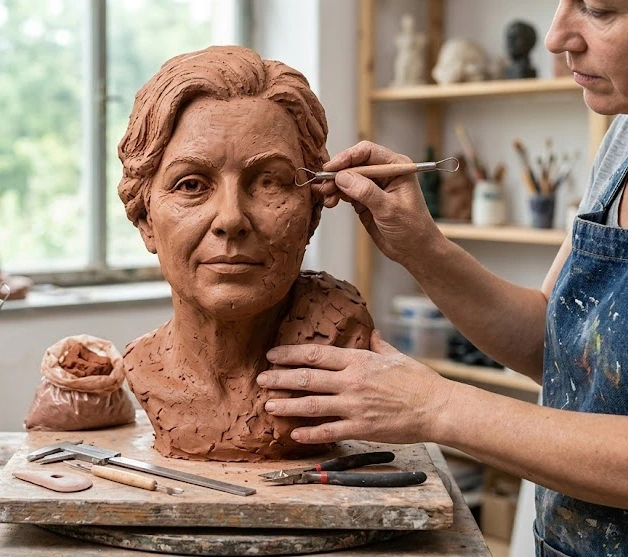
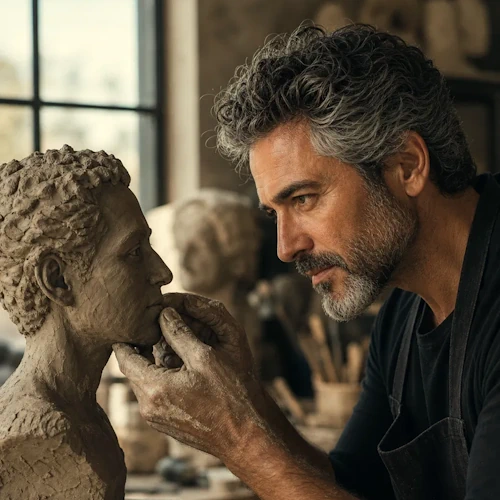
Modelage is a deep-rooted sculpture-making technique in which the artist shapes soft materials using hands and specialized tools to create three-dimensional forms. The answer to the question what is modelage goes far beyond a simple technical definition; this technique is also one of the most organic forms of production through which the artist transfers thought, emotion, and creative vision directly into the material. In this method, where materials such as clay, plaster, wax, and polymer clay can be worked by hand, the artist personally controls every stage of the form, shaping the spirit of the work. Among sculpture making techniques, modelage remains a universal discipline preferred by both beginner artists and experienced masters alike.
Historical Development of the Modelage Technique
The roots of the modelage technique date back to the earliest periods of human history. Since the Paleolithic era, humans have produced figures and objects by shaping clay by hand. In ancient Egyptian, Mesopotamian, and Greek civilizations, modelage was used extensively for both religious and artistic purposes. During the Renaissance, modelage gained an indispensable place as the drafting stage of large-scale sculpture projects. Masters such as Michelangelo and Donatello prepared small-scale drafts known as maquettes using the clay modelage method before transferring their final works into stone or bronze. Today, modelage continues to exist both in traditional studio practice and as a fundamental reference point in the world of digital sculpture.
Materials Used in Modelage
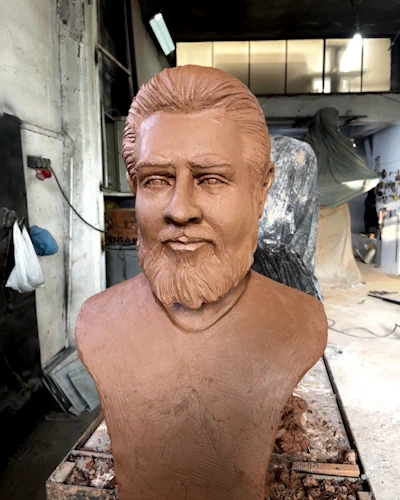
The choice of material used in the modelage technique is determined by the purpose, size, and final production method of the work. Clay is the most fundamental and most preferred material in the world of modelage; thanks to its natural structure, it takes shape easily, can be corrected, and can be reshaped. Industrial clay is a harder alternative preferred in large-scale projects and monument sculpture works. Polymer clay is an oven-hardening modelage material ideal for small-scale and detail-focused works. Plaster modelage is a frequently used method in mold preparation for casting and surface texture studies. Wax is used as a modelage material especially in jewelry making and precision casting projects. Each material has its own unique advantages and limitations, and the correct choice of material directly affects the quality of the work.
Modelage Tools and Their Use
The most fundamental tool of the artist during the modelage process is their own hands. However, various modelage tools are used for detail work, surface smoothing, and fine carving operations. Wooden and plastic spatulas are used to smooth the surface of the material and shape broad forms. Wire loop tools are preferred for scraping away excess material and creating internal volume. Stylus tools and sticks make it much easier to work fine details and textures into the surface. Texture molds and stamps allow repeating surface patterns to be applied quickly and evenly. The correct and appropriate use of these tools in the sculpture studio directly affects both the artist's production speed and the level of detail quality in the finished work.
How the Modelage Process Works
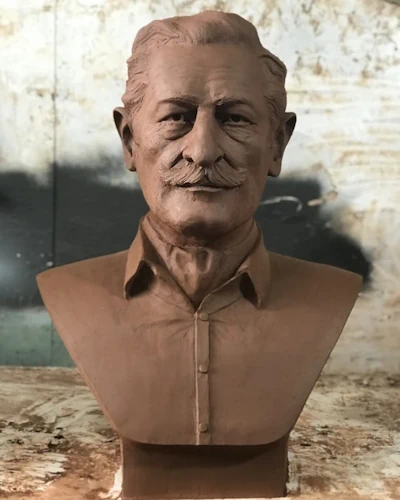
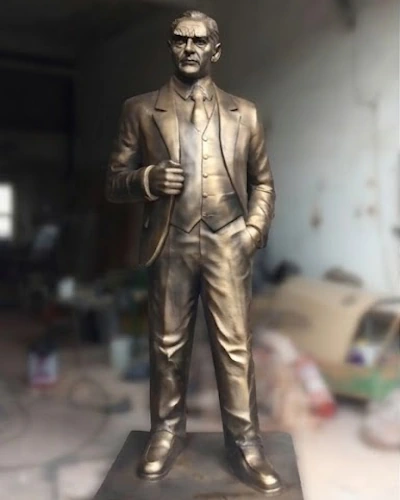
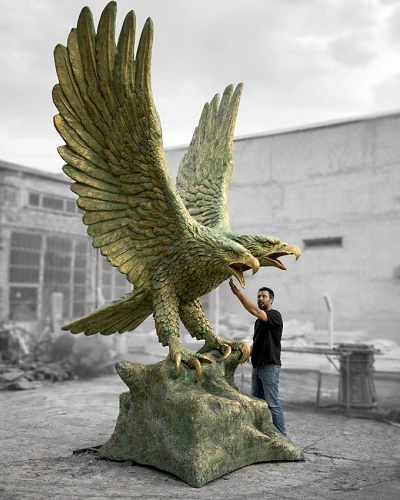
The modelage process generally consists of systematic stages that follow one another in sequence. In the first stage, the internal skeleton known as the armature is prepared, establishing the load-bearing structure of the work. Large pieces of clay are then added onto the armature to create the general form and volume. At this stage, the artist determines the overall silhouette and proportional balance of the work. In the middle stage, the surface is detailed; elements such as muscles, clothing, hair texture, and facial expression are meticulously rendered. In the final stage, the modelage process is concluded with surface finishing, texture work, and the completion of fine details. The completed clay model is then transferred to a permanent material such as bronze, fiberglass, or polyester through the casting method.
Modelage and Figurative Sculpture
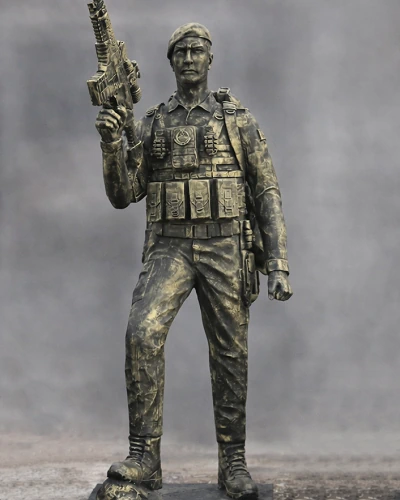
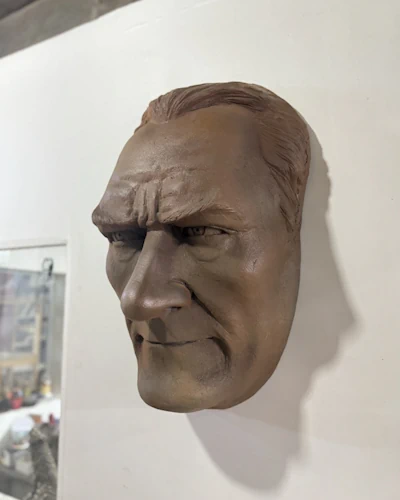
The modelage technique plays a particularly decisive role in the field of figurative sculpture. The production of human and animal figures with anatomical accuracy is made possible thanks to the flexibility and control that the modelage technique offers. The artist achieves the perfect balance by repeatedly correcting muscle tension, joint angles, and body proportions in the clay. The use of live models or reference photographs in figurative sculpture works is among the fundamental inputs of the modelage process. The ability to transfer the nuances of facial expressions, finger movements, and clothing folds into the material is only possible through the direct and organic production approach that the modelage technique provides.
Learning and Practicing Modelage
Modelage is an indispensable part of basic sculpture education and appeals to artists of every level. Even works created with simple forms at the beginner level develop eye and hand coordination and strengthen three-dimensional thinking skills. Artists who receive modelage training gradually come to understand the behavior of materials, armature design, and casting processes, taking their first steps toward professional sculpture production. Studio work, video tutorials, and one-on-one master-apprentice relationships are among the most effective methods in learning modelage. While this deep-rooted discipline of art requires patience, observation, and continuous practice, it offers the artist a new freedom of expression with every work created.
Date Added: