

Glossary of Sculpture Art Terms, Word Meanings
In this comprehensive guide prepared for those who want to know the intricacies of sculpture art and master the terminology of this art branch, you can find all the answers you are looking for. Our dictionary, covering all terms in the world of sculpture, is an indispensable resource for both students and professionals. In addition to basic concepts such as patina, relief, bust, and torso, you can access the simplest definitions of aesthetic values here. Thanks to this dictionary, which extends from the dusty pages of art history to today's contemporary forms, you will learn every concept in the world of sculpture in detail and have the chance to examine works of art with a much more conscious eye. Our page Sculpture Art Dictionary has a total of 91 records. Last Updated:
Glossary of Sculpture Art Terms, Word Meanings
-
Principle of arranging elements in balance and harmony in sculpture and art -

Realistic sculpture and art approach based on human or animal forms What Is Figurative
-

Sculpture works adorning the historical and modern public spaces of Ankara Ankara Sculpture
-
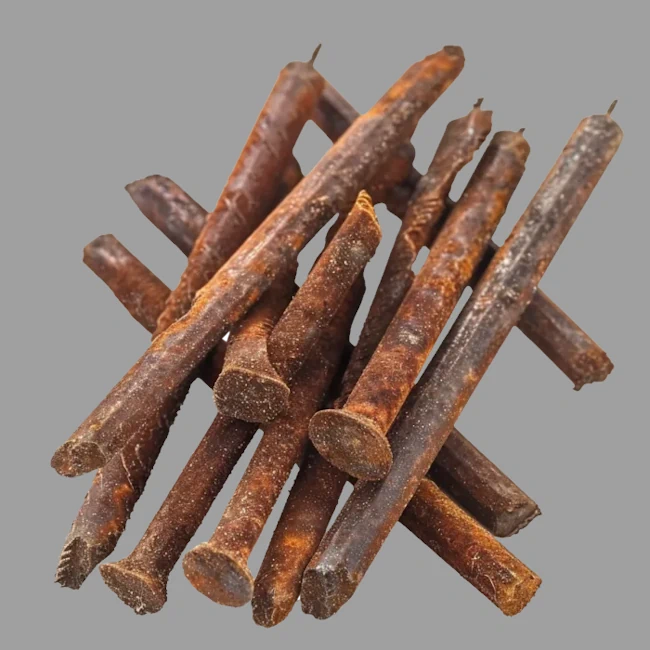
Natural color change process on metal sculpture surfaces caused by oxygen What Is Oxidation?
-
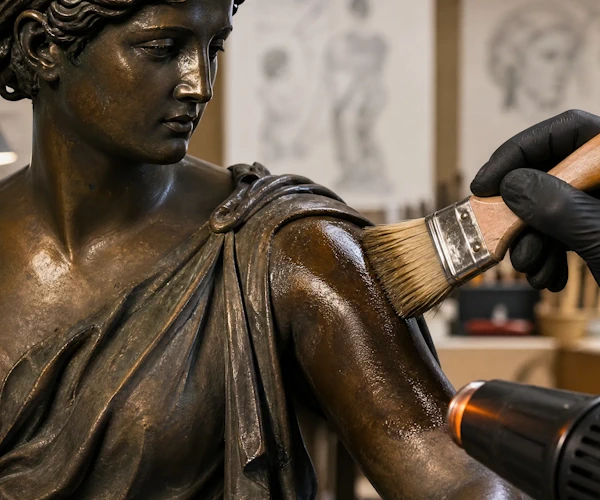
Wax coating process applied to protect and polish sculpture surfaces What Is Waxing
-
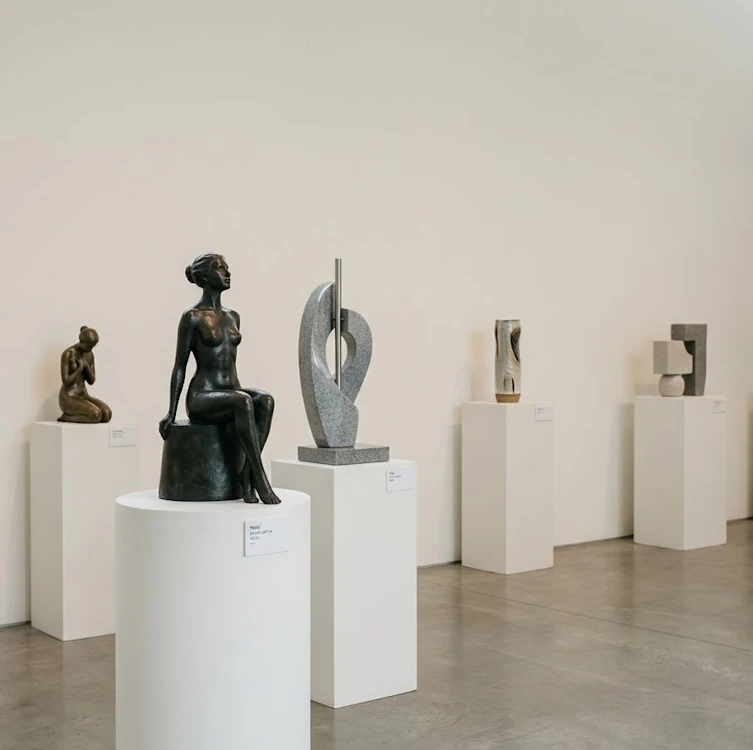
Custom sculptures, original and high-quality, at affordable prices Sculpture for Sale
-
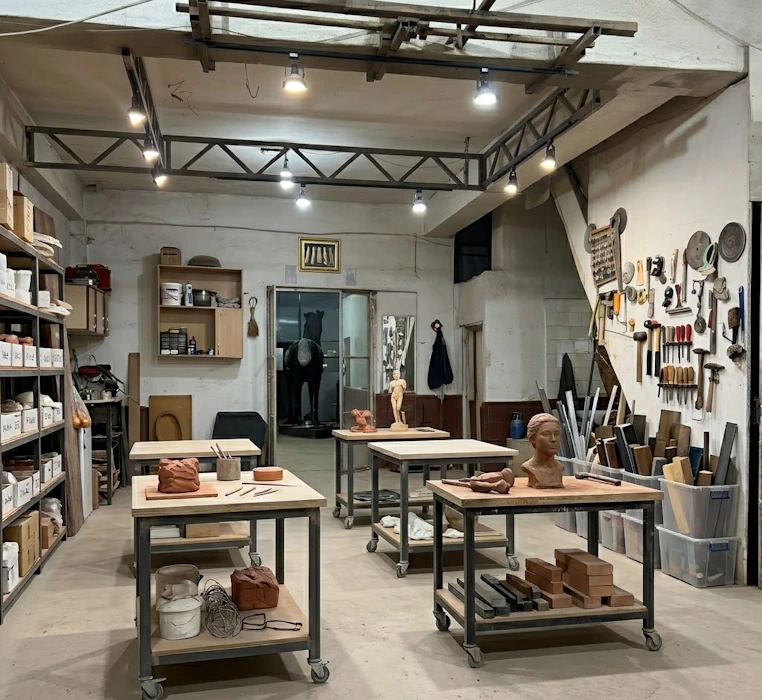
About Our Professional Sculpture Production Studio Sculpture Workshop
-

Wooden Sculpture Base: Types, Production and Prices Wooden Bases
-
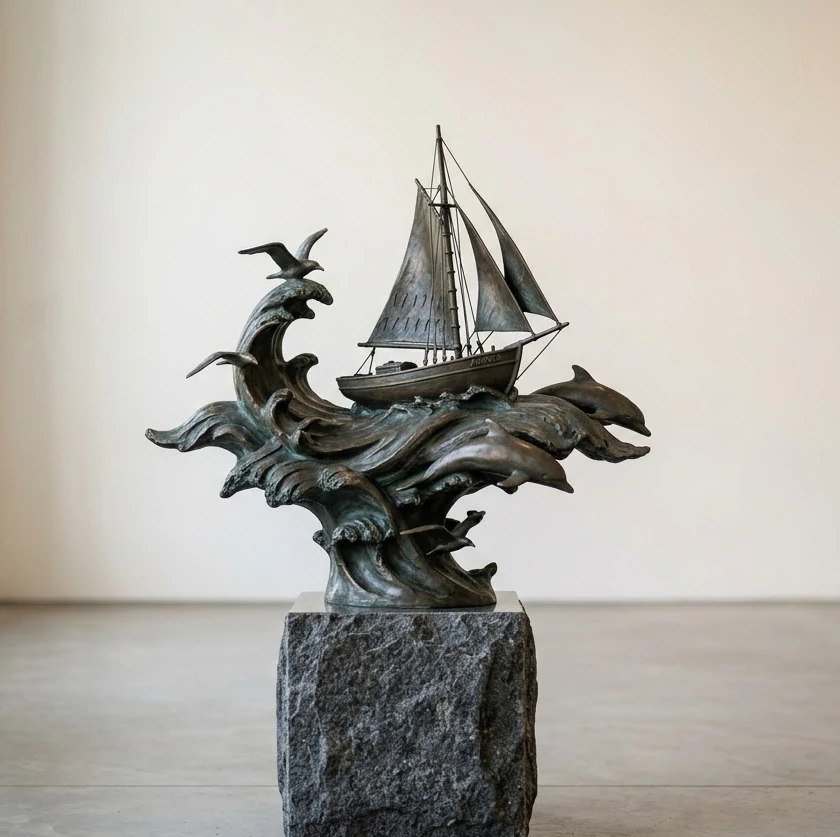
Art term describing marine-themed artworks and sculpture studies What Is Marin?
-
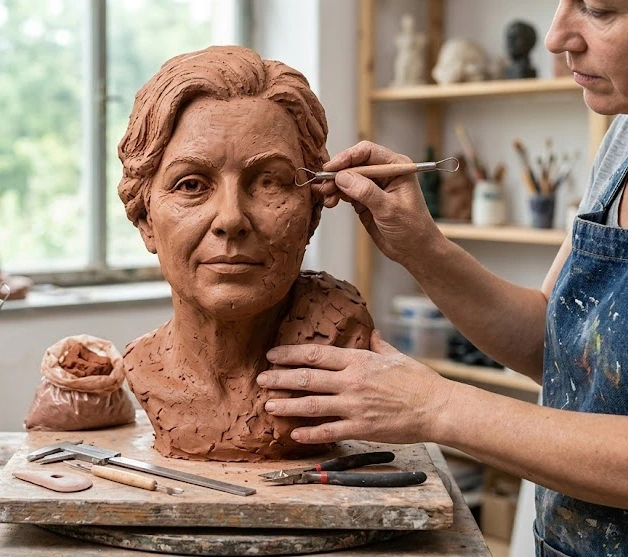
3D sculpture technique shaped by hands and tools for artistic modeling What Is Modelage
-
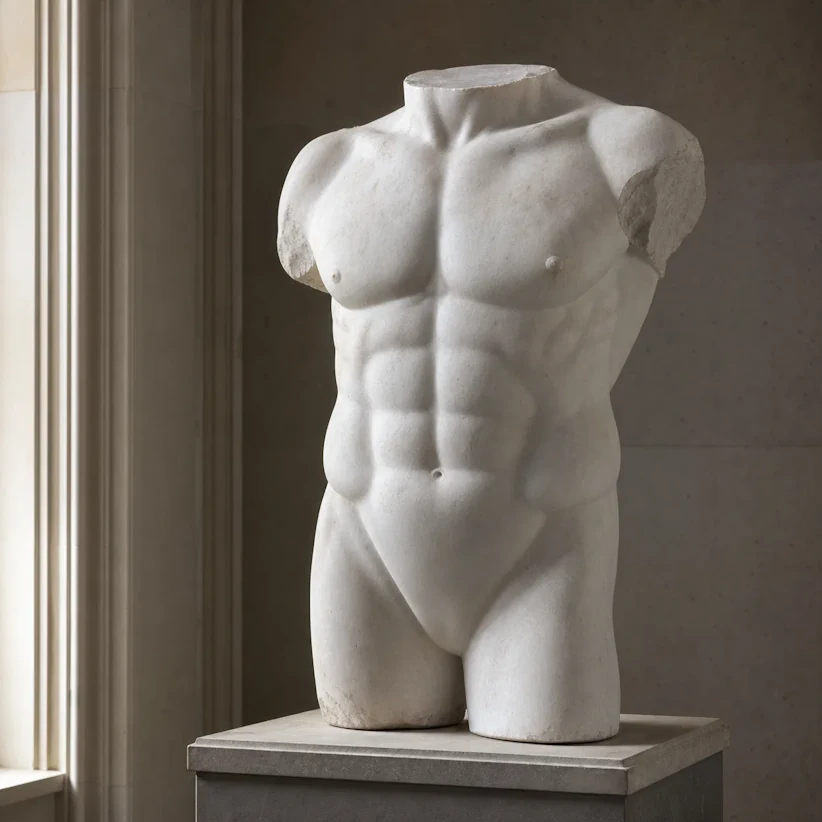
Torso Sculpture: What Is Torso and What Does Tors Mean? What is a Torso?
-

What is engobe, what is it used for, and how is engobe made? What is Engobe?
-

What is chamotte, information about what chamotte mortar is used for What is Chamotte?
-

What does acrylic mean, what does it do, and information about plexiglass What is Acrylic?
-
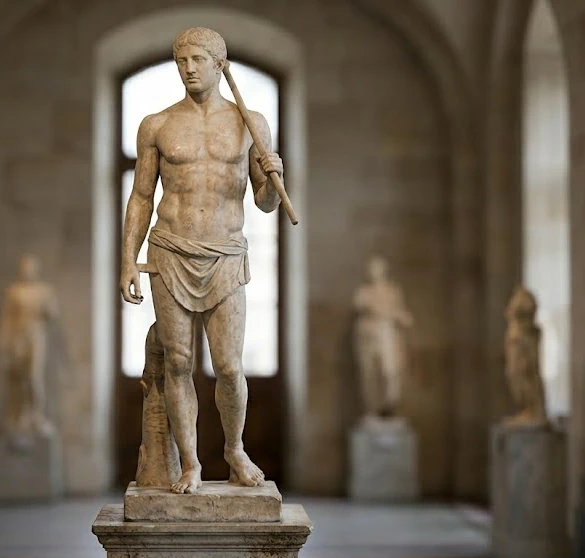
Learn about what contrapposto stance means What is Contrapposto?
-
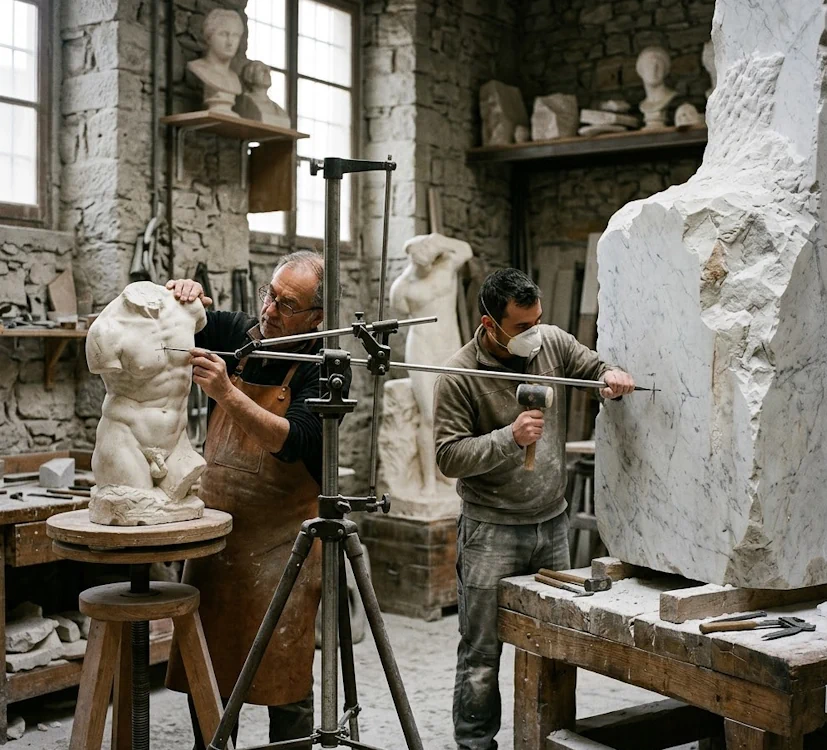
Meaning, functions, and usage of a pointing machine What is a Pointing Machine?
-
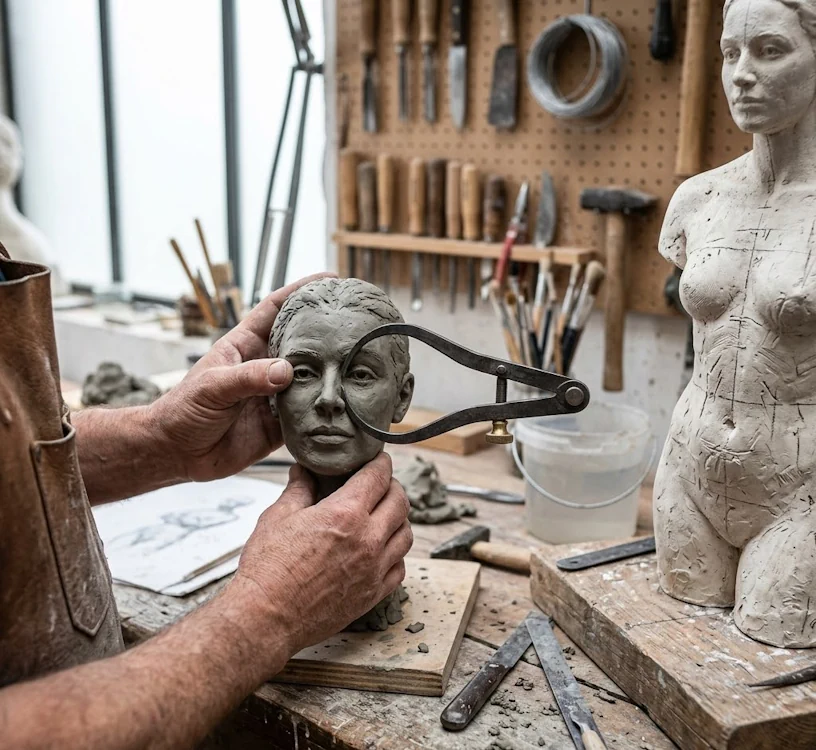
What Is a Caliper? Uses, Types and How to Use It What is a Caliper?
-
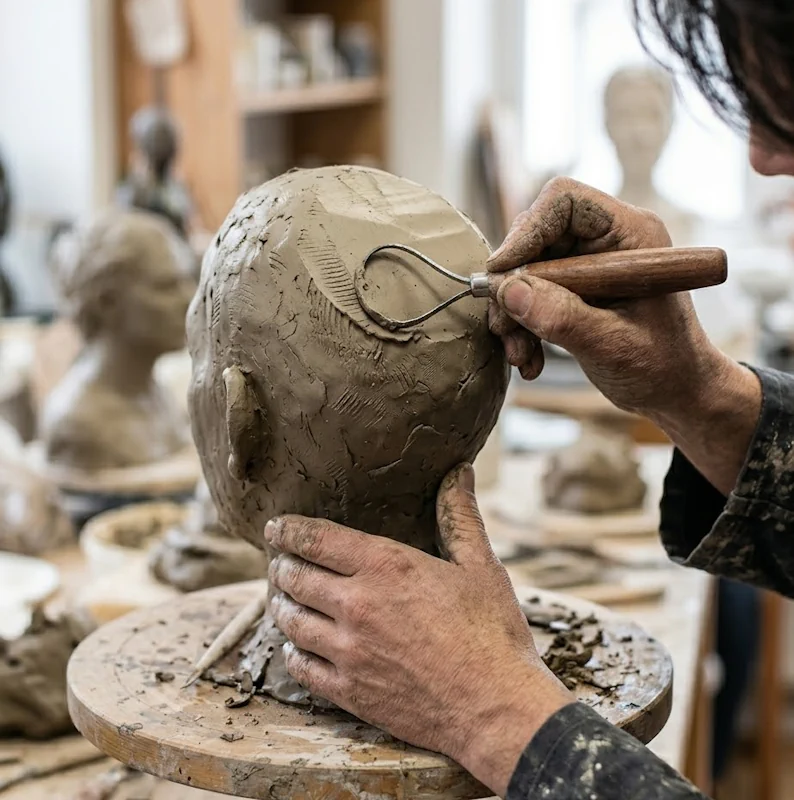
Information about the meaning of a mirette, its functions, and its areas of use What is a Mirette?
-
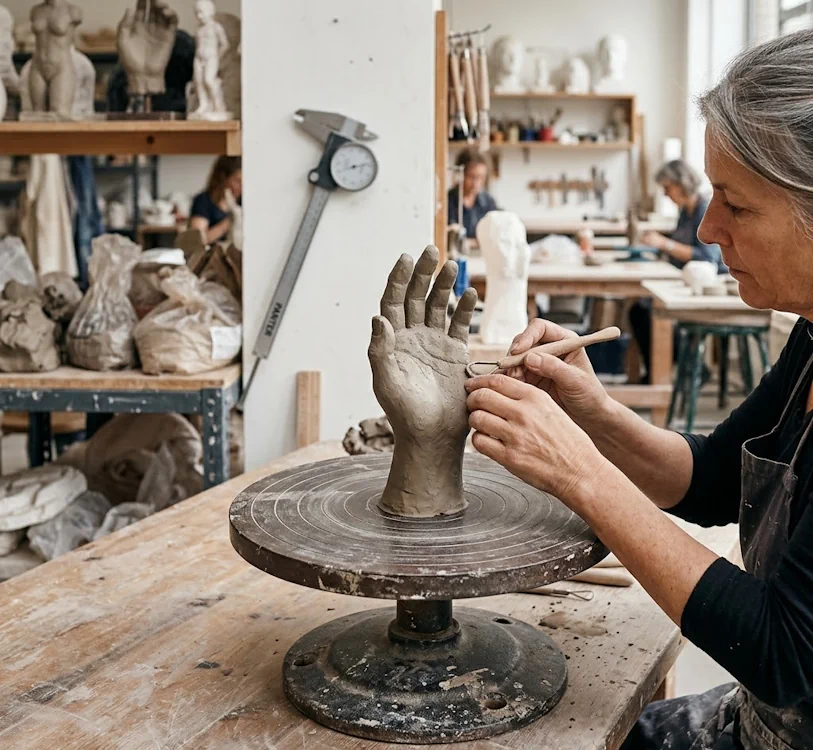
What does Turnet mean, what is it used for, and how do you use it? What is a Banding Wheel?
-
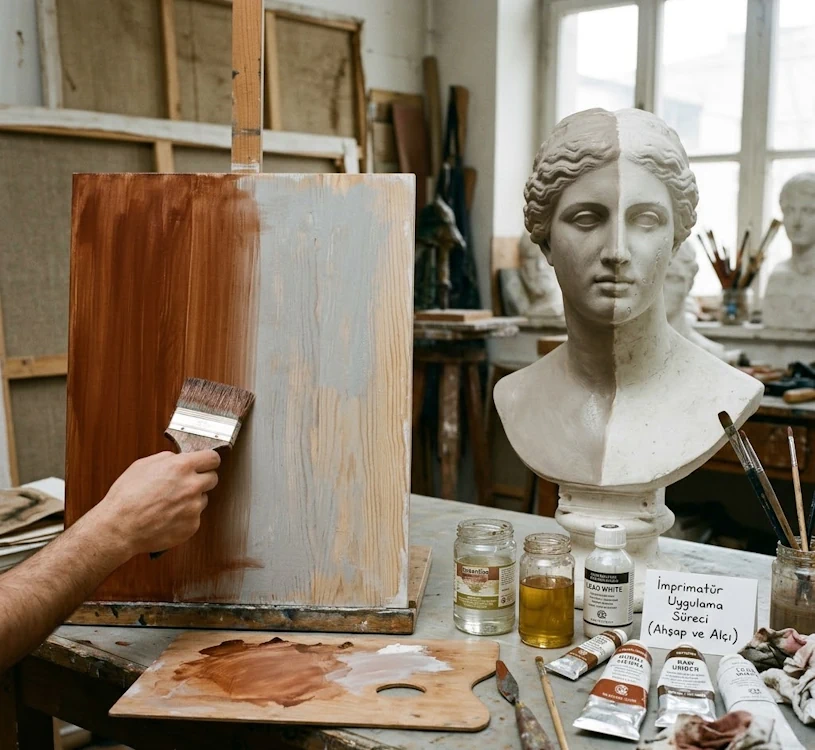
Information about the meaning of imprimatura, its functions, its areas of use What is Imprimatura?
-
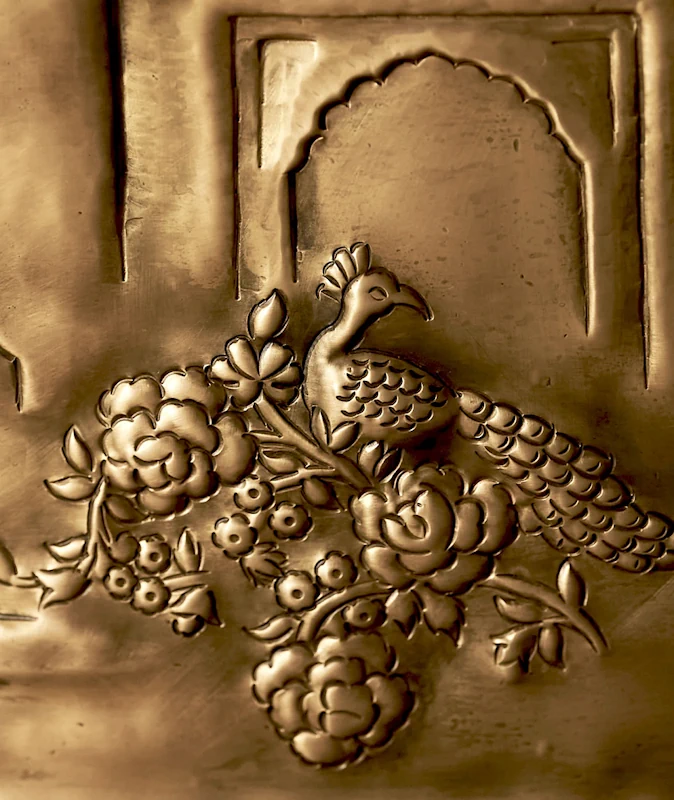
Information about the meaning of repoussé, its functions, and its areas of use What is Repoussé?
-
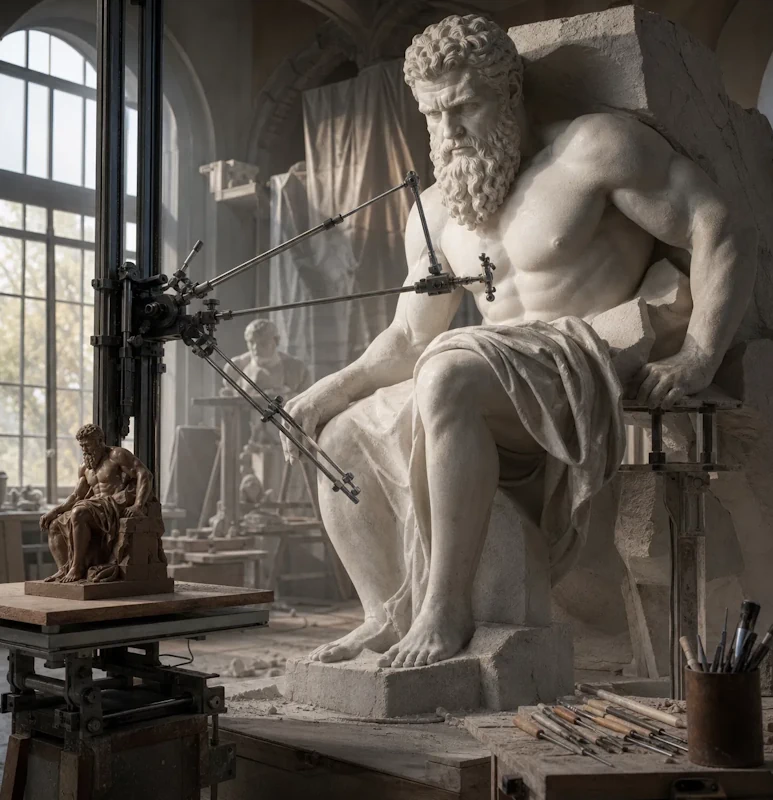
What is Enlargement (Agrandisman) and What Does It Do? What is Enlargement?
-
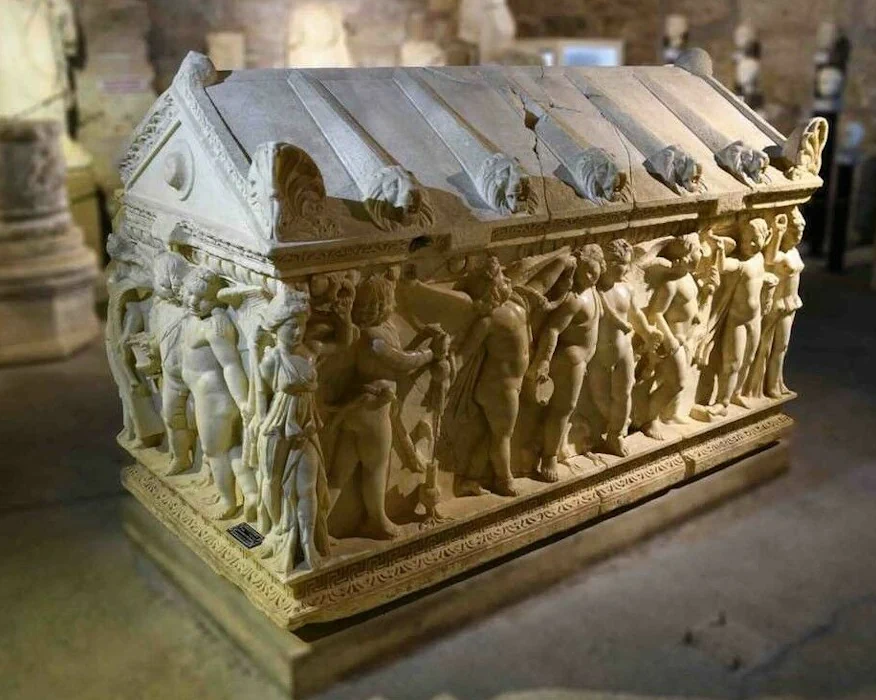
What does Motif mean in visual and sculptural art, and what is it used for What is a Motif?
-
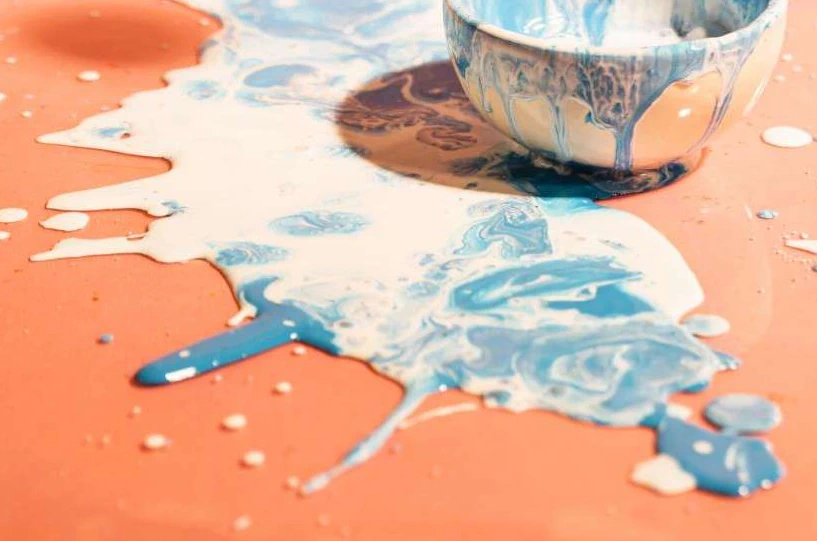
Epoxy: What It Is, What It Does, and Where It Is Used What is Epoxy?
-
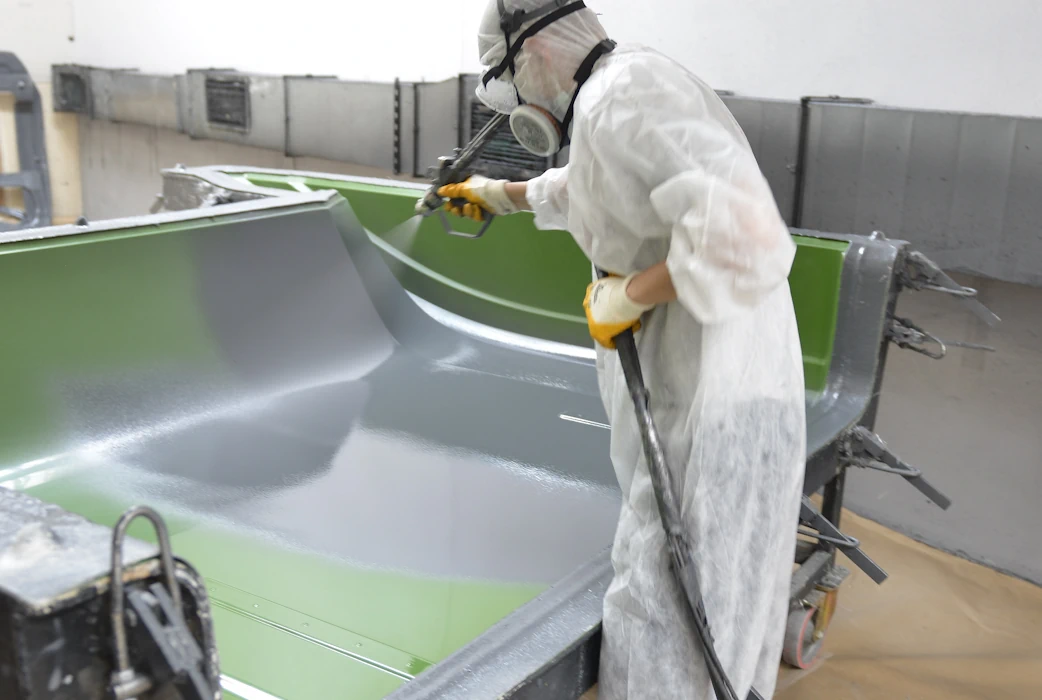
Information about the meaning of gelcoat, its functions, and its areas of use What is Gelcoat?
-
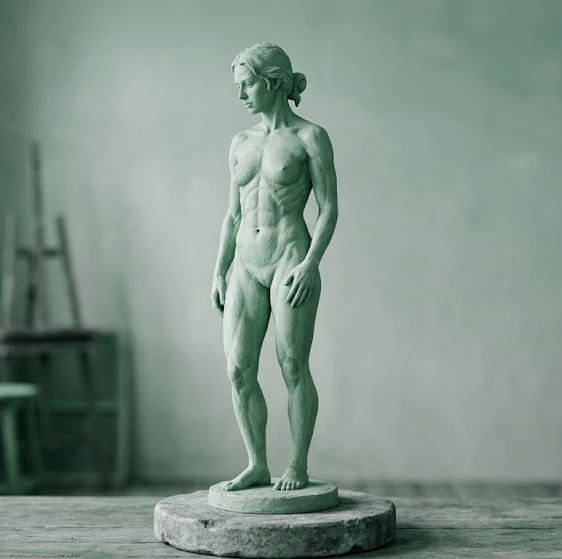
On Anatomical Structure, Posture, and Position in the Art of Sculpture What is Anatomical?
-
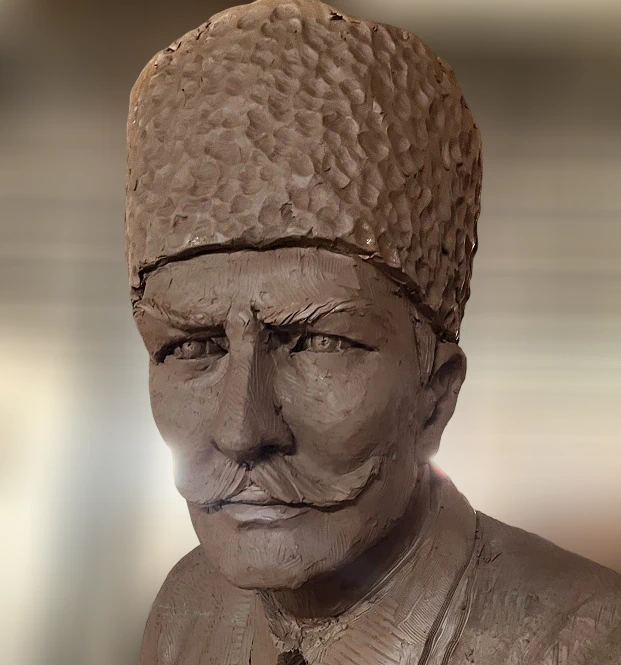
Information about the meaning of a portrait, its functions, and its areas of use What is a Portrait?
-
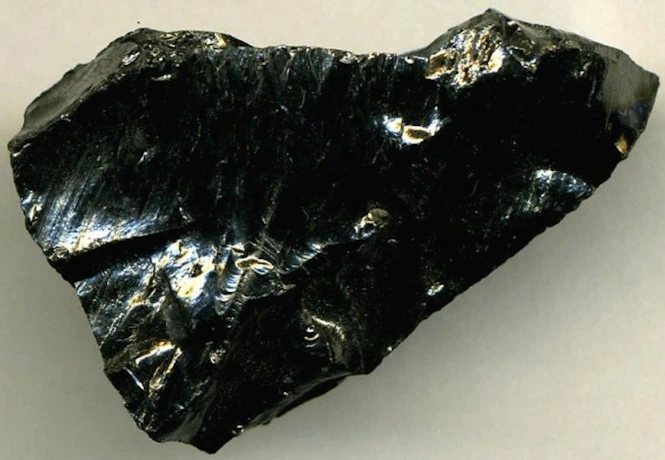
Information about the meaning, definition, and usage areas of Anthracite What is Anthracite?
-

What is abstraction? Abstraction studies in the art of sculpture What is Abstraction?
-

Visual Arts Pictogram Graphic Design and Examples What is a Pictogram?
-
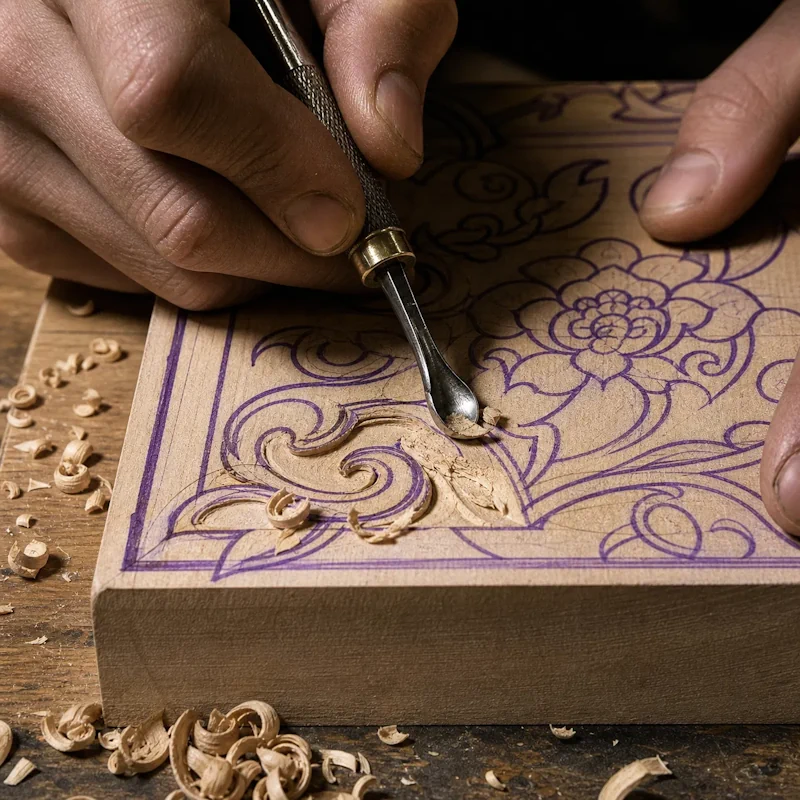
What is Engraving Art and How is it Made? What is Engraving?
-
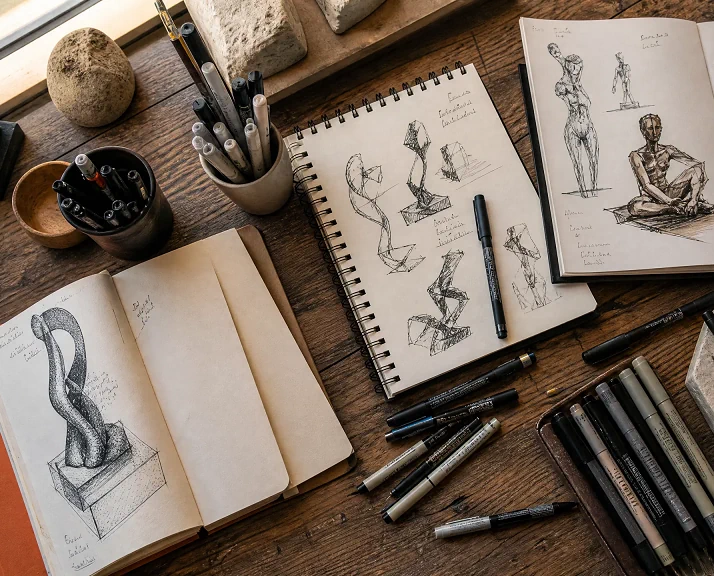
Felt-tip pen: Used for drawing, coloring, and marking What is a Felt-tip Pen?
-
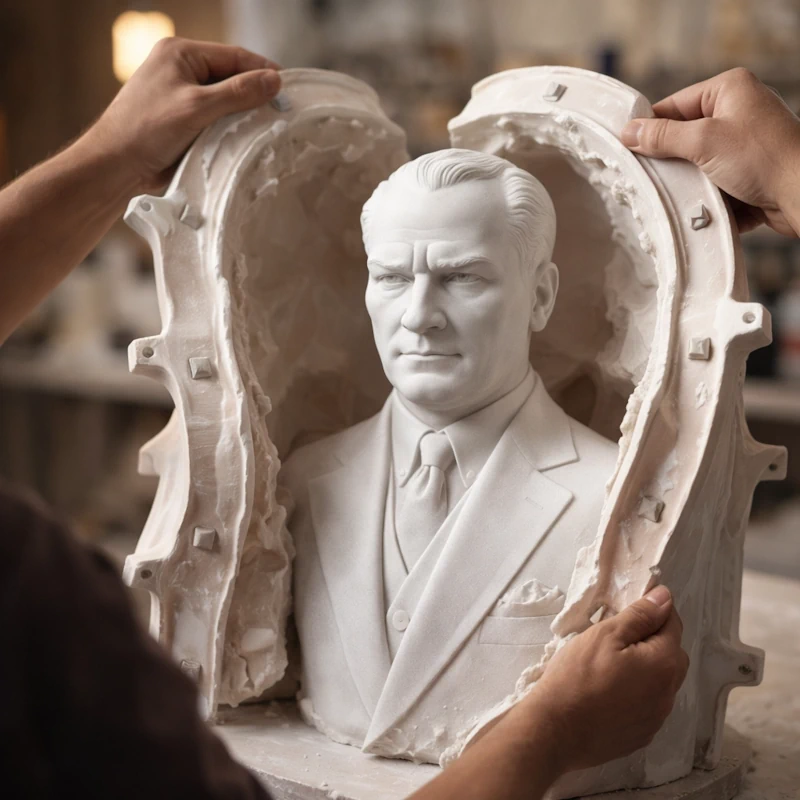
Ex libris: Owner’s bookplate. Prevents loss, marks identity, and art property What is an Ex Libris?
-

Information about the meaning of asymmetry, its functions, and its areas of use What is Asymmetry?
-
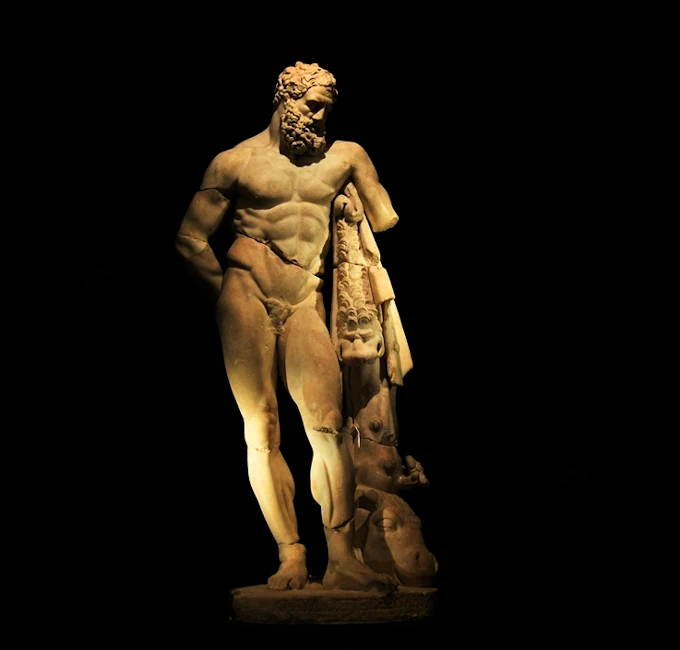
About the Origin and Semantic History of the Word Sculpture Sculpture Etymology
-
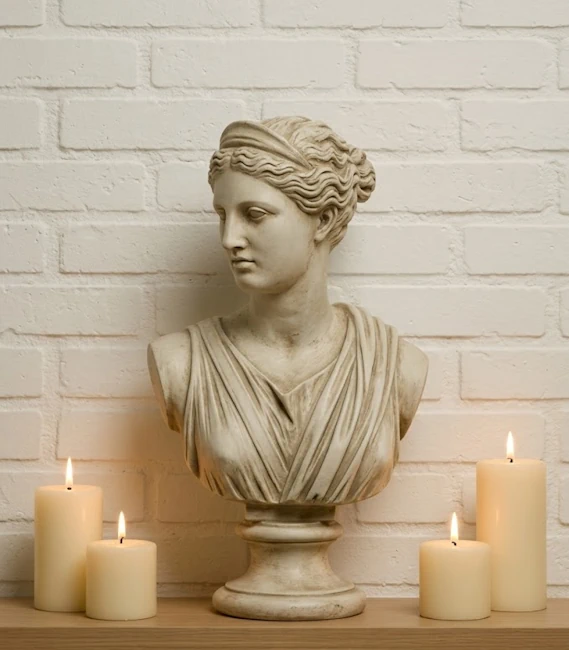
What is the Synonym of the Word Sculpture? Synonym of Sculpture
-
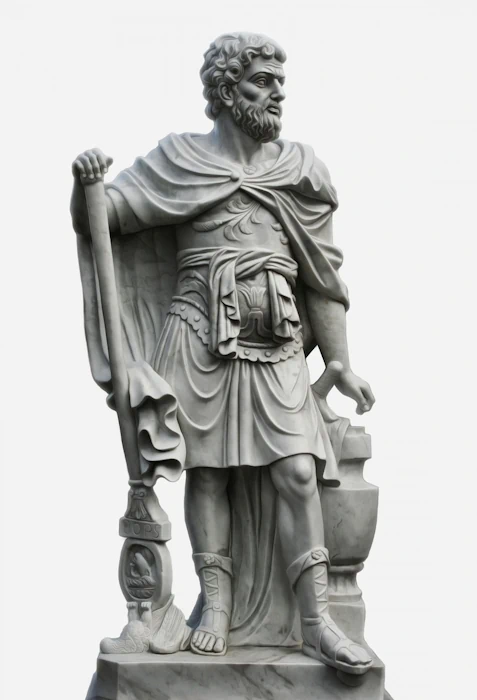
Characteristics of Ancient Rome Sculpture Art Sculpture of Rome
-
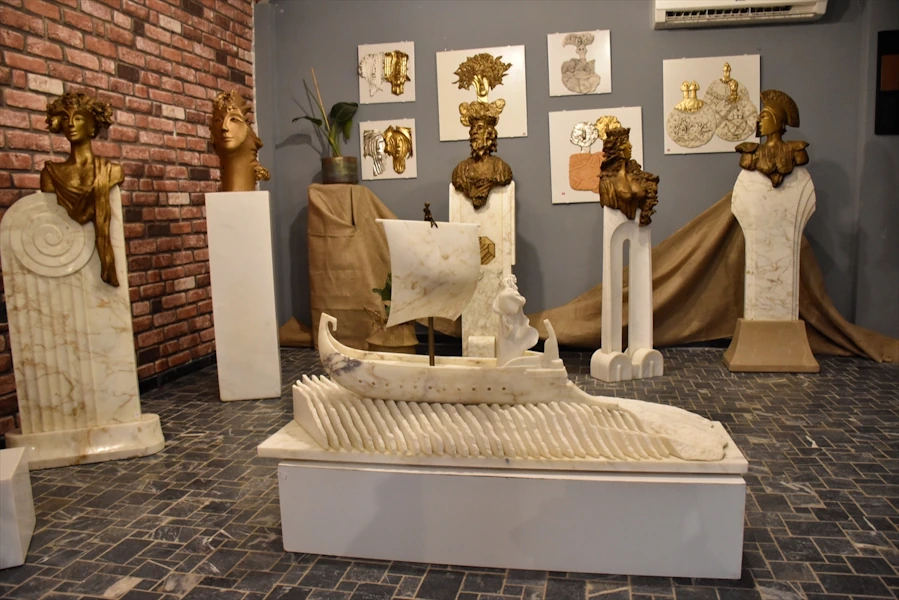
Outdoor Sculpture Exhibitions and Exhibition Types Sculpture Exhibition
-
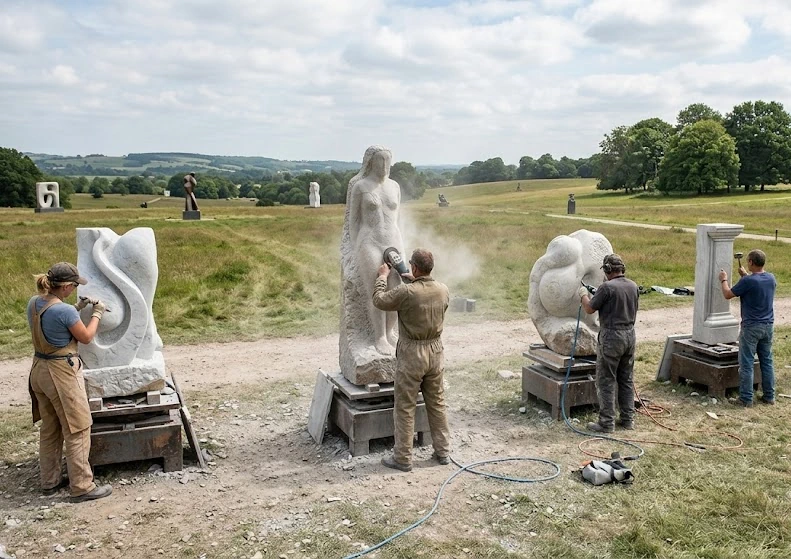
Stone or Wood Sculpture Symposium Tas yada Ahsap Heykel Sempozyumu
-
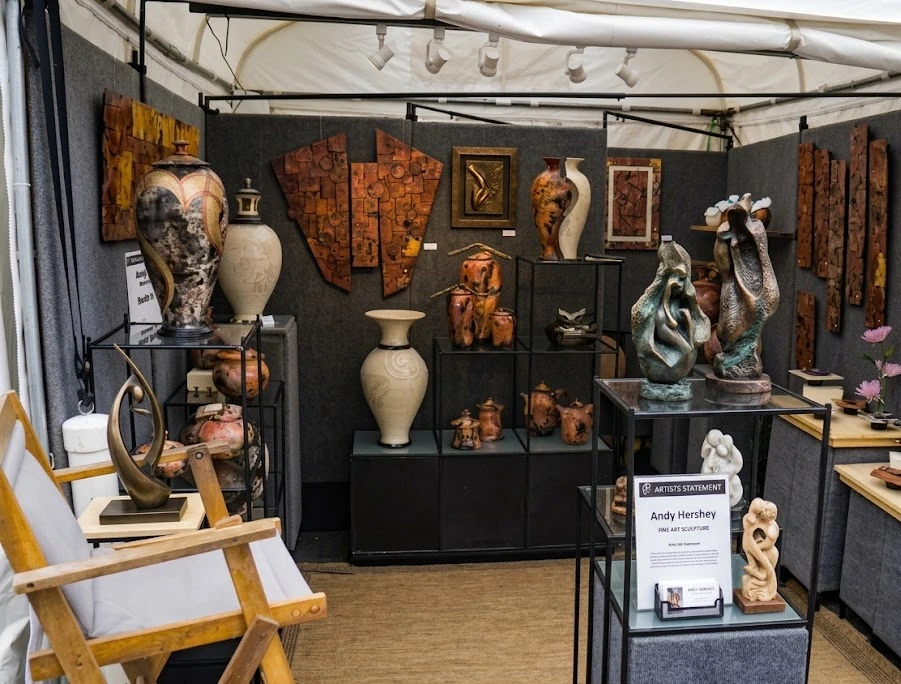
About Sculpture Display and Production Stands Sculpture Stand
-
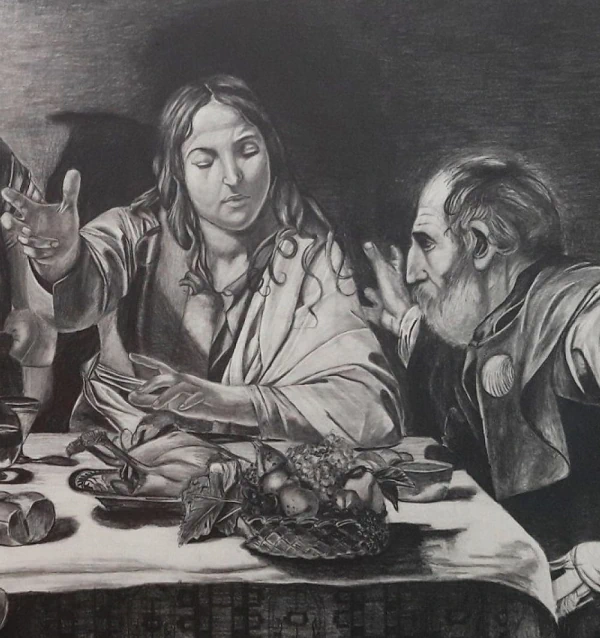
Information about the meaning of achromatism, its functions and its areas of use What is Achromatism?
-
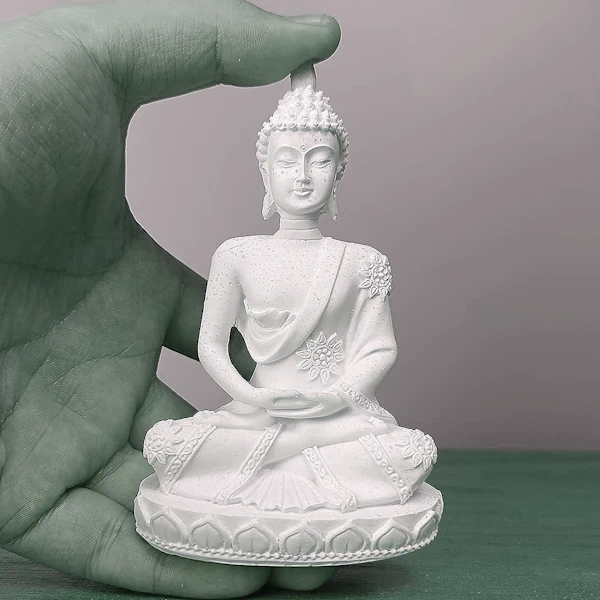
Information about the meaning of a bozzetto, its functions, and its areas of use What is a Bozzetto?
Sculpture Product Categories
Frequently Asked Questions - FAQ
A glossary of sculpture art terms is a comprehensive reference source that brings together technical concepts, material names, production methods and aesthetic terms belonging to this ancient art form. Containing definitions of fundamental concepts such as patina, relief, bust, torso and bozzetto, this glossary appeals to a wide audience ranging from art students and professional sculptors to curious visitors and researchers. It is an indispensable guide for those who want to explore the world of sculpture more consciously.
Relief is a type of sculpture in which figures or motifs are carved into a flat surface, giving a partial sense of three-dimensionality. Unlike traditional sculpture that stands fully independent and can be viewed from every angle, relief remains attached to a surface. Low relief contains slightly raised forms, while high relief features forms that protrude significantly from the background. Widely used in architectural decoration from ancient Egyptian temples to Renaissance palaces, relief is considered one of the fundamental sub-branches of sculpture.
Anatomical accuracy ensures that human or animal figures are represented realistically and proportionally. In a deep-rooted tradition spanning from ancient Greek sculptures to Renaissance masters, mastery of anatomy directly affects the credibility and permanence of a work. The accurate portrayal of muscles, bone structure and posture creates a powerful aesthetic experience in the viewer. Professional sculptors regard anatomical study as an inseparable part of artistic practice in order to gain a thorough understanding of the human body.
This glossary of sculpture art terms has been prepared for students receiving art education, sculptors continuing their professional development, art history researchers and anyone curious about the world of sculpture. This resource, which explains technical terms in plain language, equally benefits both beginner-level users and advanced professionals. It also serves as a valuable guide for art enthusiasts who wish to interpret works more consciously during museum visits.
Mastering sculpture art terminology makes it possible to evaluate works from a deeper and more conscious perspective. Knowing the correct concepts is the foundation for establishing a common language with artists, critics and researchers. It increases academic success for students and professional credibility in the business world for practitioners. Knowledge of terminology forms an indispensable foundation for understanding art history, grasping production techniques and interpreting aesthetic values.
To learn sculpture art terms, it is recommended to start with the most commonly used fundamental concepts such as bust, relief, patina and torso. A comprehensive sculpture glossary is the most practical starting point for this journey. Museum visits and artwork examinations contribute greatly to making learned terms more concrete. Art history books and online academic resources are also effective tools for reinforcing terminology knowledge. With regular reading and practice, a solid foundation can be built in a short time.