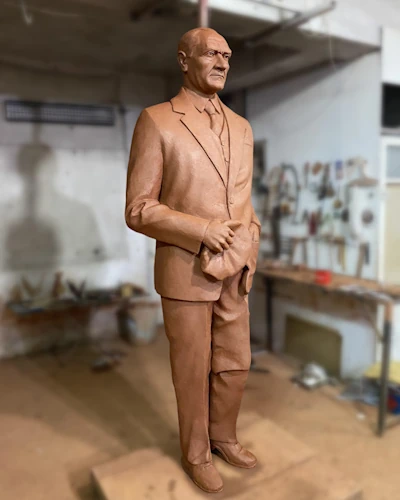
What is a Banding Wheel?
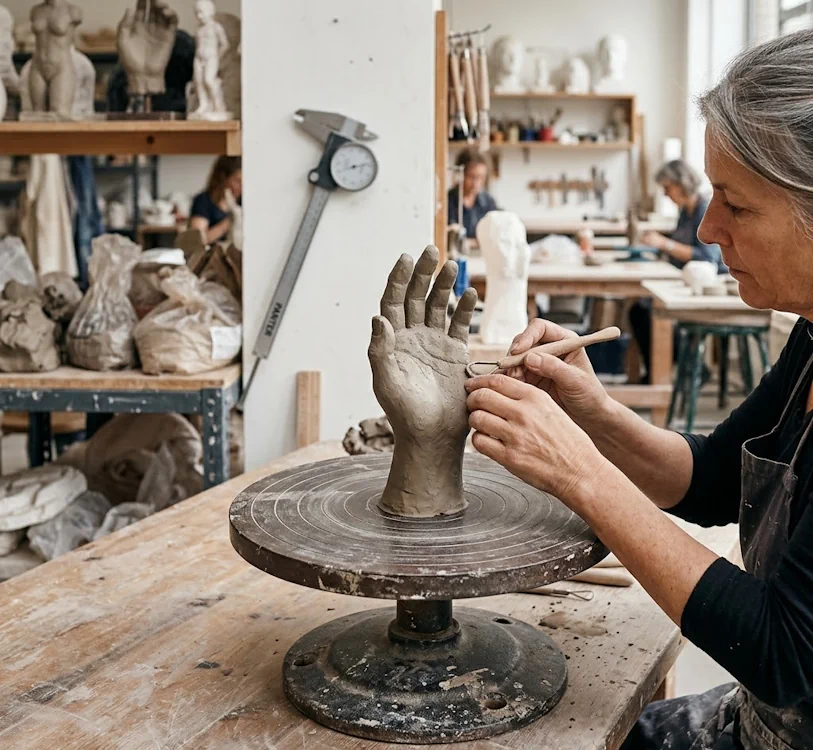
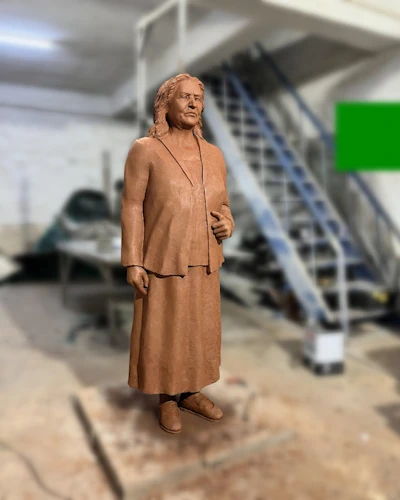
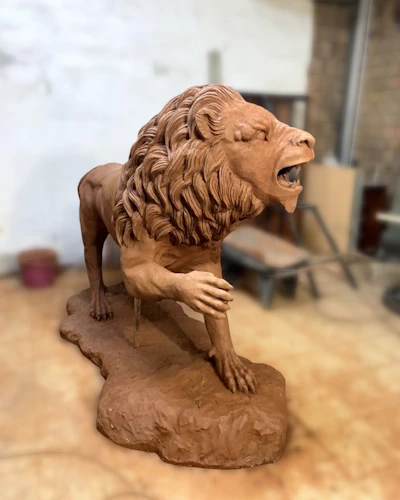
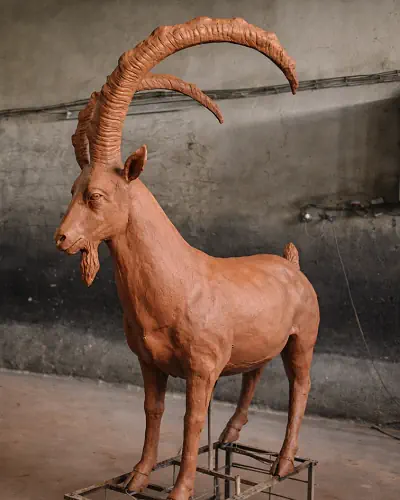
A turnet is a rotating table system used in ceramic and sculpture studios that allows easy movement around the model while working with clay. The word entered Turkish from the French "tournette" and gives the sculptor the ability to view the work from different angles and intervene equally from every direction. An indispensable piece of equipment in professional sculpture studios, the turnet is produced in a wide range from small portable models to large fixed industrial types.
The Purpose of Using a Turnet
Constantly evaluating a work from different angles during the sculpting process is extremely important. Working from only a single direction leads to proportion errors, inconsistencies between areas and general composition problems. Using a turnet allows the sculptor to view the work 360 degrees without having to move it. This both speeds up the production process and contributes to the work achieving a balanced and consistent appearance from every angle.
Types of Turnet
Turnets are produced in various sizes and capacities for different usage needs. Small desktop turnets are suitable for individual use and small scale projects. Medium sized turnets are preferred for bust and half figure work. Large and sturdy floor turnets are used for full figure and monumental scale work. Some professional turnets have a locking mechanism and can be fixed at a specific angle. Motorized turnets can rotate at a constant speed, which provides an advantage especially for photography and documentation purposes.
The Relationship Between Turnet and Pantograph
The turnet is most often used together with a measuring tool called a pantograph. A pantograph is a mechanical device used to transfer measurements taken from the model to a large scale armature. The model on the turnet is positioned at a fixed reference position and measurements are taken with the pantograph; these measurements are then transferred to the large scale work. Together these two tools make scale transfer extremely precise and systematic.
Historical Background of the Turnet
The history of rotating table use goes back to the invention of the potter's wheel. The widespread adoption of the turnet in sculpture studios coincides with the Renaissance period. The growing demand for figurative sculpture and rising standards of craftsmanship during this period made the use of a rotating table essential. Even today, despite the most advanced digital modeling tools, the turnet continues to be the most fundamental and reliable piece of equipment in sculpture studios.
What to Consider When Choosing a Turnet
Choosing the right turnet is an important decision that directly affects production quality. When making a selection, the weight and size of the work to be created should first be taken into consideration; loading beyond the table capacity both shortens the life of the equipment and causes instability during work. The material of the table surface is equally important; a smooth and even surface ensures that the work in direct contact with clay can be rotated without damage. Bearing quality is the most critical factor determining the long term performance of the turnet; quality bearings continue to provide silent and fluid rotation without wearing out over the years. For turnets that are frequently moved in studio conditions, models made from lightweight and durable materials should be preferred; for fixed studio use, models with a heavy and balanced structure should be chosen.
Date Added: