What is Engobe?
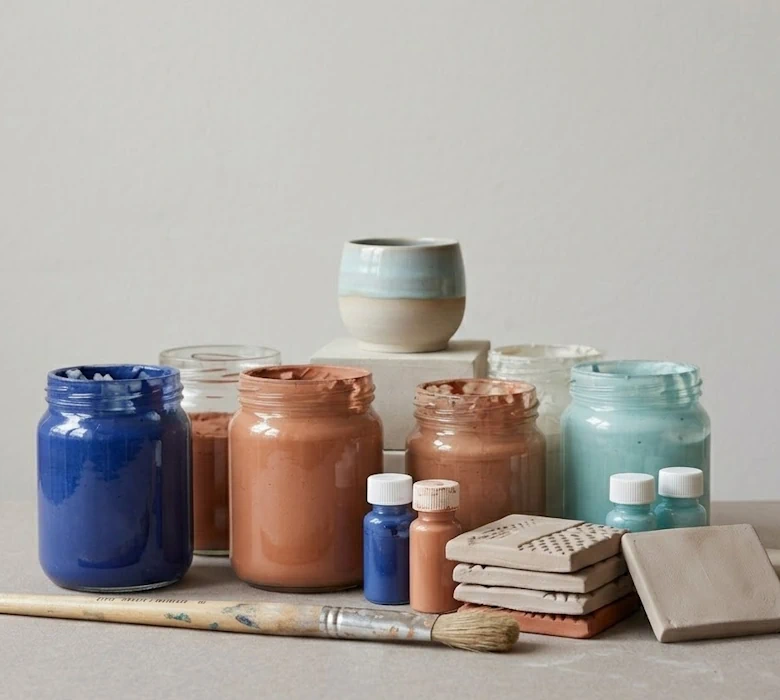
Engobe is a liquid coating material consisting of a fine clay suspension applied to ceramic and clay sculpture surfaces before firing. Derived from the French word "engobe," engobe is used to add color, texture, and a protective layer to the surface. Unlike glaze application, engobe does not form a shiny glass-like surface when fired; it offers a matte or semi-matte appearance. This characteristic gives engobe a unique and natural aesthetic.
The Difference Between Engobe and Glaze
Engobe and glaze are two concepts frequently confused in ceramic surface coating. Glaze melts during firing to form a glass-like, shiny, and impermeable surface. Engobe, on the other hand, consists essentially of a fine clay suspension and retains its clay structure and matte appearance after firing. Engobe application can be used as a base layer beneath glaze or serve independently as an aesthetic surface coating.
Engobe Application Methods
Engobe can be applied using various methods such as dipping, brushing, pouring, and spraying. The dipping method is preferred in industrial ceramics due to the even and homogeneous coating it provides. Brush application is a more commonly used method in art ceramics and sculpture painting, as brushstroke marks and layer variations add an organic texture to the work. After engobe is applied, it should be left to partially dry; thereafter, carving, incising, or other decorative techniques can be applied. It has now begun to be used in modern contemporary sculpture production.
Use of Engobe in Sculpture
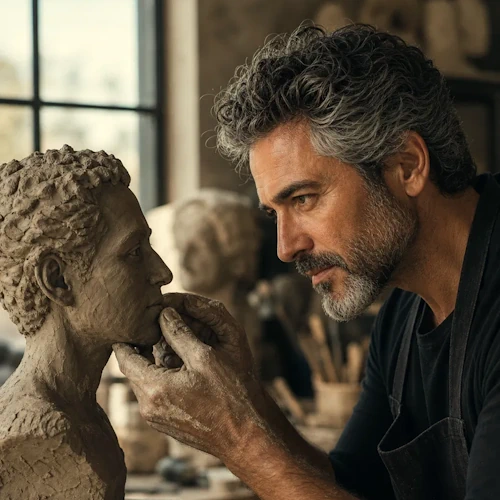
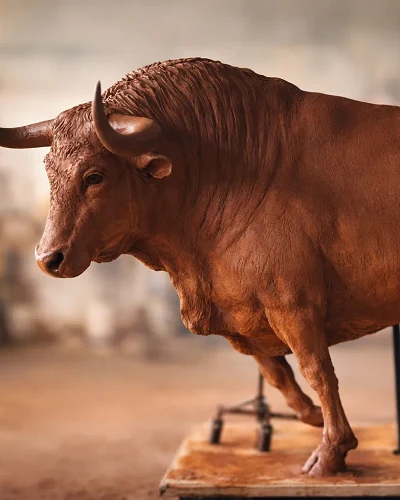
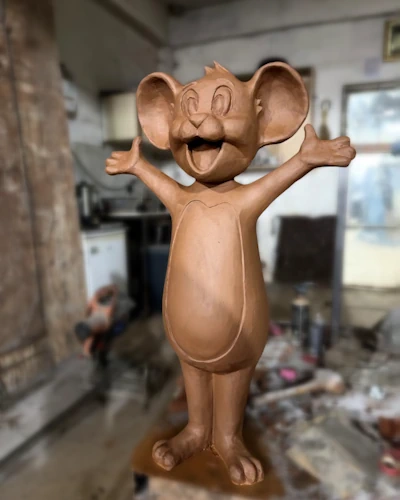
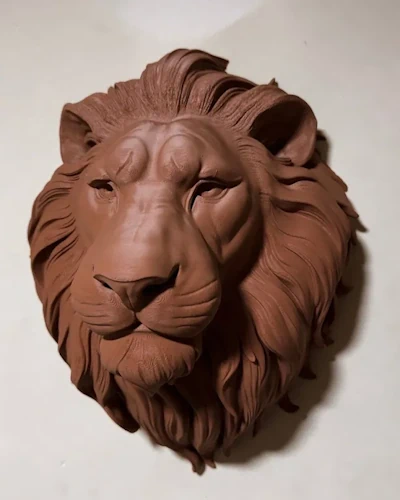
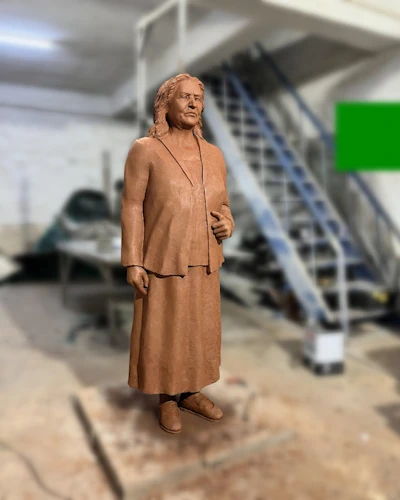
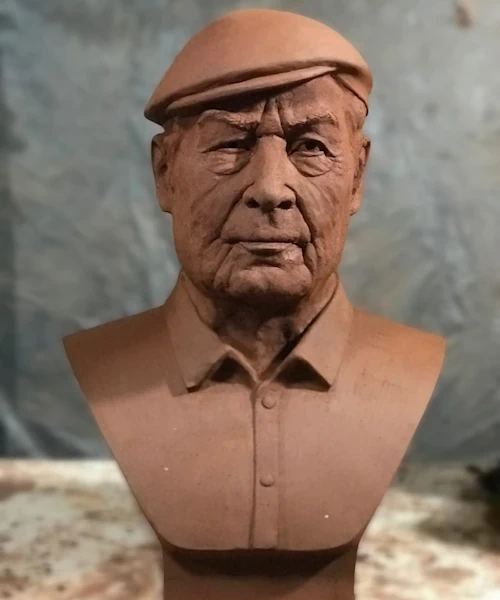
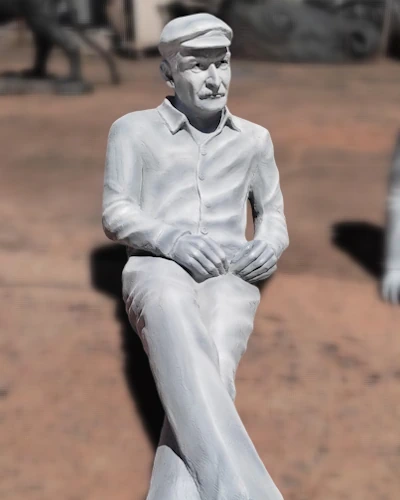
Clay sculpture production uses engobe as a versatile material. Engobe mixtures prepared in different colors are applied with a brush to add tonal richness to the surface. The sgraffito technique, which involves incising through the engobe layer, is used to create contrast and decorative lines. In addition, angob mixtures in different colors can be combined using the marbling technique to achieve surfaces resembling marble. These techniques extend the decorative potential of engobe across an exceptionally wide range.
Engobe - Angob and Traditional Pottery
The history of engobe use is considered parallel to the history of human pottery. The first potters of the Neolithic period used clay suspensions containing natural pigments to color clay vessels and smooth their surfaces; these represent the earliest angob applications. Ancient Greek red-figure and black-figure ceramics were also based on special engobe formulations. This deep-rooted tradition continues to thrive in contemporary art ceramics and clay sculpture practice. If you would like to learn what clay is, you can read our article on what is clay.
Engobe Formula and Coloring Techniques
Achieving a successful engobe application requires establishing the correct material balance and adapting to the shrinkage rate of the clay body. The basic engobe formula consists of white or colored slip clay, kaolin to balance plasticity, flux to improve adhesion, and quartz mineral to prevent cracking during firing. A wide color range is achieved by adding metal oxides such as iron, copper, cobalt, and manganese, or ready-made ceramic pigments, to this liquid clay mixture. A correctly formulated angob mixture, when applied to a leather-hard sculpture surface, forms a perfect bond with the body and creates a permanent, smooth layer without flaking, cracking, or peeling after firing.
Date Added: