What is Acrylic?
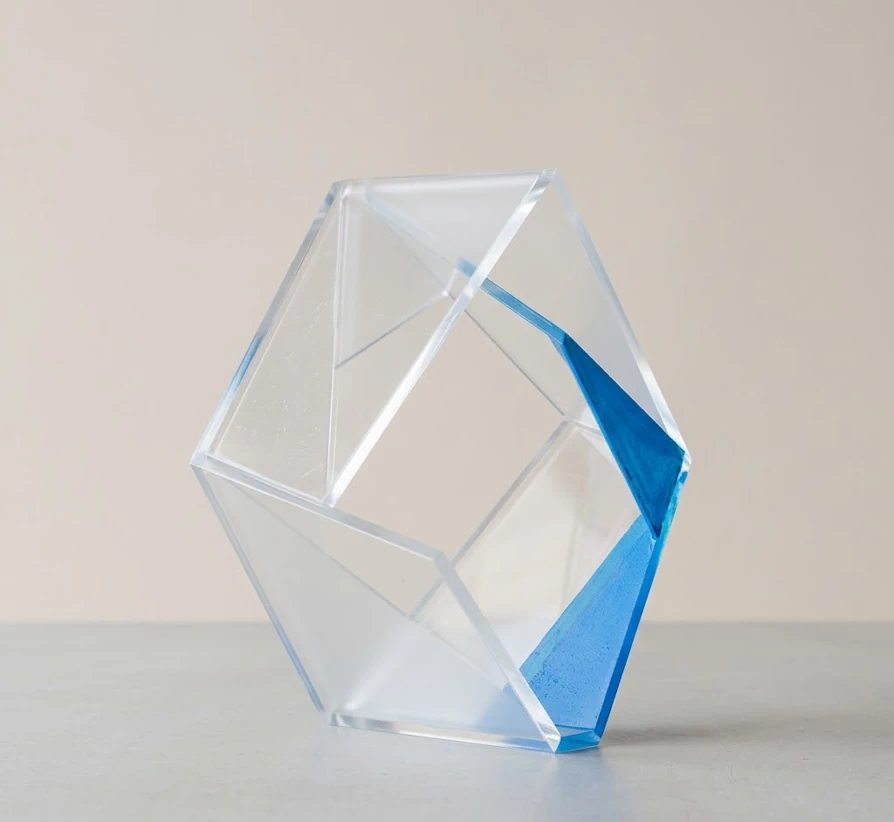
Acrylic is a synthetic polymer material based on polymethyl methacrylate, used in the art world both as a paint medium and as a transparent plastic material. As a paint, acrylic is a water-based, fast-drying coating system; as a plastic, it stands out in sculpture and architecture applications thanks to its glass-like transparency and lightweight properties. Developed in the mid-20th century, acrylic rapidly spread throughout the art world and is now among the most widely used materials in creative practice.
Acrylic Paint and Sculpture Finishing
Acrylic paint is an extremely practical and versatile material for application on sculpture surfaces. Its water-based formulation makes cleanup effortless, while its fast-drying properties speed up production timelines. Once fully cured, acrylic paint forms a water-resistant and durable film. Acrylic paint can be used to achieve a wide range of surface effects, including bronze, rusted metal, stone, and wood finishes. Its rich color range and ease of mixing have made acrylic one of the most preferred paint types among sculptors. However, it is rarely found among the world's most famous sculptures.
Acrylic Plastic and Sculpture
Transparent acrylic plastic began gaining widespread use in sculpture art during the second half of the 20th century. Also known as Plexiglas or organic glass, this material adapts easily to processes such as cutting, bending, heat-forming, and bonding. Contemporary sculptors take advantage of acrylic plastic's light-transmitting properties to create works incorporating illumination and optical effects. Neon-colored acrylics are used in pop art and contemporary decorative sculpture to produce striking visual impact.
Advantages of Acrylic Materials
There are multiple reasons behind the widespread adoption of acrylic materials in the arts. Compared to oil paint, acrylic dries far more quickly, significantly reducing waiting times. Acrylic plastic is much lighter than glass and considerably more resistant to breakage. Both the paint and plastic forms can be manufactured with UV additives to enhance resistance to sunlight. Thanks to eco-friendly formulations, acrylic paints contain far fewer solvents and volatile organic compounds than oil-based paints.
Acrylic Sculpture Today
Today, acrylic holds an indispensable place in both traditional and contemporary sculpture practice. As a paint, it is extensively used in sculpture finishing and patina applications; as a plastic, it is widely employed in transparent installation and light sculpture projects. Works created from acrylic plastic are gaining more and more prominence at international art fairs and galleries each year. The broad design freedom and technical flexibility this material provides have made it one of the fundamental expressive tools of contemporary art.
Acrylic Sculpture Care and Conservation Methods
To ensure the longevity of acrylic sculptures and works painted with acrylic, a regular and proper maintenance routine is essential. Transparent acrylic plastic surfaces are highly susceptible to scratching, so during cleaning, harsh chemicals or abrasive cloths should be avoided in favor of microfiber cloths and specialized antistatic cleaners. Acrylic-painted sculpture examples may experience color fading over time when exposed to intense direct sunlight (UV radiation). Applying a protective acrylic varnish layer and displaying works in controlled indoor environments will preserve the material's vibrancy and structural integrity for years to come. If you wish to learn the meaning of certain terms used in this article, you are welcome to visit our sculpture art glossary page.
Date Added: