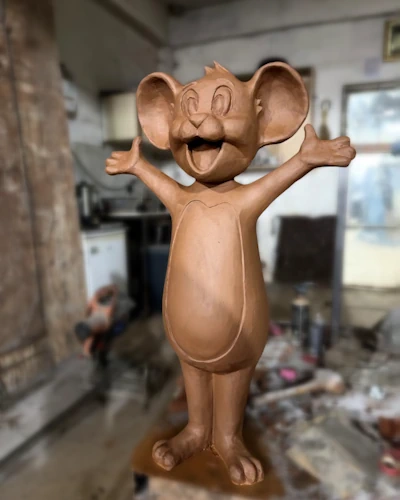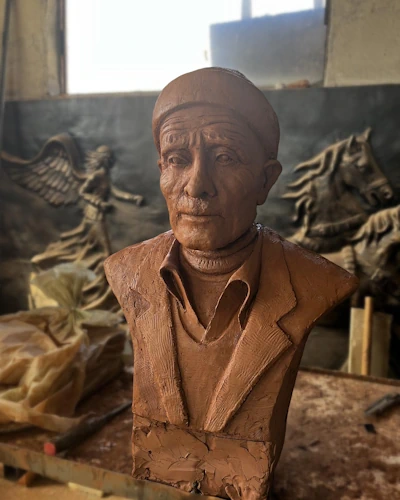
What is Imprimatura?
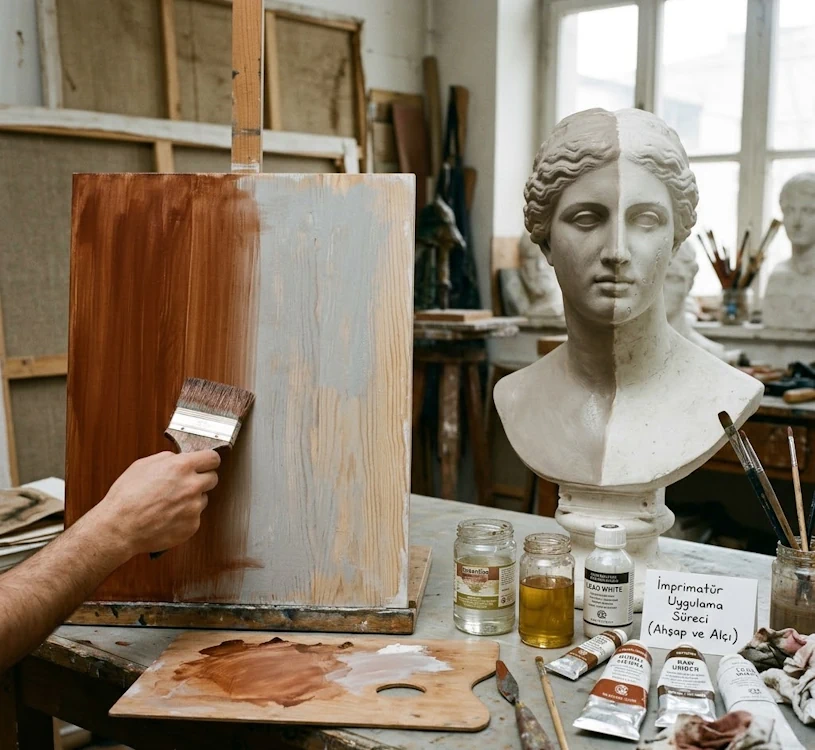
Imprimatura is the first thin layer of paint applied to the ground surface in the process of painting sculptures and paintings. Derived from the Latin word "imprimere," meaning to press onto or to work into the surface, this term is widely used in canvas painting and wood panel painting. In sculpture, it refers to the tonal ground layer applied to the surface before the painting stage. Imprimatura is a critical preparatory step that determines the tone of the work before transitioning to the final color and guides the color layers to be built upon it.
The Function of Imprimatura
Imprimatura serves multiple functions. The first is to regulate the absorbency of the surface; without a ground layer, paint is absorbed unevenly and the final surface cannot achieve a homogeneous appearance. The second is to create a tonal ground; when light colors are applied over a dark imprimatura, depth and light effects emerge naturally. Sculpture color type selections are generally made in neutral grey, brown, or reddish earth tones. The color of the imprimatura varies depending on the overall warmth and tone the painter or sculptor expects from the final work.
Historical Use of Imprimatura
The history of imprimatura technique dates back to the Renaissance period. Famous Sculptors and painters, known as the Old Masters, began most of their works with imprimatura. Baroque period painters such as Rubens, Rembrandt, and Titian applied imprimatura in different colors, skillfully utilizing the atmosphere each created. Light brown or reddish earth tone imprimaturas are the source of the warm underlying luminosity seen in the works of these masters. A similar practice is observed in the tradition of sculpture painting, where the tonal ground of the surface directly affects the outcome of the painting.
Imprimatura Materials
Imprimatura can be applied using various materials. In oil paint imprimatura, a thin layer of paint diluted with turpentine is applied to the surface. In acrylic paint imprimatura, water-based acrylic paints are used. In the traditional tempera technique, egg yolk-based mixtures are preferred. It is extremely important that imprimatura is applied thinly and evenly; thick or uneven application can cause problems in the paint layers that follow.
Imprimatura and Sculpture Painting
In the sculpture painting process, imprimatura is particularly important for plaster, polyester, and wood surfaces. These surfaces have different absorbency properties that make it difficult for paint to adhere evenly. The imprimatura layer standardizes these surfaces, facilitating paint application and improving the quality of the final surface. Especially in decorative sculpture and figure painting, imprimatura serves as a ground that enhances shadow and light effects.
Imprimatura Application Techniques
Brush selection and application direction also directly affect the outcome in imprimatura application. Applications made in a single direction with wide flat brushes create the most homogeneous ground surface. Proceeding to the next layer before the paint has fully dried can lead to color contamination. For this reason, a drying time of at least 24 hours is recommended for oil paint imprimatura, and 2 to 4 hours for acrylic imprimatura. Once the drying process is complete, lightly sanding the surface ensures better adhesion of the next paint layer.
Date Added: