What Is Marin?
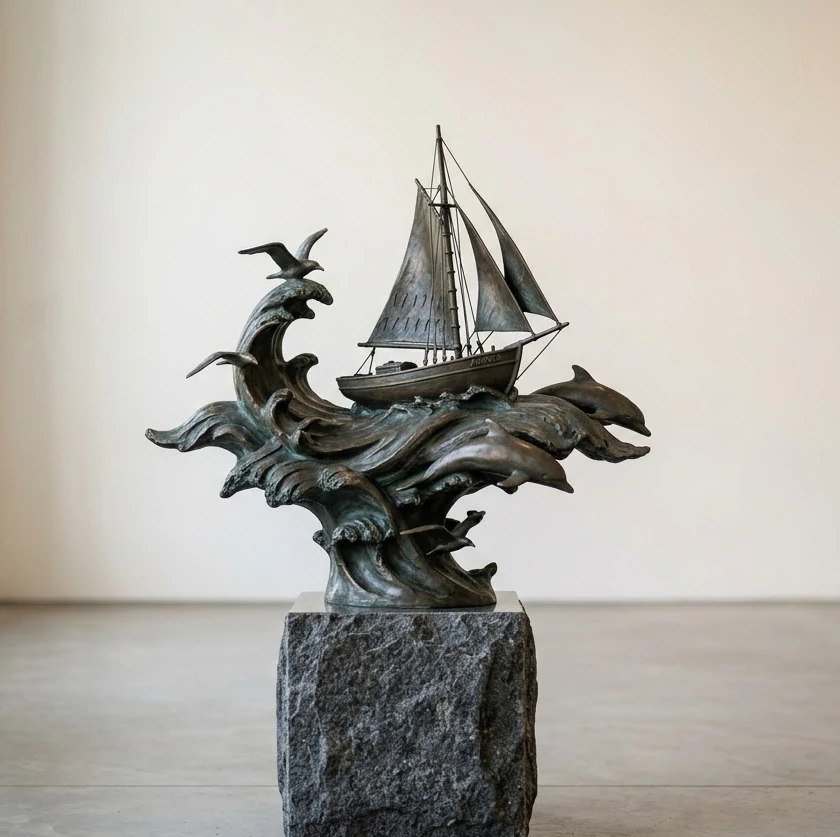
Marin is a deep-rooted art term used to describe works of art that explore the themes of the sea, ocean, water, and maritime themes. The answer to the question what is marin goes far beyond a simple classification; this term also expresses the reflection in art of the deep emotional and cultural bond that humanity has formed with the sea. Encountered across many different disciplines such as painting, sculpture, relief, and ceramics, marin art transfers the movement of waves, the forms of marine creatures, the powerful silhouettes of ships, and the dynamism of coastal life into permanent materials. Within sculpture art, marin-themed works stand out as an effort to transform the most powerful and free element of nature into a three-dimensional form.
Historical Development of Marin Art
The history of marin art is as old as humanity's relationship with the sea. In ancient Greek and Roman periods, sea gods, mythological creatures, and naval battles were among the primary subjects of works of art. During the Renaissance, as seafaring and geographical discoveries gained momentum, marin-themed works began to be recognized as an independent art form. In the 17th century, the realistic and detailed approach that Dutch and Flemish painting schools brought to marin painting formed the golden age of this genre. In the field of sculpture, mythological figures such as the sea god Poseidon and Neptune went down in history as the earliest and most powerful examples of marin sculpture. Today, marin art continues to be produced in both traditional and contemporary sculpture styles.
Materials Used in Marin Sculpture
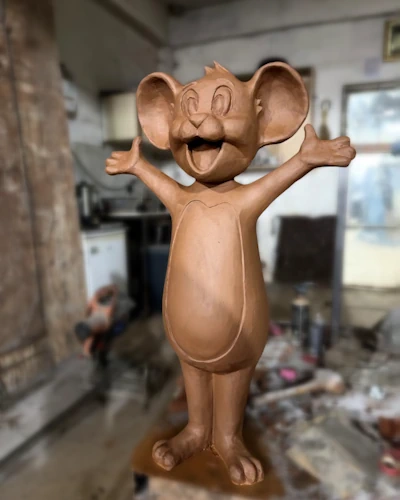
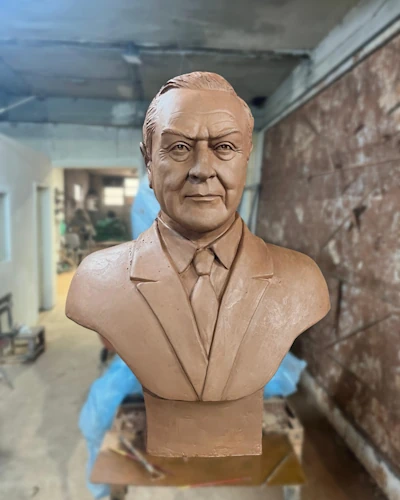
The choice of material in marin-themed sculpture works varies greatly depending on the subject of the work and its area of use. Bronze is the most preferred material in sea-themed sculptures; thanks to its superior resistance to moisture and salt-laden weather conditions, it can maintain its durability for decades in coastal and outdoor settings. Fiberglass and polyester are among the modern materials preferred in large-scale marin projects due to their lightness and ease of shaping. Clay modeling forms the first and most critical stage of the marin sculpture production process; the fluid form of waves, the organic structure of marine creatures, and ship details all first come to life in clay. Stone and marble retain their place among the classic materials preferred for monumental marin works.
Subject and Form in Marin Sculpture
The range of subjects in marin sculpture is extremely broad and diverse. Among marine creatures, forms such as whales, dolphins, octopuses, sharks, and sea turtles are among the subjects that attract the most interest from sculpture artists. Human figures such as sailors, fishermen, and sea gods are also indispensable elements of marin sculpture. Ship sculpture, anchors, ship wheels, and lighthouses stand out as symbolic marin sculpture subjects representing maritime culture and history. The abstract form of waves and the fluid nature of water carry the quality of being a universal theme that can be interpreted both realistically and abstractly in marin sculpture. In monument sculpture projects, the marin theme is particularly favored by port cities, coastal municipalities, and maritime institutions.
Marin Sculpture Process and Technical Challenges
The production of marin-themed sculpture contains unique technical challenges compared to other types of sculpture. Transferring the dynamic and fluid form of waves into a three-dimensional material requires the artist to draw on their knowledge of both anatomy and nature observation at the highest level. The organic and asymmetric structure of marine creatures also requires special attention in terms of armature design; the load-bearing skeletal system for extended forms such as fins, tentacles, and tail structures must be carefully planned. Details such as surface textures that mimic an underwater environment, the light and transparent appearance of wave foam, and the wet surface sheen of marine creatures place marin sculpture among the most technically demanding disciplines. All of these challenges simultaneously make marin sculpture one of the most impressive and original art forms.
Marin Sculpture Orders and Application
To place a sculpture order for a marin-themed work, the intended use of the piece, the space where it will be positioned, and the preferred subject are first determined. Theme options such as a marine creature, a sailor figure, or an abstract wave form are evaluated in detail together with the artist. Dimensions, material, and coating preferences are also among the key determining factors of the production plan. The draft prepared during the clay modeling stage is submitted for client approval, after which the casting and surface finishing processes begin. In the selection of materials for marin sculpture, moisture and salt resistance are given particular consideration to ensure durability in outdoor conditions, allowing the work to preserve its value for many years in its intended setting.
Date Added: