
World’s Most Famous Sculptors
The names that left the deepest marks in art history brought stone, marble, and bronze to life through the power of chisel and hammer. From Michelangelo to Rodin, these great masters transformed sculpture into a universal language. From Ancient Greece’s Pheidias to the genius of the Renaissance, from the Baroque era’s Bernini to modern art’s Brancusi, the great sculptors of every age inscribed the spirit of their time into immortal works. On this page, you will discover the most influential sculptors who shaped world art history, their creations, and their contributions to the craft. You will find each master’s life story, sources of inspiration, most celebrated works, and the unique techniques and styles they brought to the art of sculpture. Our page World Famous Sculptors has a total of 43 records. Last Updated:
World’s Most Famous Sculptors
-
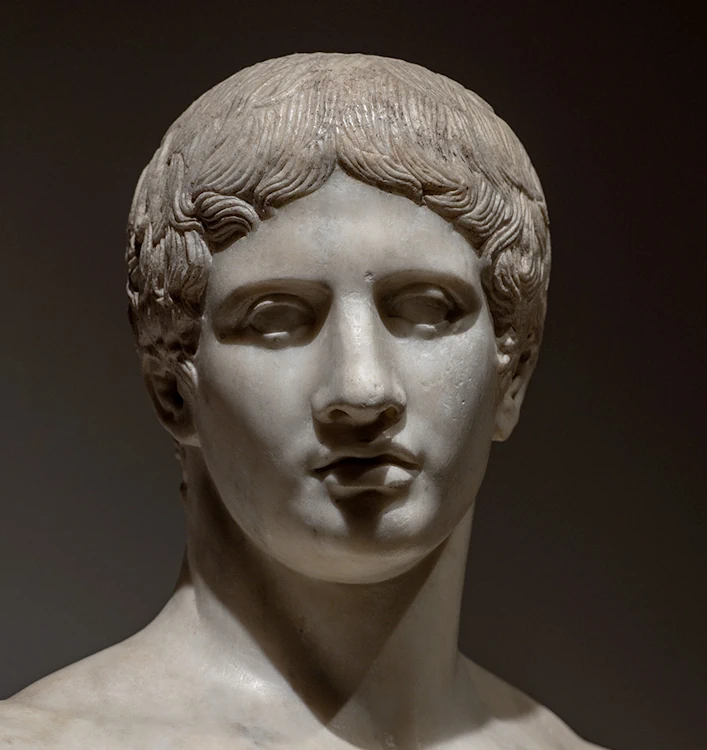
Who is Polykleitos, his life and the sculptures he made -
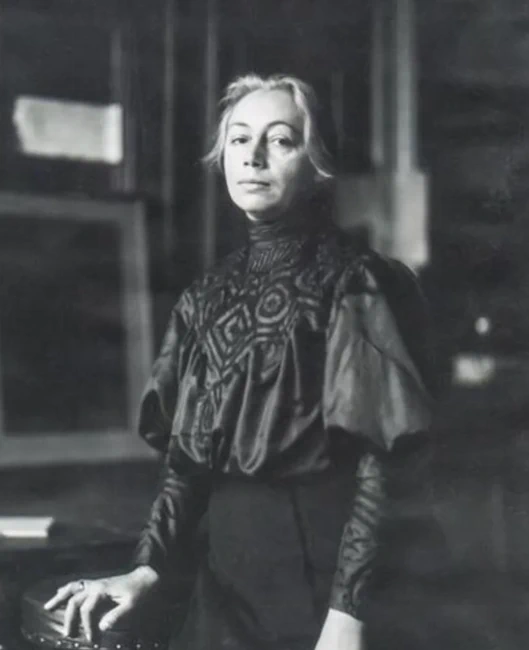
Who is Kathe Kollwitz and her sculptures Kathe Kollwitz - German Sculptor
-
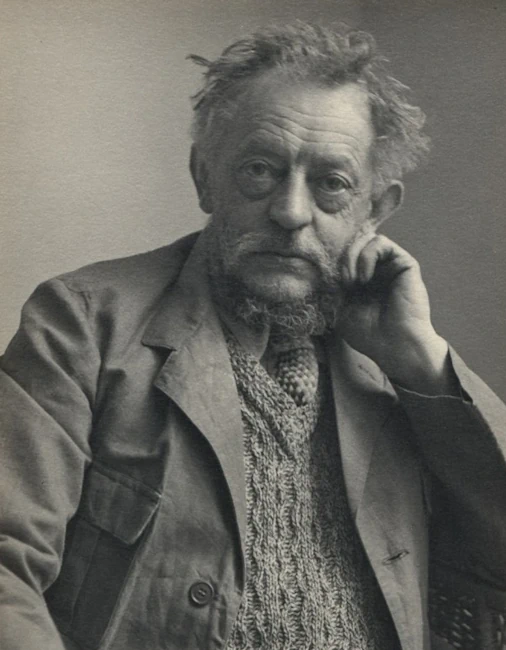
Who is Ernst Barlach and his sculptures Ernst Barlach - German Sculptor
-
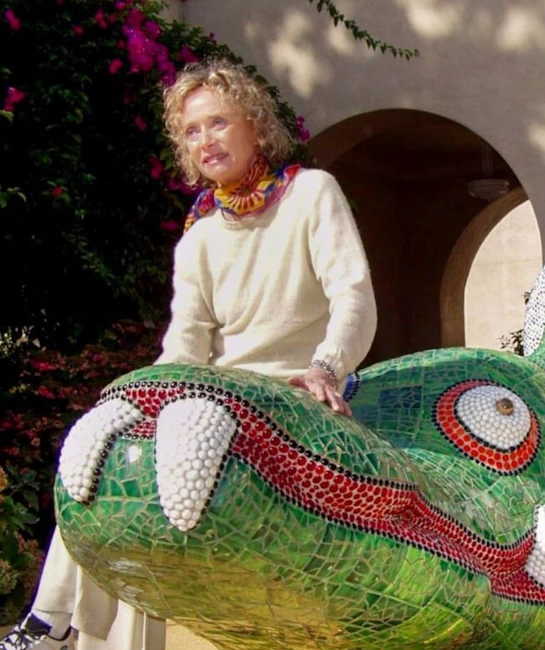
Who is Niki de Saint Phalle and her sculptures Niki de Saint Phalle - French Sculptor
-
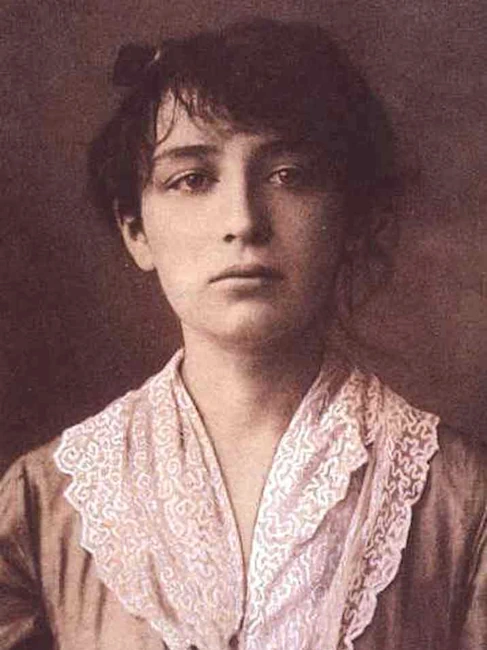
Who is Camille Claudel and her sculptures Camille Claudel - French Sculptor
-
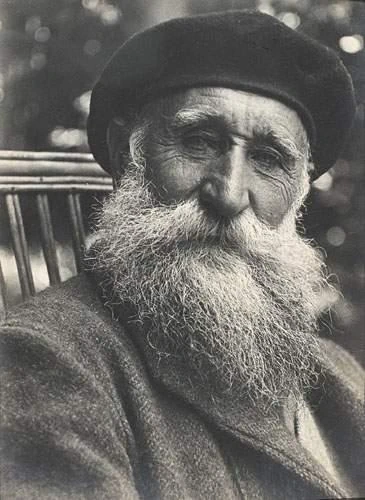
Who is Aristide Maillol and his sculptures Aristide Maillol - French Sculptor
-
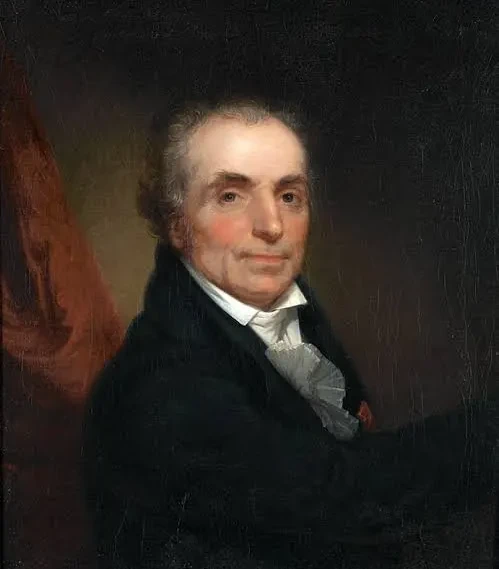
Who is Jean-Antoine Houdon and his sculptures Jean-Antoine Houdon - French Sculptor
-
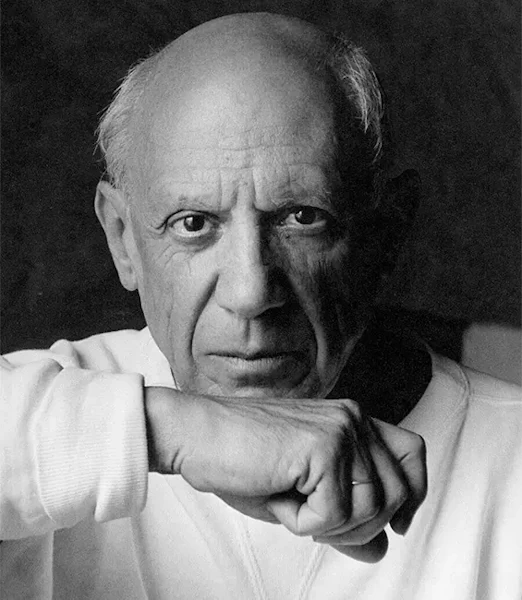
Who is Pablo Picasso and his sculptures Pablo Picasso - Spanish Sculptor
-
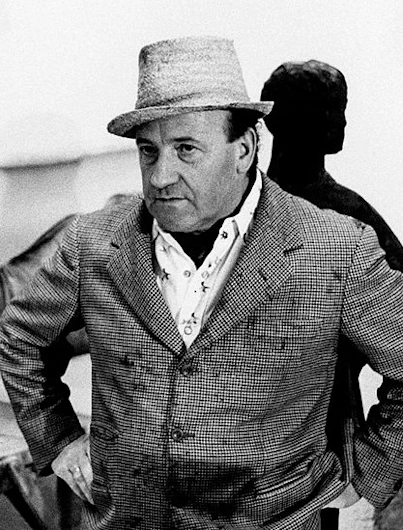
Who is Giacomo Manzu and his sculptures Giacomo Manzu - Italian Sculptor
-
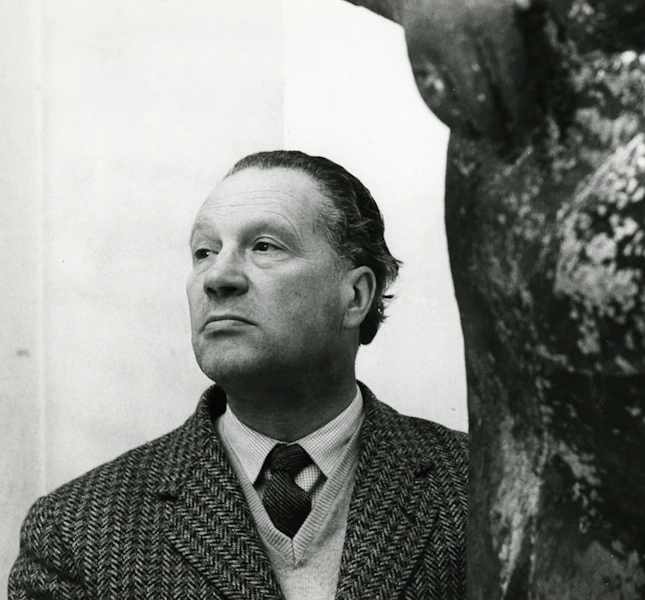
Who is Marino Marini and his sculptures Marino Marini - Italian Sculptor
-
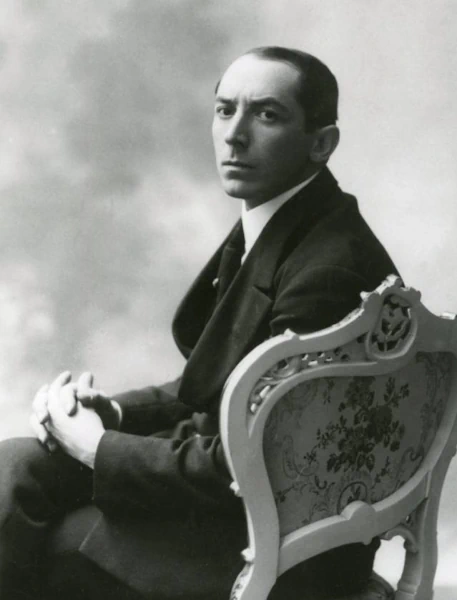
Who is Umberto Boccioni and his sculptures Umberto Boccioni - Italian Sculptor
-
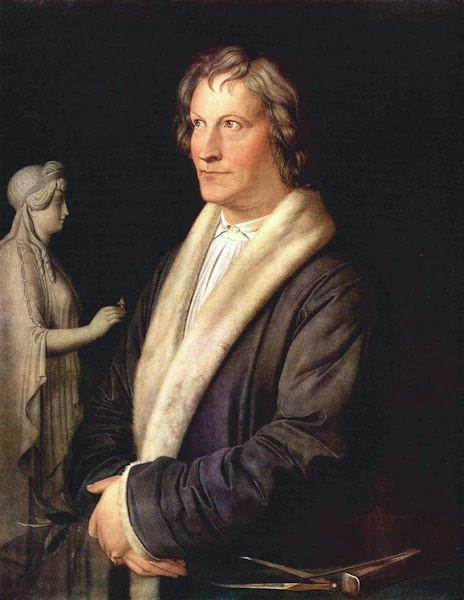
Who is Bertel Thorvaldsen and his sculptures Bertel Thorvaldsen - Danish Sculptor
-
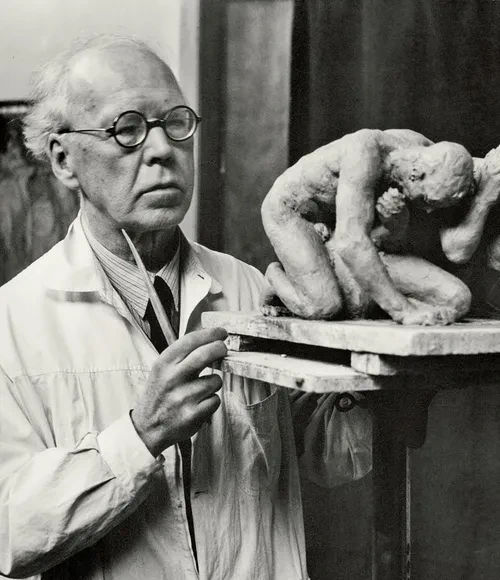
Who is Georg Kolbe and his sculptures Georg Kolbe - German Sculptor
-
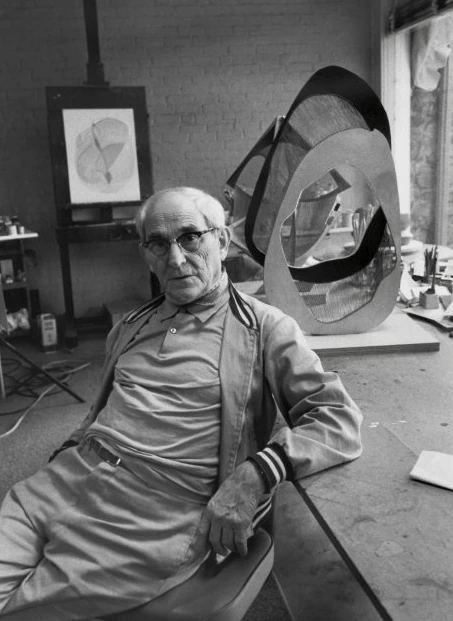
Who is Naum Gabo and his sculptures? Naum Gabo - Russian Sculptor
-
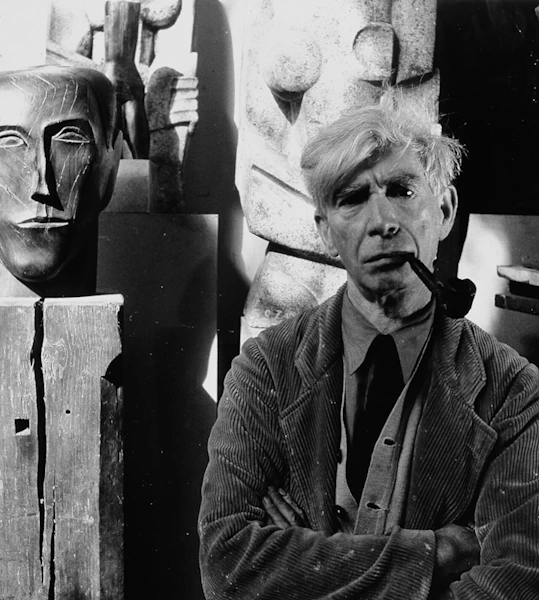
Who is Ossip Zadkine and his sculptures? Ossip Zadkine - Russian-French Sculptor
-
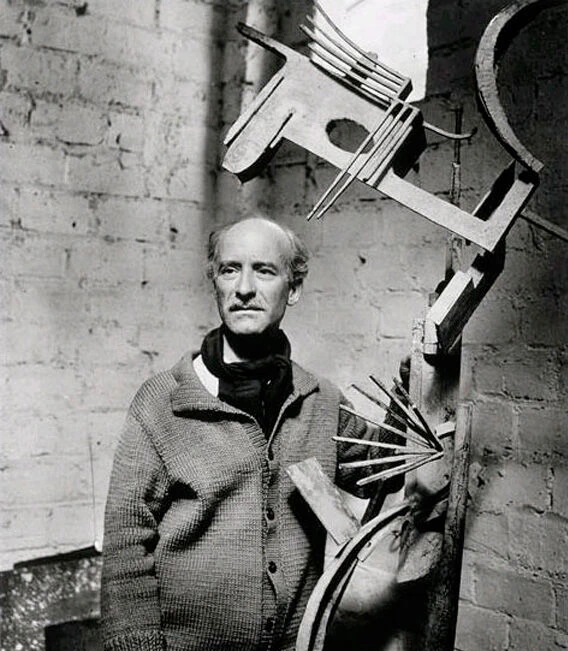
Who is Julio González and his sculptures? Julio González - Spanish Sculptor
-
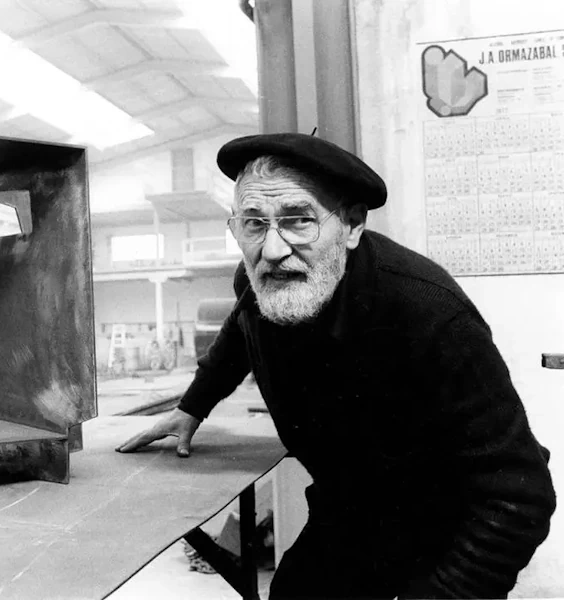
Who is Jorge Oteiza and his sculptures? Jorge Oteiza - Spanish Sculptor
-
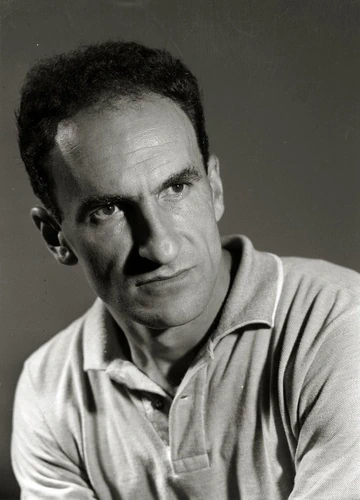
Who is Eduardo Chillida and his sculptures? Eduardo Chillida - Spanish Sculptor
-
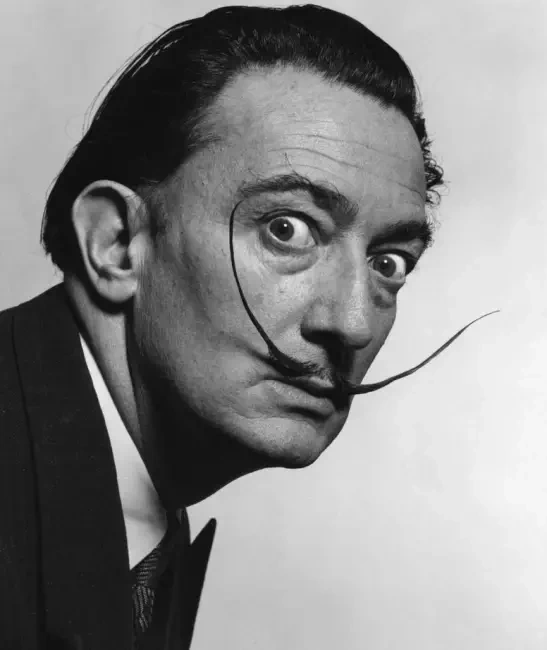
Who is Salvador Dalí and his sculptures? Salvador Dalí - Spanish Sculptor
-
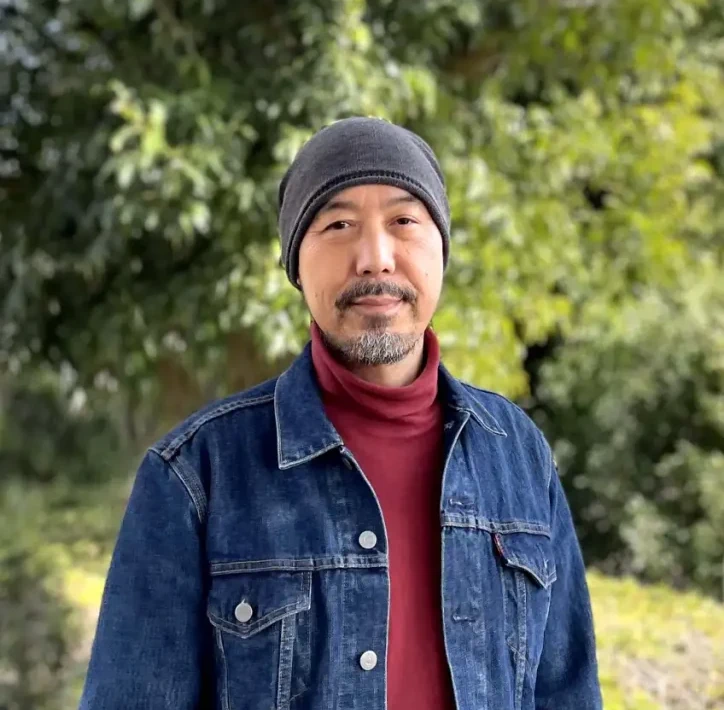
Who is Toshiyuki Enoki and his sculptures Toshiyuki Enoki - Japanese Sculptor
-
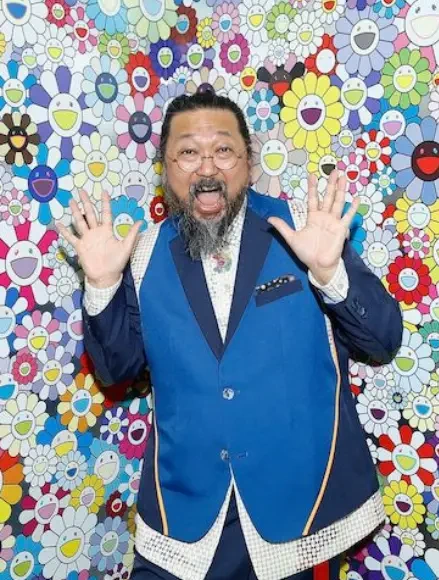
Who is Takashi Murakami and his sculptures Takashi Murakami - Japanese Sculptor
-
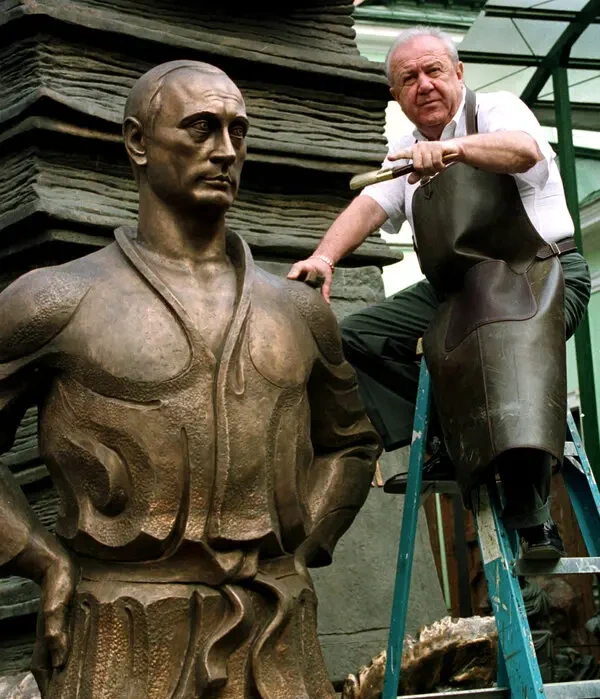
Who is Zurab Tsereteli and his sculptures Zurab Tsereteli - Georgian Sculptor
-
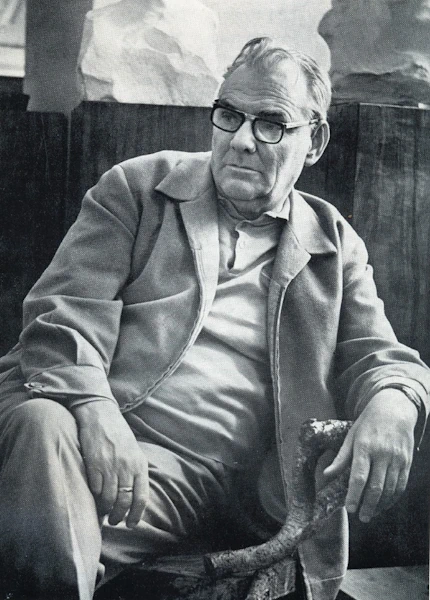
Who is Yevgeny Vuchetich and his sculptures Yevgeny Vuchetich - Russian Sculptor
-
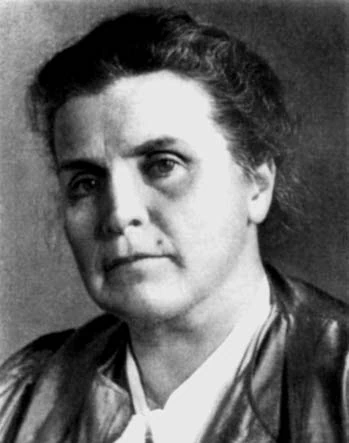
Who is Vera Mukhina and her sculptures Vera Mukhina - Russian Sculptor
-
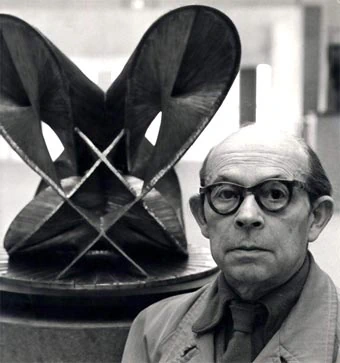
Who is Antoine Pevsner and his sculptures Antoine Pevsner - Russian Sculptor
-
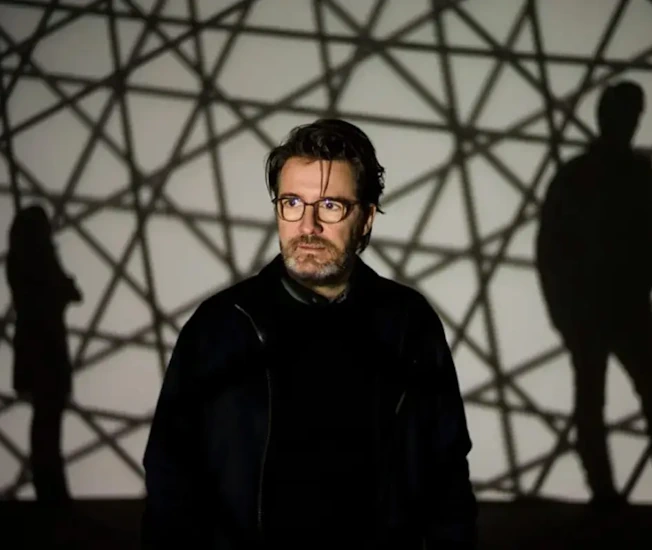
Who is Olafur Eliasson and his sculptures Olafur Eliasson - Sculptor
-
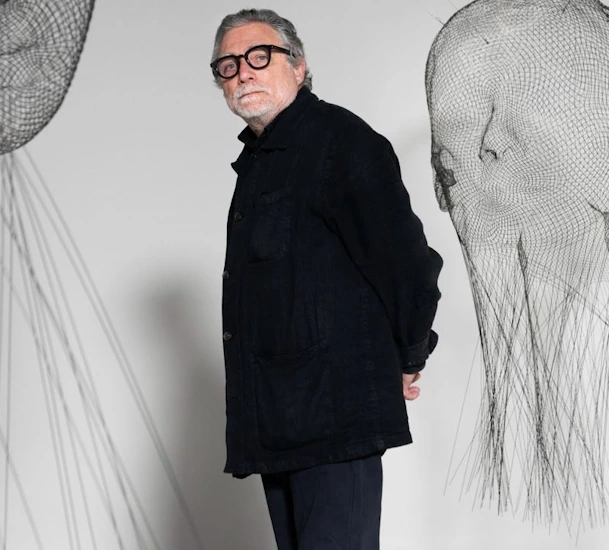
Who is Jaume Plensa and his sculptures Jaume Plensa - Spanish Sculptor
-
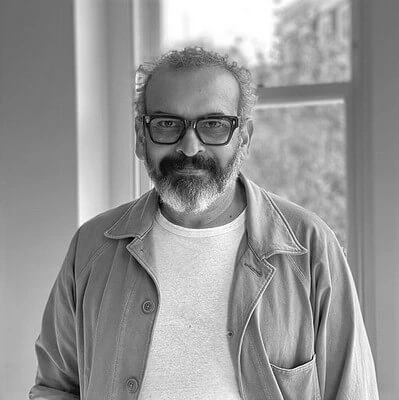
Who is Subodh Gupta and his sculptures Subodh Gupta - Indian Sculptor
-
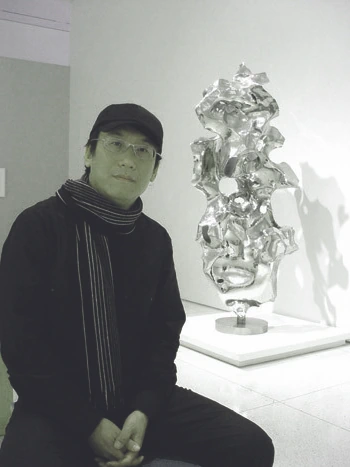
Who is Zhan Wang and his sculptures Zhan Wang - Chinese Sculptor
-
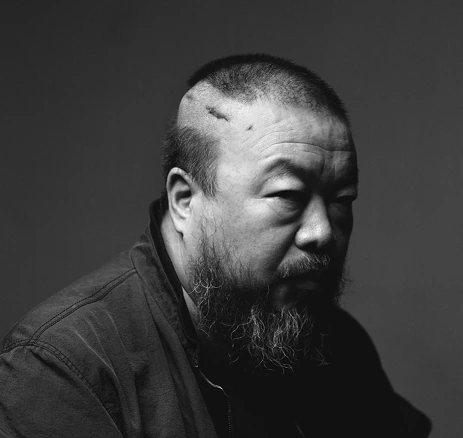
Who is Ai Weiwei and his sculptures Ai Weiwei - Chinese Sculptor
-
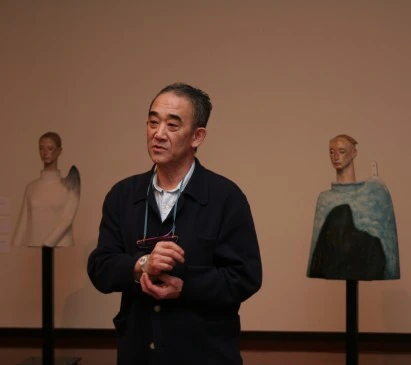
Who is Katsura Funakoshi and his sculptures Katsura Funakoshi - Japanese Sculptor
-
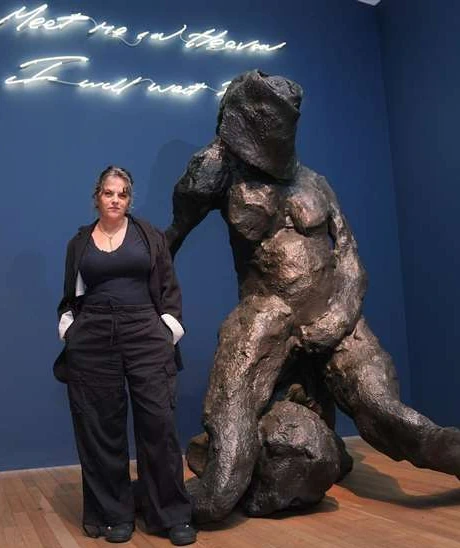
Who is Tracey Emin and her sculptures Tracey Emin - British Sculptor
-
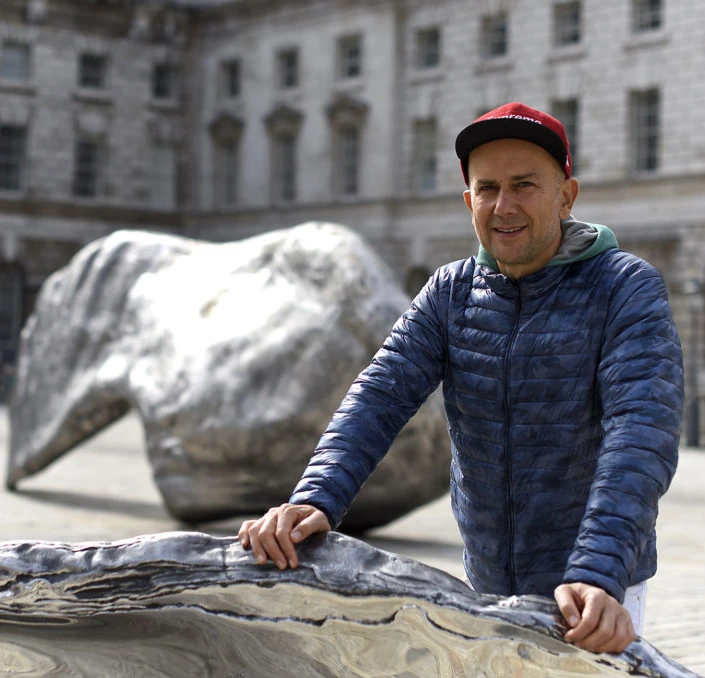
Who is Marc Quinn and his sculptures Marc Quinn - British Sculptor
-
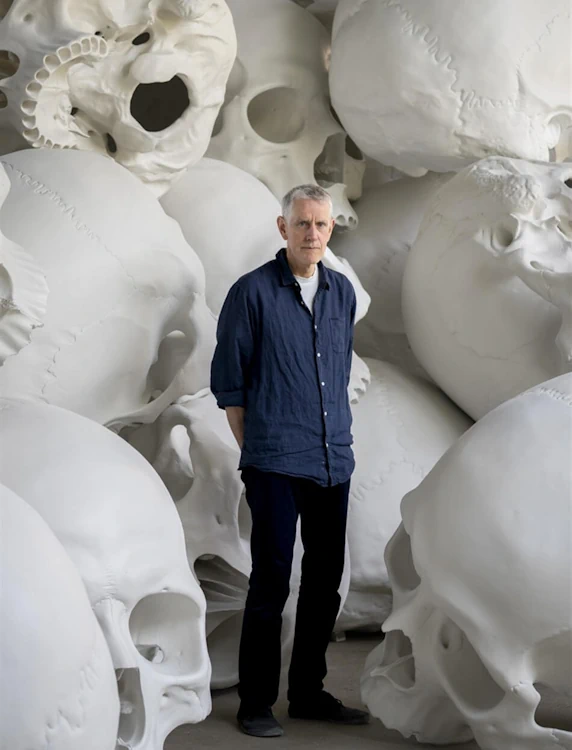
Who is Ron Mueck and his sculptures Ron Mueck - Australian Sculptor
-
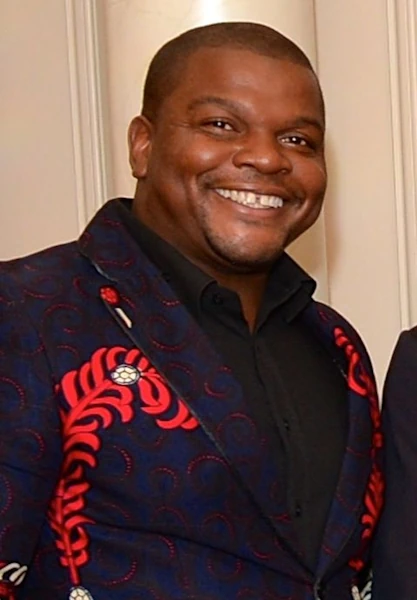
Who is Kehinde Wiley and his sculptures Kehinde Wiley - American Sculptor
-
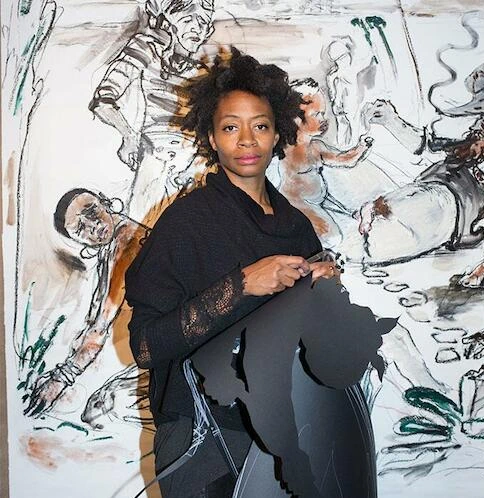
Who is Kara Walker and her sculptures Kara Walker - American Sculptor
-
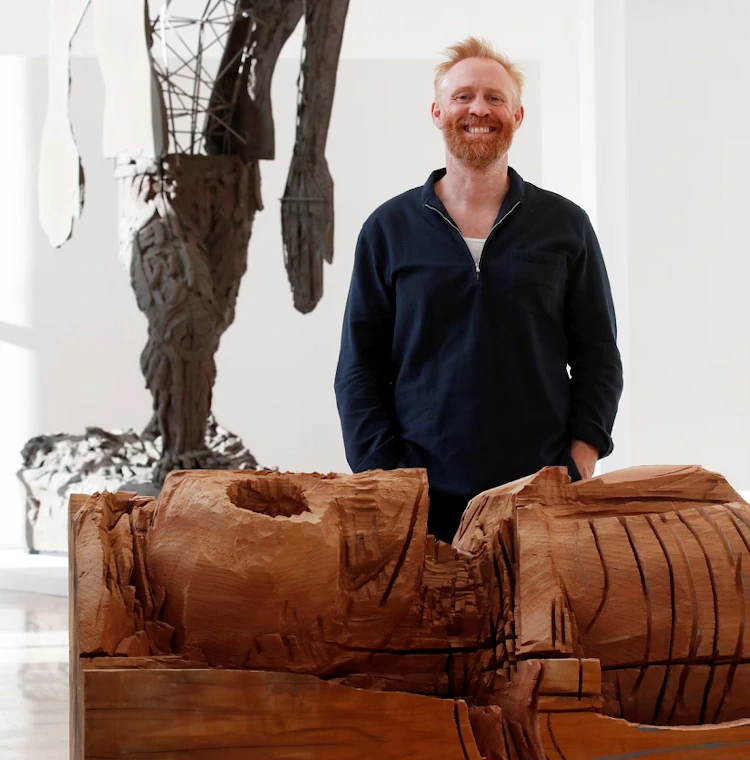
Who is Thomas Houseago and his sculptures Thomas Houseago - British Sculptor
-
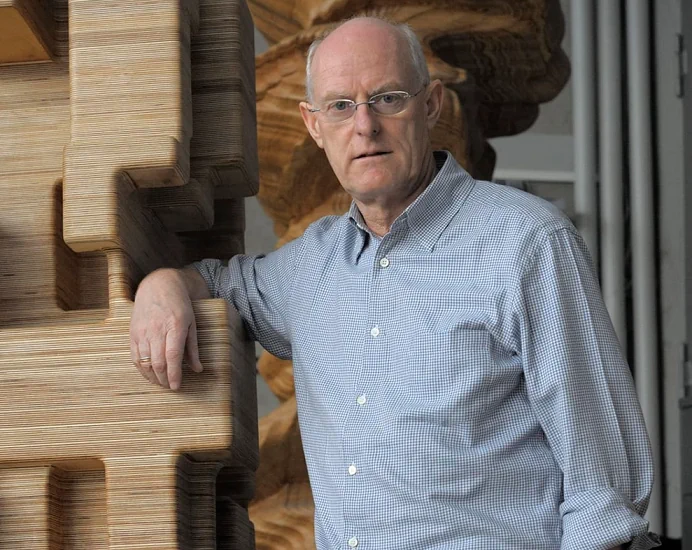
Who Is Tony Cragg and what sculptures did he make Tony Cragg - British Sculptor
-
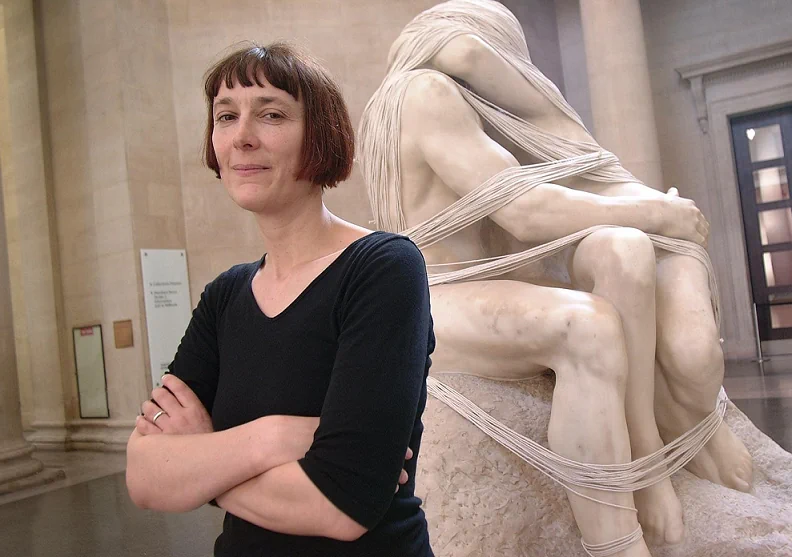
About Cornelia Parker - Detailed Information Cornelia Parker - British Sculptor
-
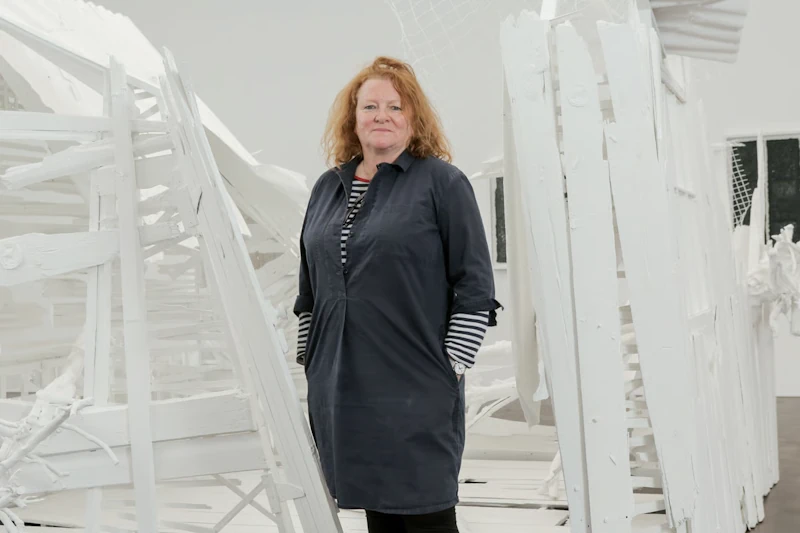
Who is Rachel Whiteread, information about the artist Rachel Whiteread - British Sculptor
-
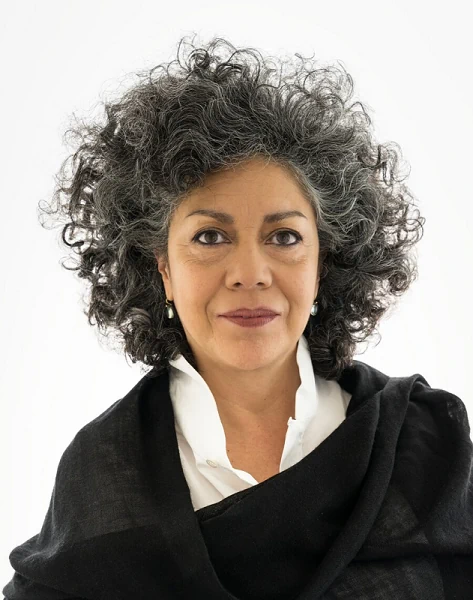
Who is Doris Salcedo, information about the artist Doris Salcedo - Colombian Sculptor
-
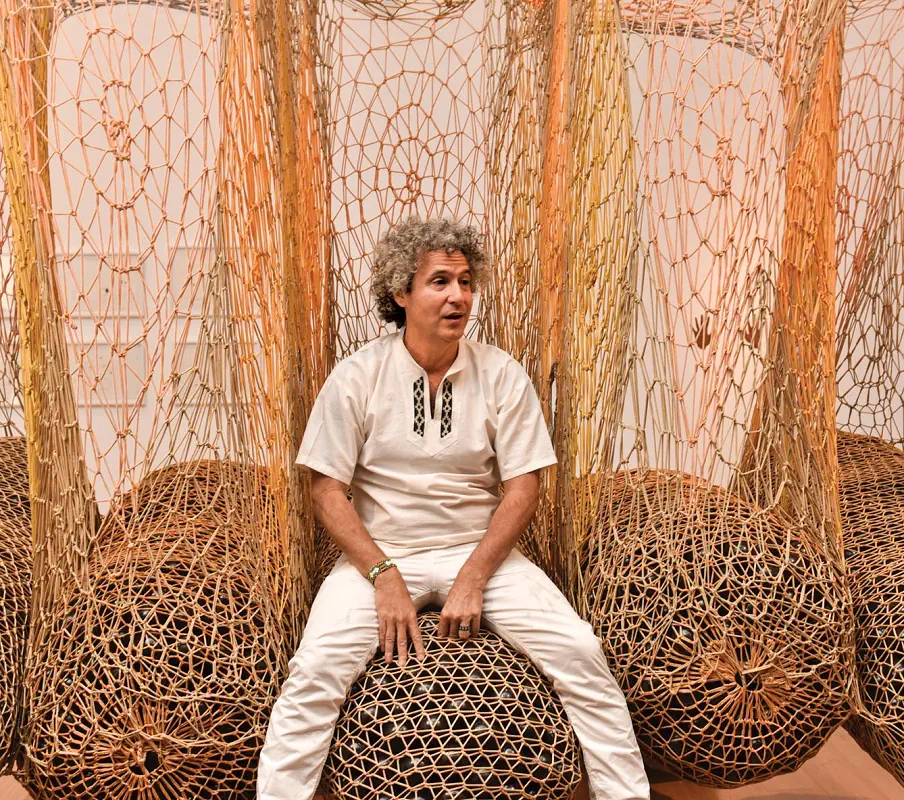
Who is Ernesto Neto? Information about the artist Ernesto Neto - Brazilian Sculptor
Sculpture Product Categories
Frequently Asked Questions - FAQ
World-famous sculptors have emerged from many countries, most notably Italy, France, Spain, Germany, England and Russia. Italy became the center of sculptural art with Renaissance giants such as Michelangelo and Donatello. France shaped modern sculpture through Rodin and Camille Claudel. Spain produced strong figures in both traditional and avant-garde lines with Picasso, Salvador Dali and Eduardo Chillida. Asian countries such as Japan, China and India have also contributed important sculptors with distinctive styles to world art over the last century.
Female sculptors have had to struggle for many years in a male-dominated field throughout art history. Camille Claudel went down in history as one of the most powerful sculptors of her era, despite living in Rodin's shadow. Kathe Kollwitz left a deep mark on the art world by expressing social suffering and human drama through sculpture. Niki de Saint Phalle became a pioneer of feminist art with her colorful and liberating works. Today, figures such as Rachel Whiteread, Kara Walker and Tracey Emin powerfully represent the female perspective on the most prestigious platforms of contemporary art.
For a sculptor to become world-famous, they must develop an original style, question the artistic understanding of their era and establish a universal language. Michelangelo transcended his age by elevating human anatomy to perfection, while Rodin did so by reflecting emotion in a raw and realistic way. Finding a place in international museums, winning prestigious art awards and attracting critical attention are also among the factors that strengthen global recognition. In addition, producing works that carry social, political or philosophical messages greatly increases a sculptor's lasting impact.
The roots of sculpture date back to the earliest periods of human history. In ancient Greece, Pheidias is recognized as the greatest master of his time with the Athena and Zeus statues on the Athenian Acropolis. Praxiteles brought a new breath to sculpture with the delicacy of his marble craftsmanship and the soft expressions he gave to his figures. In ancient Egypt, although their names are not known, the masters who created colossal works such as the Sphinx and Ramses II are among the first great sculptors in history. These figures have continued to inspire generations of artists for centuries.
A sculptor's style is distinguished from other artists through the materials they use, their understanding of form, surface craftsmanship and the meaning they embed in their work. While muscle tension and dramatic expression come to the fore in Michelangelo's works, pure and abstract forms dominate in Brancusi's pieces. While some sculptors prefer bronze and marble, artists such as Ron Mueck are known for their hyperrealistic resin figures. Subject selection is also defining; while Kathe Kollwitz focuses on themes of pain and grief, Niki de Saint Phalle stands out with joyful and colorful figures. All these elements together form an artist's unique signature.
Famous sculptors have not only created works of art but also reshaped the intellectual and aesthetic understanding of their eras. Michelangelo became the symbol of the Renaissance by elevating the human body to a divine beauty. Rodin broke academic molds and opened the door to modern sculpture. Picasso brought cubism into three dimensions, eliminating the boundaries between sculpture and painting. Contemporary figures such as Ai Weiwei and Doris Salcedo transformed sculpture into a form of action by translating political and humanitarian messages into the language of art. These contributions have gone down in history as a force that reinvents sculpture in every age.