Ulus Statue
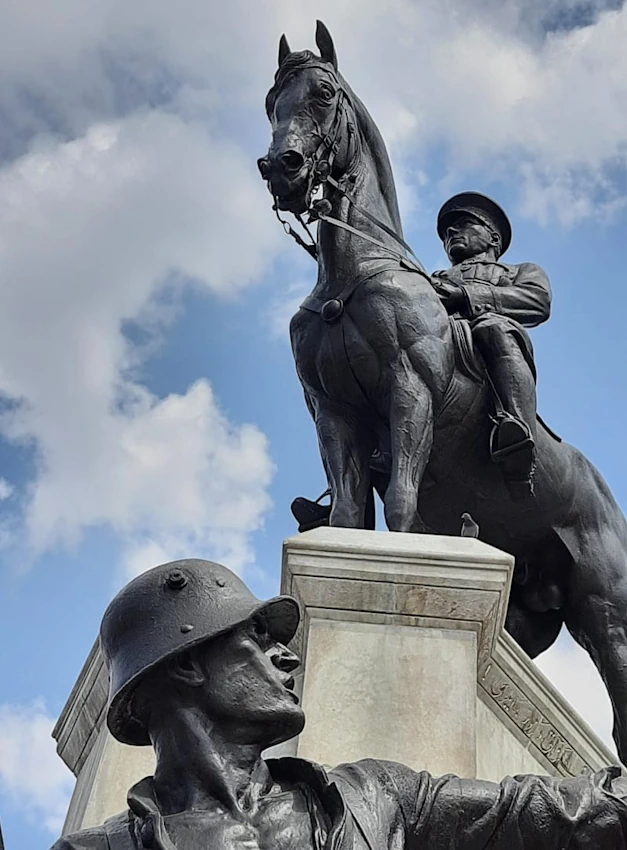
The Ulus Statue is one of the best-known monuments in Ankara, officially called the Victory Monument. This bronze work shows Mustafa Kemal Ataturk on horseback. It rises in the middle of Ulus Square in the Altindag district and is regarded as one of the strongest symbols left from the early years of the Republic. For anyone looking for information about the Ulus Statue, the key facts are these: the sculptor was the Austrian artist Heinrich Krippel, the monument was unveiled in 1927, and it is one of the first major public sculptures Ankara gained after becoming the capital.
Where Is the Ulus Statue in Ankara?
The Ulus Statue in Ankara stands in Ulus Square, considered the historic center of the city. The square is close to Ankara Castle and the Hamamonu district, so it is easy to reach from many parts of the city. Visitors who get off at the Ulus stop of the Ankara Metro can walk to the monument in a few minutes. Many city bus and minibus lines also pass around the square. Because the monument stands in an open area, you can see it at any hour of the day, and there is no entrance fee.
Who Made the Ulus Statue?
The answer to who made the Ulus Statue, a question many people ask, is Heinrich Krippel. The Austrian sculptor was invited to Turkey in the 1920s and worked on the first monumental statues of the Republic. The Ataturk statue at Sarayburnu in Istanbul is also known as his work. The preparations for the Ankara monument were carried out in Austria, and the statue was brought to Turkey in pieces and assembled in the square. Krippel's realistic and powerful style gave the monument a serious and imposing look.
When Was the Ulus Statue Built?
The short answer to when the Ulus Statue was built is 1927. Ankara was declared the capital in 1923, and the institutions of the new state quickly gathered in the city. The idea of erecting a victory monument in the square took shape in the mid-1920s, and the commission and construction were completed within a few years. The monument was opened with a ceremony in 1927. Important buildings such as Ankara Palas were added to the city in the same years, and Ulus soon became the showcase of the new regime.
Ataturk Depiction on the Statue
On the monument, Ataturk is shown in military uniform, sitting upright on a horse. The horse appears to step slightly forward, while the rider has a calm and determined expression. This composition highlights his identity as the commander in chief of the War of Independence. The dark, polished surface of the bronze makes the details stand out in daylight. Because the statue stands on a tall pedestal, it can be seen easily from many points in the square. This placement also strengthens the monument's presence in the city skyline.
Ulus Monument Pedestal and Reliefs
Another feature that makes the Ulus Statue special is its stone pedestal. Its surfaces carry reliefs that tell the story of the War of Independence and the struggle of the Anatolian people. Soldiers, civilians helping the front, and victory scenes show that the monument represents not just one person but an entire social resistance. Visitors can walk around the monument and examine these scenes one by one. For photography lovers, the reliefs offer especially striking images in the side light of the afternoon.
History of Ulus Square in Ankara
The area where the monument stands holds a special place in the modern history of Ankara. The square takes its name from the word "ulus," meaning nation, and is linked to the idea of national sovereignty. The First Parliament, opened in 1920, met in this district and led the War of Independence. The Second Parliament Building, built later, is now used as the Republic Museum. The square developed as a center of political decision-making and also as a bazaar and trade area. The Victory Monument was placed right in the middle of this dense historic fabric.
Ulus Statue Ceremonies and Meaning
The Ulus Statue is a meeting point and a place of shared memory for the people of Ankara. On special days such as Republic Day on October 29, April 23, and August 30, institutions and schools lay wreaths here. Over the years, countless photos, from wedding pictures to school trips, have been taken in front of this monument. Visitors coming to the city for the first time often start their route from this point. In this way, the monument remains a living symbol in both official ceremonies and daily life.
Places to Visit Near the Ulus Statue
Anyone planning an Ulus Square walking route will find many important stops right around the statue. The Republic Museum and the First Parliament Building are in the same area. Ankara Palas is among the historic buildings within a short distance of the square. Visitors who walk a little further can reach the Museum of Anatolian Civilizations, Ankara Castle, and the restored Ankara houses of Hamamonu. The Roman Bath and the Temple of Augustus are other important stops in Ulus. This route makes it possible to see both the Republic's history and the ancient past of Ankara in a single day.
Date Added: