What Is Oxidation?
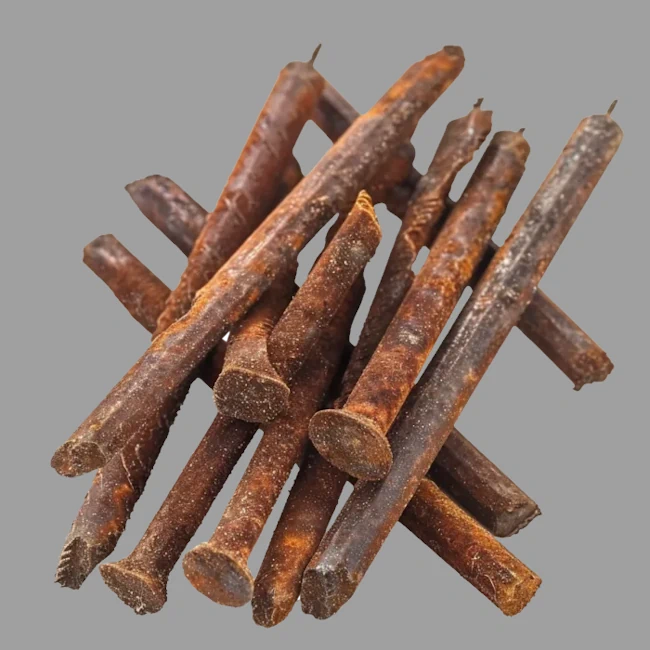
Oxidation is the chemical change process that occurs on the surface of a material as a result of contact with oxygen. Especially in metal sculptures, this process begins when the metal atoms on the surface interact with oxygen molecules in the air. As a result of this interaction, a thin oxide layer forms on the surface of the metal. Over time, this layer changes the natural color of the metal and gives the sculpture a distinctive appearance. In artworks, the oxidation process is often regarded not as unwanted deterioration but as a natural transformation that enhances aesthetic value.
How Does the Oxidation Process Work in Metal Sculptures?
In metal sculptures, the oxidation process progresses at different speeds depending on the type of material. Metals such as bronze, copper, iron, and steel take on different color tones when exposed to air. For example, copper based alloys develop a greenish patina layer over time, while iron based metals become covered with a reddish brown rust layer. These color changes are shaped by many factors such as humidity level, temperature, air pollution, and environmental conditions. Sculptures displayed outdoors oxidize much faster than those kept indoors.
The Artistic Value of Oxidation
For sculptors and artists, oxidation has become a technique that can be controlled and directed. Chemical patina applications can be used to accelerate the natural oxidation process or to achieve a specific color tone. With this method, artists add temporal depth to their works, giving them a story of aging. Oxidized surfaces reflect light from different angles, giving the sculpture a three dimensional texture feel. For this reason, oxidation appears as a consciously chosen aesthetic element in many modern and contemporary sculptures.
Factors That Affect Oxidation
The main factors that determine the speed of oxidation on metal surfaces include humidity level, ambient temperature, salty air, industrial pollution, and direct sunlight. Metal sculptures located in coastal regions oxidize faster due to the salt content in the air, while this process moves quite slowly in dry and temperate climates. In addition, the surface treatment, thickness, and alloy ratio of the metal directly affect the speed and pattern of oxidation. These differences allow each sculpture to gain a unique and unrepeatable appearance over time.
The Role of Oxidation in Sculpture Maintenance
The oxidation process does not always produce a desired result; in some cases, excessive corrosion can damage the structural integrity of the metal. For this reason, it is recommended that metal sculptures undergo regular maintenance and be supported with protective varnish or wax coatings. This helps preserve the aesthetic appearance of the work while also preventing uncontrolled progression of oxidation. Professional restorers determine protection methods suitable for the sculpture material structure, ensuring that oxidation remains an artistic enrichment rather than damage.
Date Added: