
Relief Sculptures
Relief sculptures are artistic works carved using the embossing technique on surfaces, adding depth to spaces. Frequently used in wall reliefs, facade designs, memorial areas, and interior decorations. Historical scenes, figurative narratives, and custom designs create a strong visual impact with relief technique. Relief sculptures produced with stone relief, marble embossing, and concrete-based materials can be custom-ordered in specific dimensions for both architectural and artistic projects. Embossed sculpture prices are determined based on size and detail density. Contact us for custom-designed relief works. Last Updated Date:
Our Works: Relief Sculptures
-
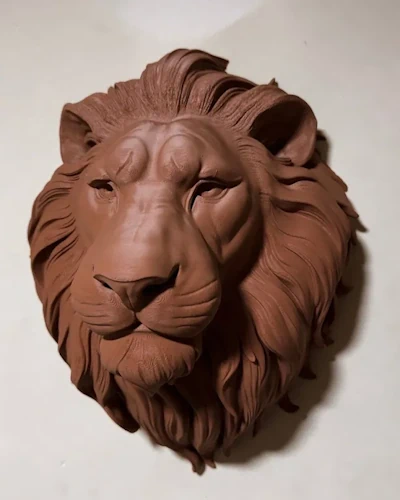
Decorative lion head wall mask with detailed mane and natural decor -
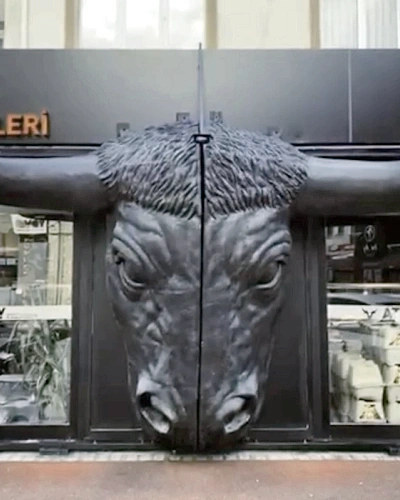
Bull head decorative sculpture integrated into an automatic door system Bull Head Decorative Door Sculpture
-
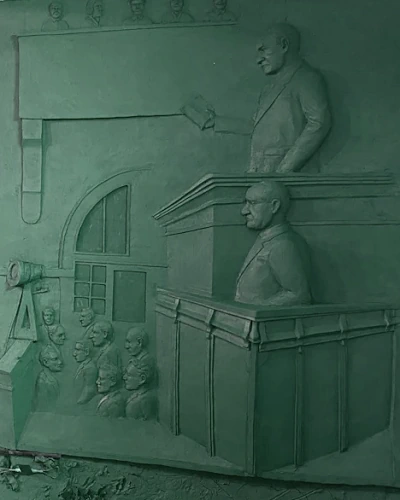
Relief sculpture of the Grand National Assembly and Republic's proclamation Republic Relief Sculpture
-
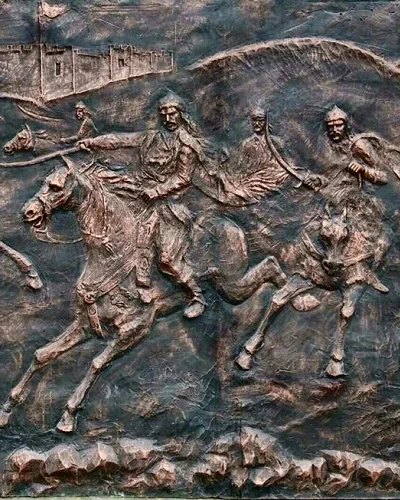
War of Independence bronze relief sculpture, Eastern Anatolia monuments War of Independence Relief Sculpture
-

Bronze relief featuring a Turkey map, produced for a municipal building Turkey Map Bronze Relief
-
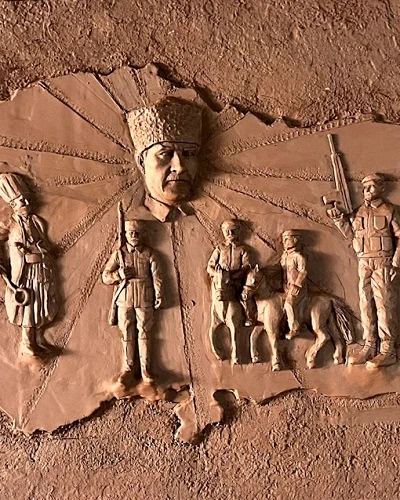
Clay relief on Turkey's map; military history figures Turkey's Relief
-
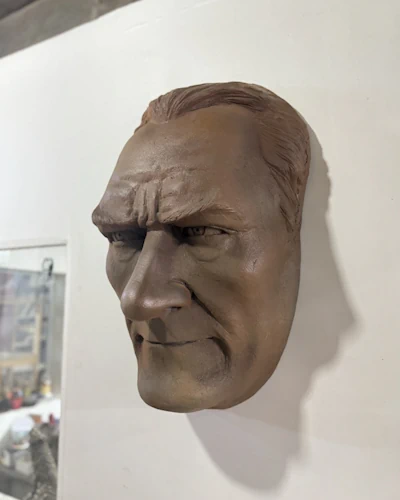
Handcrafted terracotta Ataturk face mask, wall decoration Ataturk Mask
-
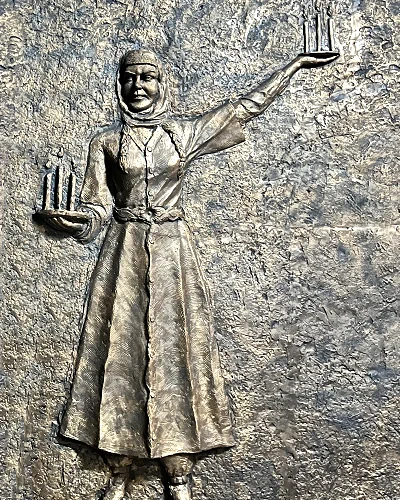
Handcrafted decorative wall relief that adds depth to your space Relief Wall Sculpture
-
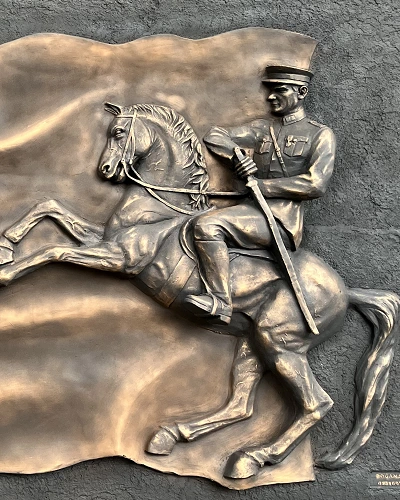
Sculpture Depicting Ataturk’s Arrival in Samsun Ataturk Relief Sculpture
Sculpture Product Categories
Sculpture Examples, Classic Designs
-
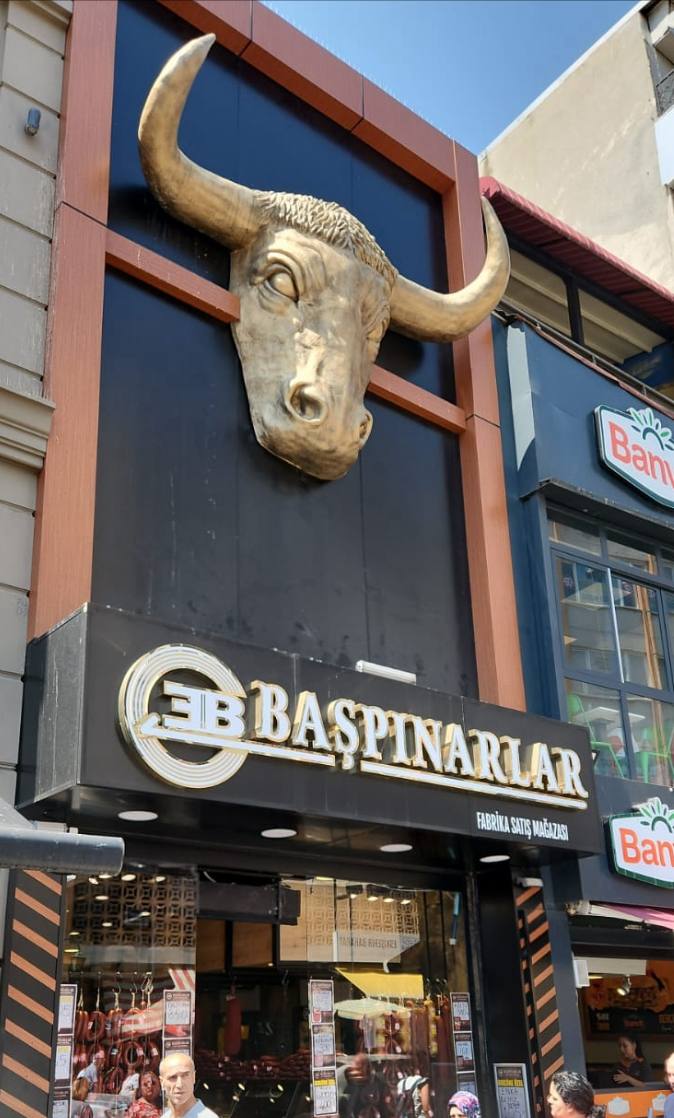
Bull head sculpture for butcher shops, outdoor fiberglass facade decoration Golden Bull Head Sculpture
-
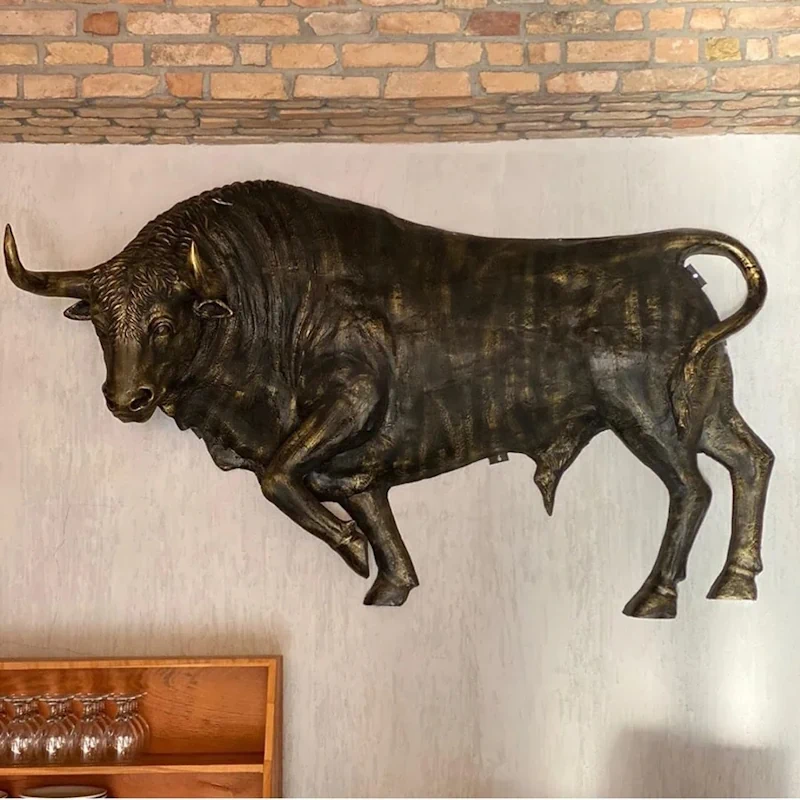
Bull Wall Decor Relief Sculpture Bull Wall Decor
-
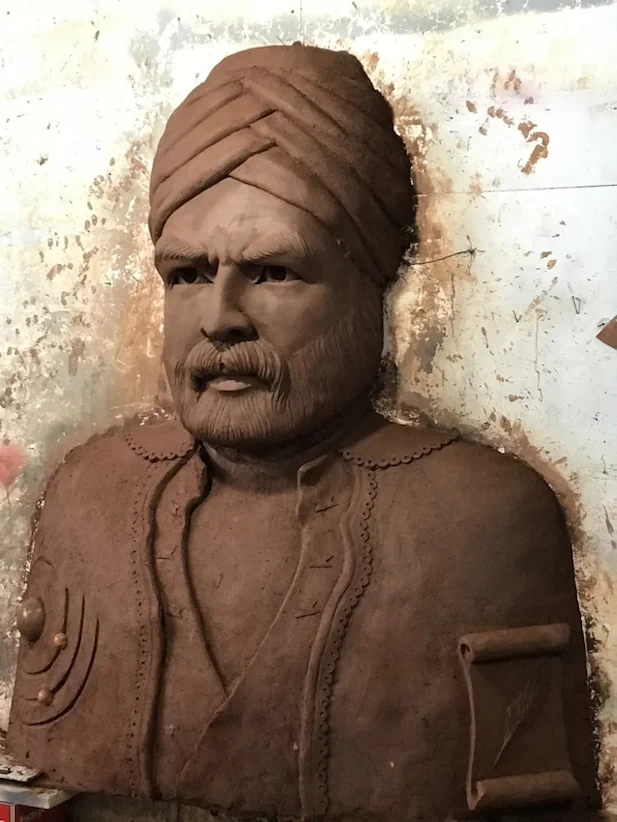
Ahmedi Khani relief — handcrafted, bronze patina, custom order Ahmedi Khani Sculpture
-
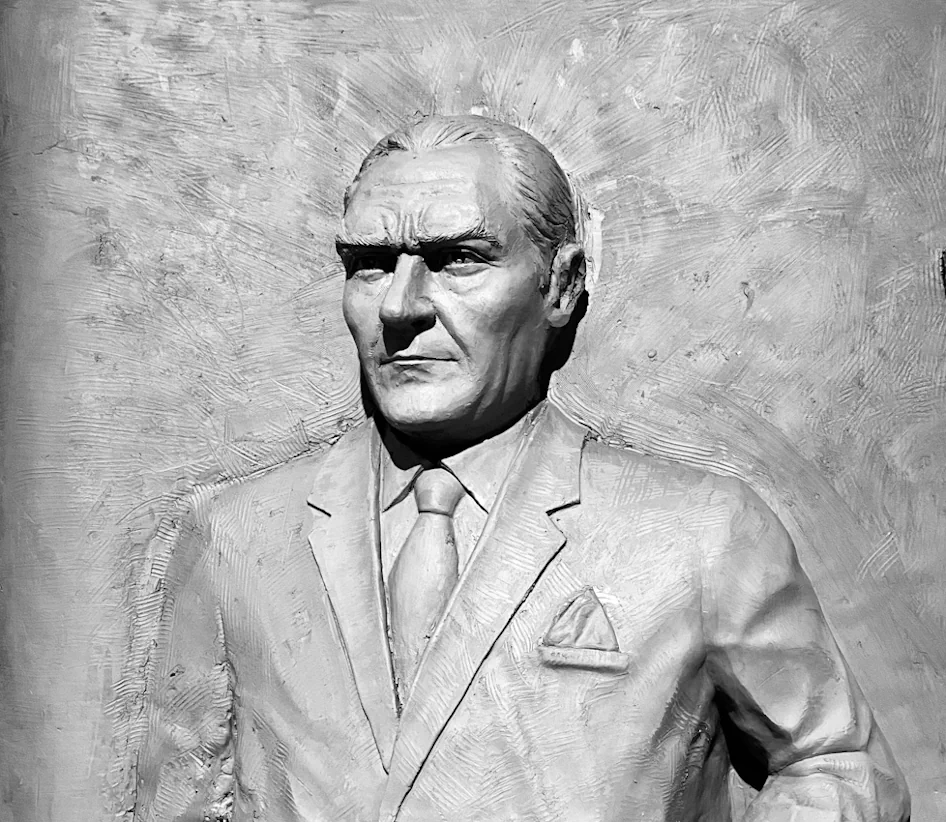
Suit-wearing Ataturk portrait, custom-finished executive relief Ataturk Portrait Executive Relief
-
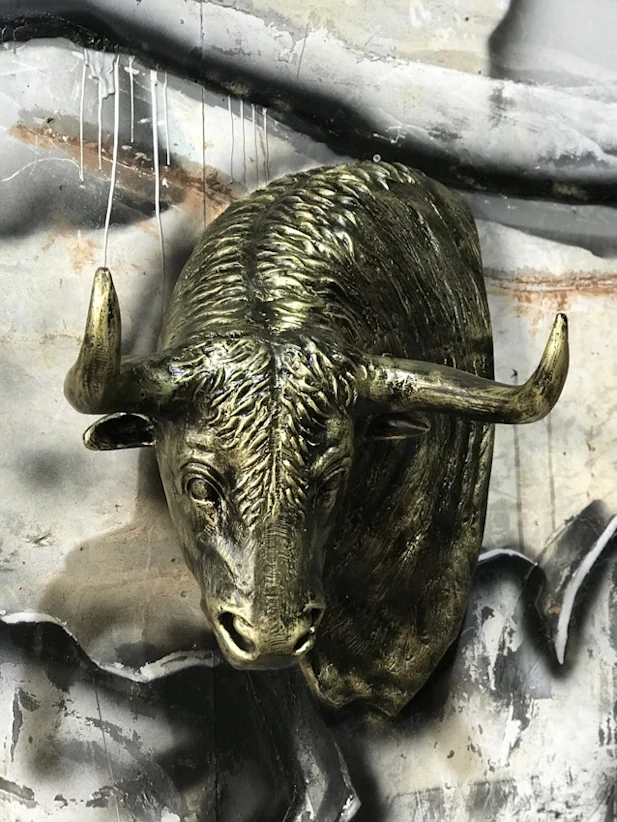
Decorative corporate artwork to be used as wall decor Bull Wall Decor Relief
-
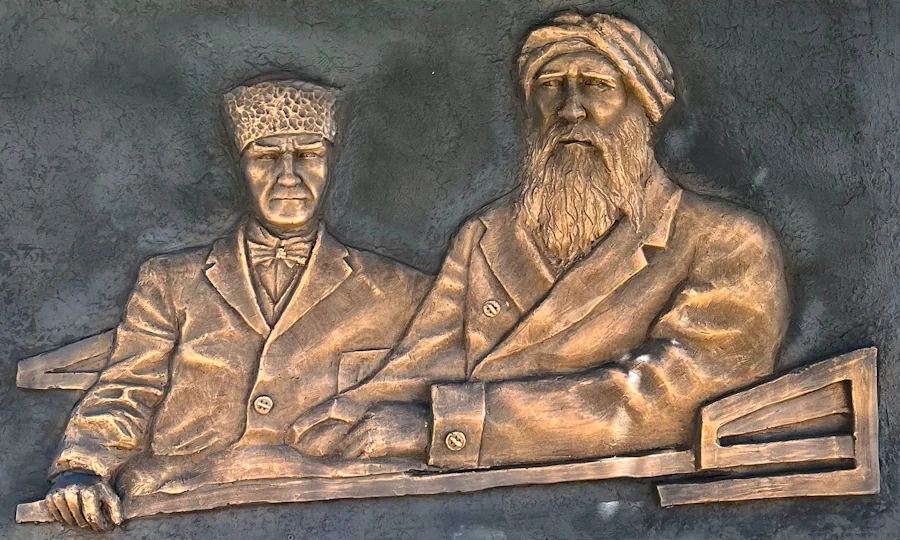
Diyap Agha and Ataturk – War of Independence Relief Sculpture Diyap Agha Ataturk Sculpture
-
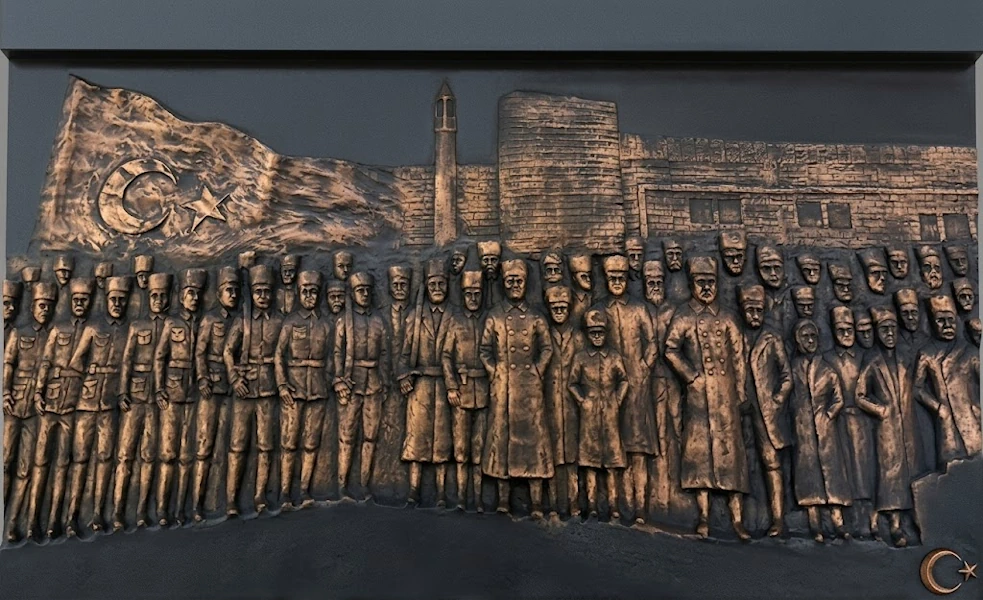
The Relief Sculpture: A Symbol of Liberation from Enemy Occupation Liberty Statue
-
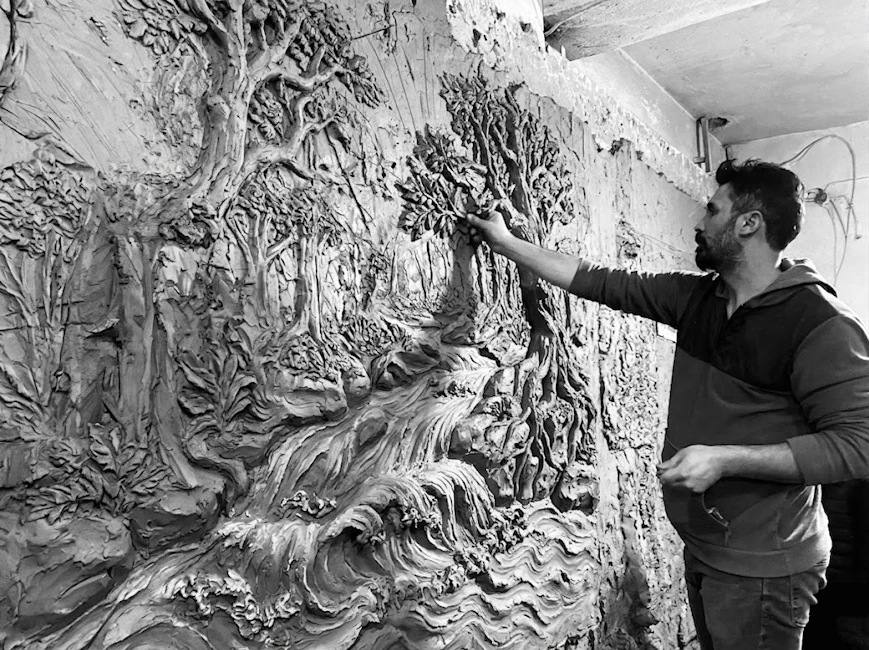
Nature Statue: Life Reflected from the Hands of the Earth to the Wall Nature Statue
-
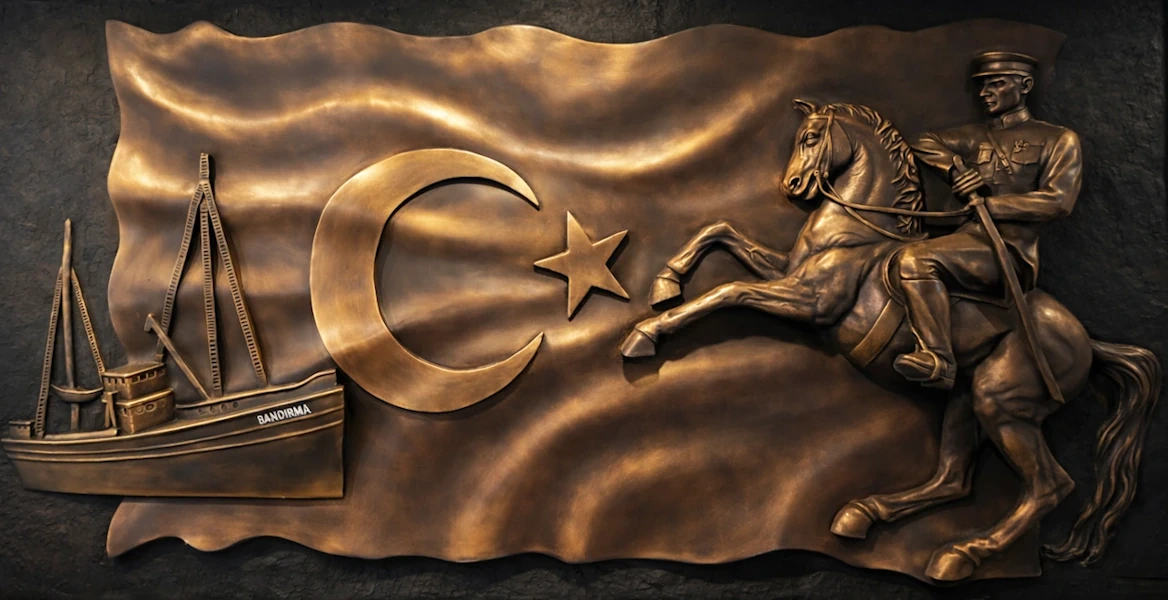
Relief sculpture work created in memory of Ataturk's landing in Samsun May 19 Sculpture
-
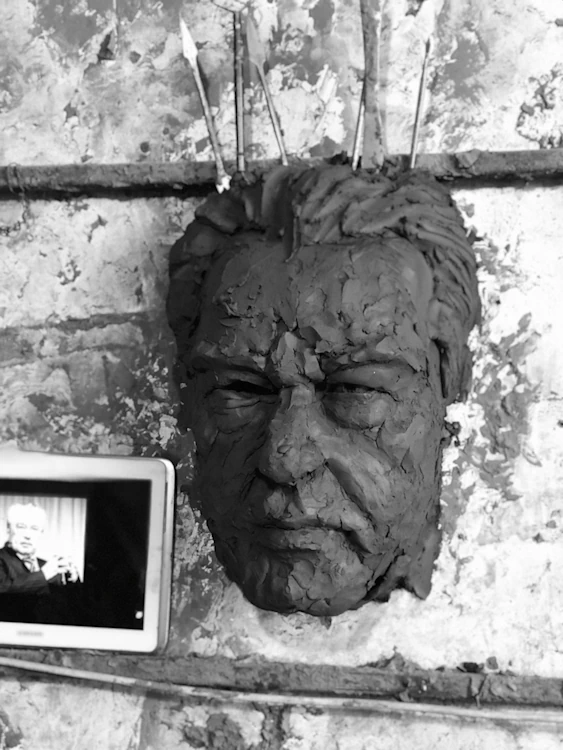
Easy clay sculpture making models and examples Easy Sculpture
-
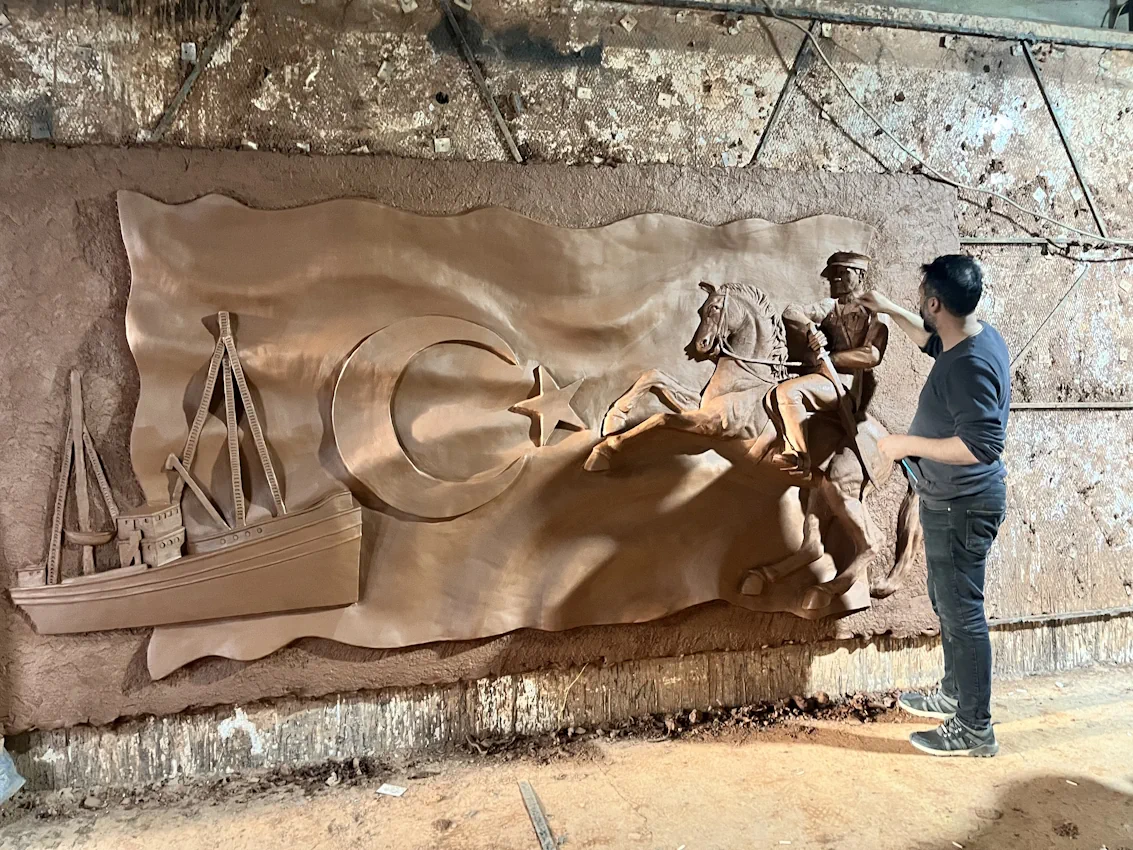
Large clay relief work featuring Turkish flag and equestrian commander figure Large Relief
-
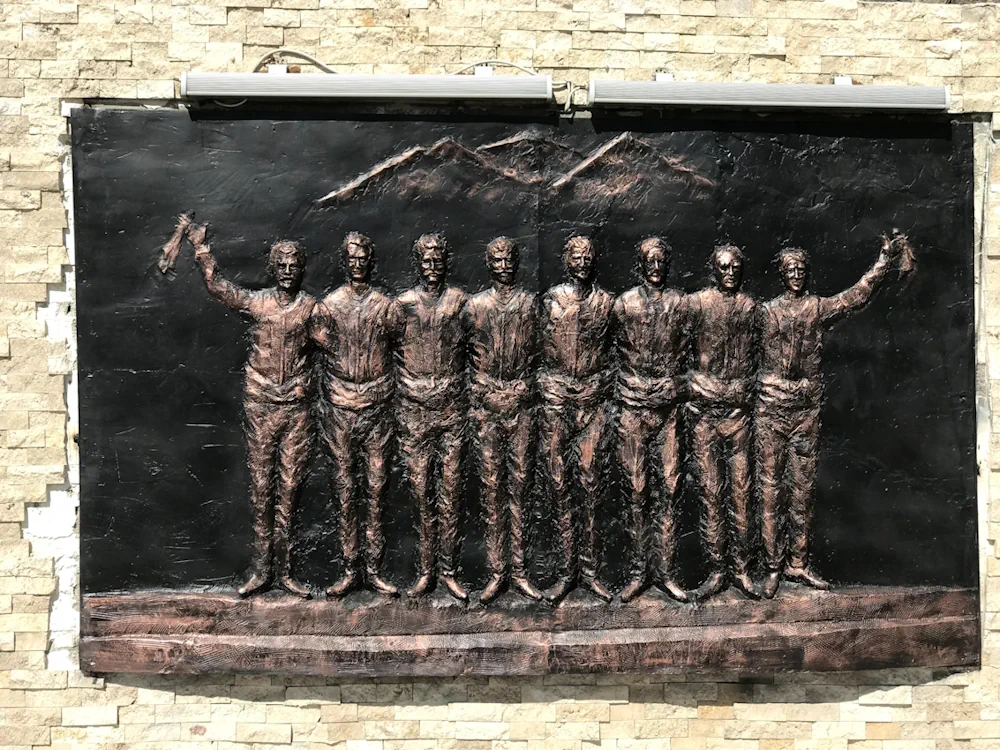
Relief painting designs, prices, and production Relief Painting
Relief Sculptures FAQ
Relief is the art of embossing or indenting on a surface and acts as a bridge between the arts of sculpture and painting. Unlike full-size sculptures, reliefs are attached to a ground and are usually designed to be viewed from a single direction. The artist creates light and shadow plays by using depth differences on the surface, thereby giving a three-dimensional volume to figures or patterns.
Relief sculptures are used in a wide variety of areas thanks to their ability to fill large surfaces with an artistic language. In architectural projects, building exterior facades, pediments above entrance doors, and large wall surfaces in interiors are the places where reliefs are most frequently seen. In addition, large panels depicting historical events in memorial parks, decorative bands in public buildings, and symbolic reliefs on tombstones are also application areas of this art.
In relief art, two basic distinctions are made according to the depth level: High relief (alto-rilievo) and low relief (basso-rilievo). In high relief, the figures project significantly from the ground, sometimes appearing almost like a full sculpture and remaining attached to the background only at a small point; this technique creates strong depth and dramatic shadows. In low relief, the level of embossing is quite low, the figures rise very little from the surface and are more like a drawing that has gained volume.
The mounting process of reliefs is meticulously planned according to the size, weight of the work, and the structure of the surface to be mounted. Small and light decorative panels can be easily hung with the help of hidden hanging apparatus or special adhesives on their back. However, more professional methods are required for large-scale and heavy architectural reliefs; in this case, steel frames placed inside the work are fixed to the holes drilled in the wall with chemical anchors and screws.
The relief material to be used in exterior applications must be extremely resistant to variable weather conditions and corrosion. Among the most preferred materials for this purpose are fiberglass reinforced composites (GRP), precast concrete, natural stone (marble, travertine), and cast metals (bronze, aluminum). While composite materials do not bring additional load to the building thanks to their lightness, they show extraordinary resistance to external factors. Natural stone and metal castings offer a classical weight and prestige.
In interiors, reliefs are the most stylish decorative elements used to add artistic depth and texture to walls. They are generally preferred in the form of large panels on the main walls that are the focal point in living rooms, in the gaps above the fireplace, or in the dining room sections. In prestigious areas such as offices and hotel lobbies, the walls behind the reception are ideal spots for processing corporate logos or thematic scenes as reliefs.