What is Epoxy?
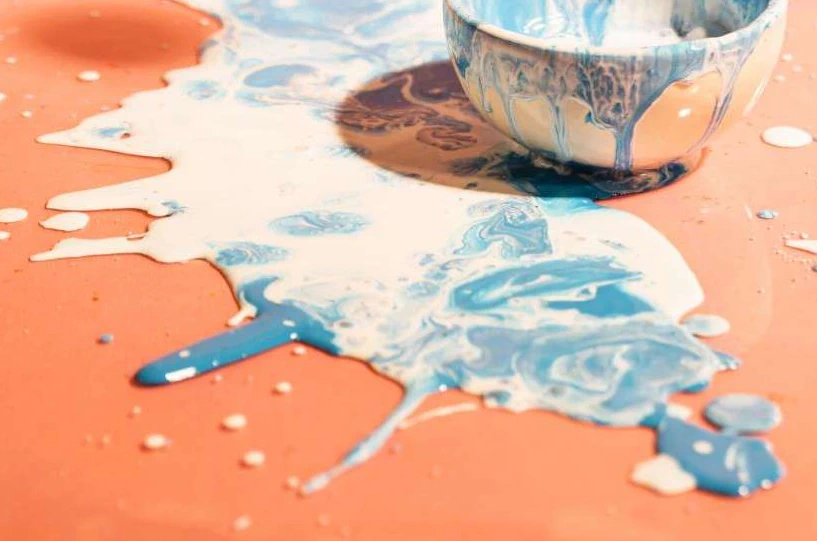
Epoxy is a polymer system that initiates a chemical reaction by mixing two separate components — resin and hardener — resulting in an extremely hard, durable, and adhesive material. Widely used in sculpture and restoration as an adhesive, filler, and casting material, epoxy has become an indispensable material in the plastic arts due to its excellent mechanical properties and versatility.
Properties of Epoxy
Once cured, epoxy offers extremely high tensile and compressive strength. It demonstrates strong resistance to moisture, chemicals, and heat. Epoxy provides excellent adhesion to surfaces and bonds successfully to glass, metal, wood, stone, and many types of plastic. Epoxy resin delivers a crystal-clear surface in transparent formulations, while pigments can be added to produce it in any color. Curing time can range from a few minutes to several hours depending on the mixing ratio and ambient temperature.
Use of Epoxy in Sculpture
Epoxy is used for multiple purposes in the art of sculpture. As an adhesive, epoxy is the first material of choice for repairing broken or fragmented sculptural works. As a filler, cracks, missing sections, and voids on surfaces are repaired using epoxy putty or filler compound. As a casting material, epoxy resin is poured into molds to produce hard and durable sculptural pieces. In particular, transparent epoxy casting technology offers artists the opportunity to create unique works by embedding various objects within the material. Epoxy is the first and most effective compound to use for damaged sculptures.
What Is Epoxy Used For and Where Is It Applied
Epoxy plays an extremely critical role in the restoration of antique and historical sculpture works. Specially formulated epoxy products are used to repair broken marble arms, detached bronze pieces, and cracked ceramic surfaces. The most important characteristic of restoration epoxy is that the intervention is reversible; meaning additions can be removed by specialists when necessary and re-bonded without causing damage to the original material. This property makes epoxy an indispensable material in museum and restoration settings.
Tips for Working with Epoxy
There are several important points to consider when working with epoxy. The resin and hardener components must be mixed precisely in the ratios specified by the manufacturer; otherwise the material will not cure properly. A slow and careful motion should be preferred during mixing to prevent the formation of air bubbles. The use of gloves is mandatory as skin contact can cause allergic reactions. Given that heat is released during curing, the risk of rapid hardening and cracking in large volumes of epoxy mixture must be taken into account.
Date Added: