What is a Motif?
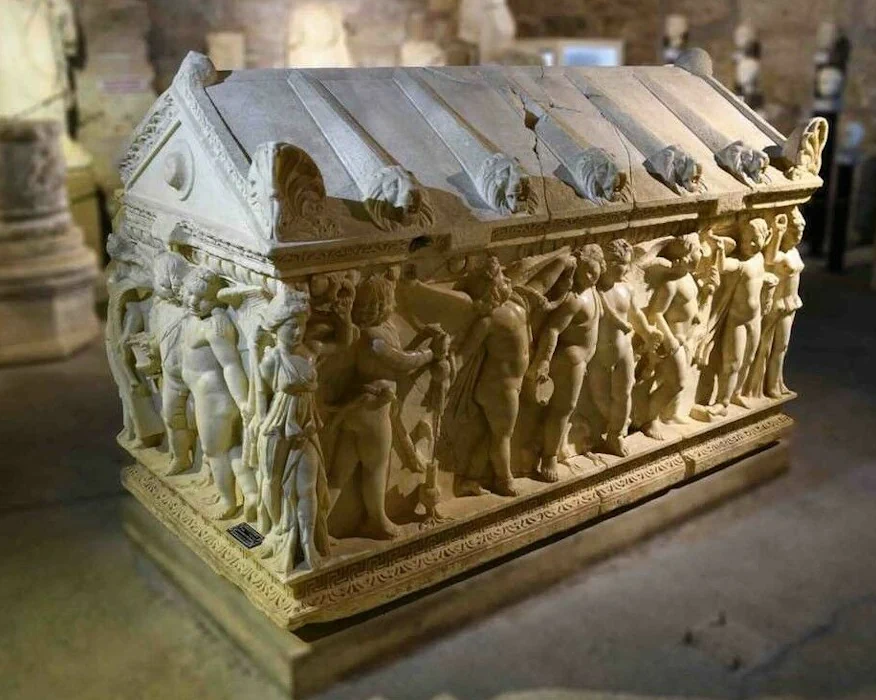
Motif is a visual, auditory, or conceptual theme that stands out as a recurring or defining element in works of art. Sculpture, architecture, painting, and decorative arts are among the fields where motif forms one of the fundamental building blocks that shape the visual identity of a work. A motif capable of carrying meaning on its own can become the starting point of complex compositions through repetition and transformation.
Use of Motif in Sculpture
The use of motif in sculpture covers an extraordinarily broad spectrum. Vegetal motifs are forms inspired by nature, such as the acanthus leaf, palm, lotus, and ivy. Geometric motifs consist of shapes based on mathematical order, such as spirals, meanders, interlace patterns, and stars. Figurative motifs encompass humans, animals, and mythological beings. The choice of sculpture motif directly reflects the cultural origin, period, and semantic content of a work; for this reason, motif analysis is used as a defining method in art history research.
The Importance of Cultural Motifs
Every culture has created its own tradition of motifs. In Islamic art, arabesque motifs symbolizing eternity and divine unity have been used across a wide range spanning from architecture to miniature painting. The elibelinde, ram's horn, and amulet motifs found in Anatolian rugs and kilims form a symbolic language of their own. In ancient Greece, the meander motif, symbolizing the endless movement of flowing water, was widely used in architectural ornamentation. In the field of sculpture, these cultural motifs have also been frequently employed in pedestal decorations, relief panels, and the garments of figures.
The Difference Between Motif and Symbol
Motif and symbol are closely related yet distinct concepts. While a symbol points to a specific and fixed meaning, a motif carries a more flexible and context-dependent significance. The same motif can acquire different meanings across different cultures and may remain open to varying interpretations even within the same culture across different periods. This flexibility makes motif an exceptionally dynamic and generative concept in artistic production. Sculptors consciously select motifs to reinforce the cultural and historical connections of their works.
Motif Today
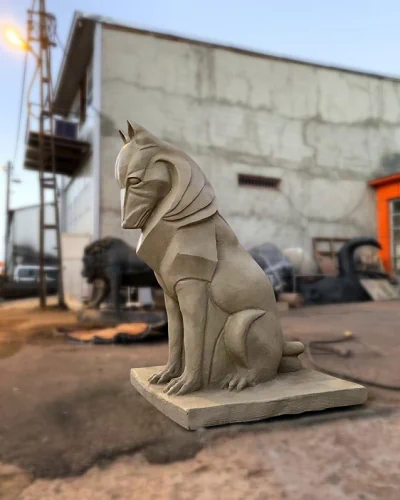
In contemporary sculpture, traditional motifs are being reinterpreted and conveyed through a modern visual language. Artists who bring together traditional Anatolian motifs and abstract sculptural forms reflect both their local identity and their desire to participate in universal artistic dialogue. In public sculpture and monuments, the choice of motif frequently carries a social message and reinforces the identity of the city or institution in which it is situated.
The Function of Motif in Composition
A motif fulfills both a structural and an aesthetic function within the whole of a work. Creating rhythm through repetition, the motif guides the viewer's eye and lends dynamism to the composition. The repetition of a motif at different scales or angles provides the work with both coherence and depth. In sculpture, this function is particularly evident in friezes and the relief series that serve as their continuation. The use of a motif in transformed or mirrored form brings the artist's creative interpretation to the fore, offering the opportunity to express tradition in a new form.
Date Added: