What is Anthracite?
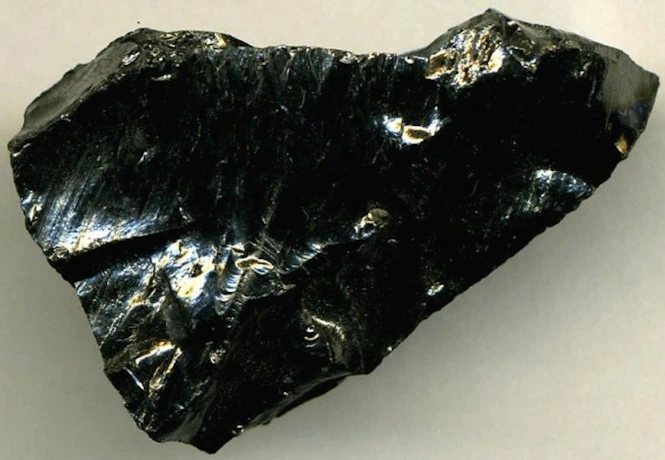
Anthracite is the highest rank of coalification and appears in the world of art and sculpture both as a material and a color concept. In terms of mineralogy, anthracite is a type of coal that is shiny, hard, and has low moisture content. As a color, it defines a deep tone between dark gray and black with a metallic luster. In the fields of art and design, the color anthracite is identified with elegance, power, and a contemporary aesthetic understanding.
Anthracite Color and Sculpture Art
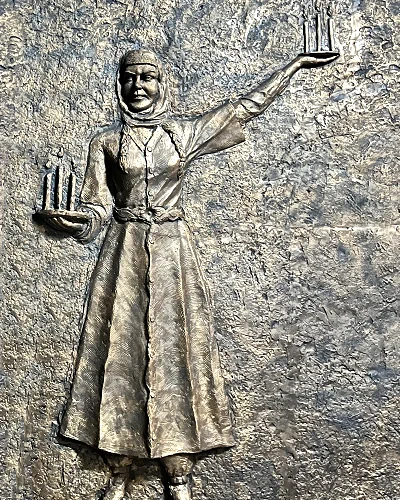
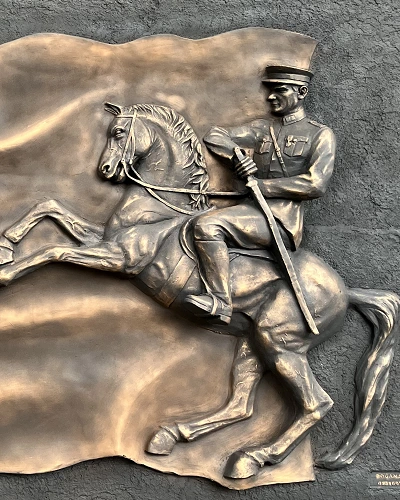
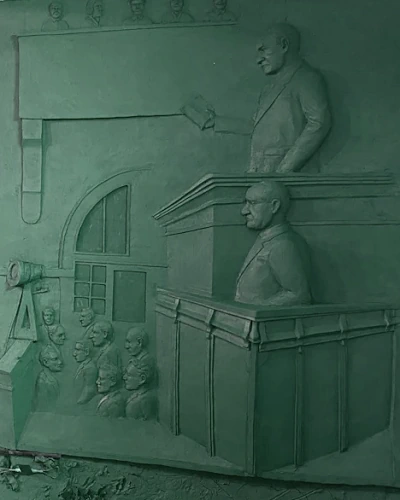
The color anthracite is very widely used in the art of sculpture. Particularly, bronze and steel sculptures where patina and surface treatments are applied are preferred to achieve anthracite tones. This dark metallic tone gives sculptures a sense of seriousness, weight, and a monumental character. Anthracite patina application is a surface process frequently preferred in monument and bust sculptures, enhancing both the visual and tactile quality of the work.
Anthracite as a Material
Some contemporary artists use anthracite itself directly as a sculpture material. The shiny and dark surface of anthracite, along with its sharp and distinct layered structure, makes it a visually highly attractive material. Artists coming from the tradition of stone carving create works by sculpting anthracite blocks that both highlight the natural properties of the material and reflect their own formal understanding. The carbon-based structure and geological history of anthracite add a sense of temporality and a deep connection with nature to this material.
Anthracite and Industrial Aesthetics
Anthracite holds a privileged place in the industrial aesthetic understanding that developed in the 20th and 21st centuries. Anthracite tones combined with raw concrete surfaces, steel constructions, and unprocessed metal surfaces form a dominant visual language in contemporary architecture and public art. This aesthetic understanding appears in a wide range of applications such as monument sculptures, urban furniture, and architectural surface coatings. In this context, anthracite is read not just as a color but as a symbol of a specific era and production approach.
The Difference Between Anthracite and Similar Colors
The color anthracite is distinctly separated from similar dark tones such as gray, black, and navy blue. Anthracite, which does not reach the total darkness of black, differs from black with the metallic luster it contains. Surpassing the coldness and superficiality of gray tones, anthracite possesses an inherent depth and weight. This unique quality makes anthracite a powerful color value preferred in both art and industrial design. We also used it slightly and in the initial stages while working on our Aircraft statue.
Date Added: