What is ceramic?
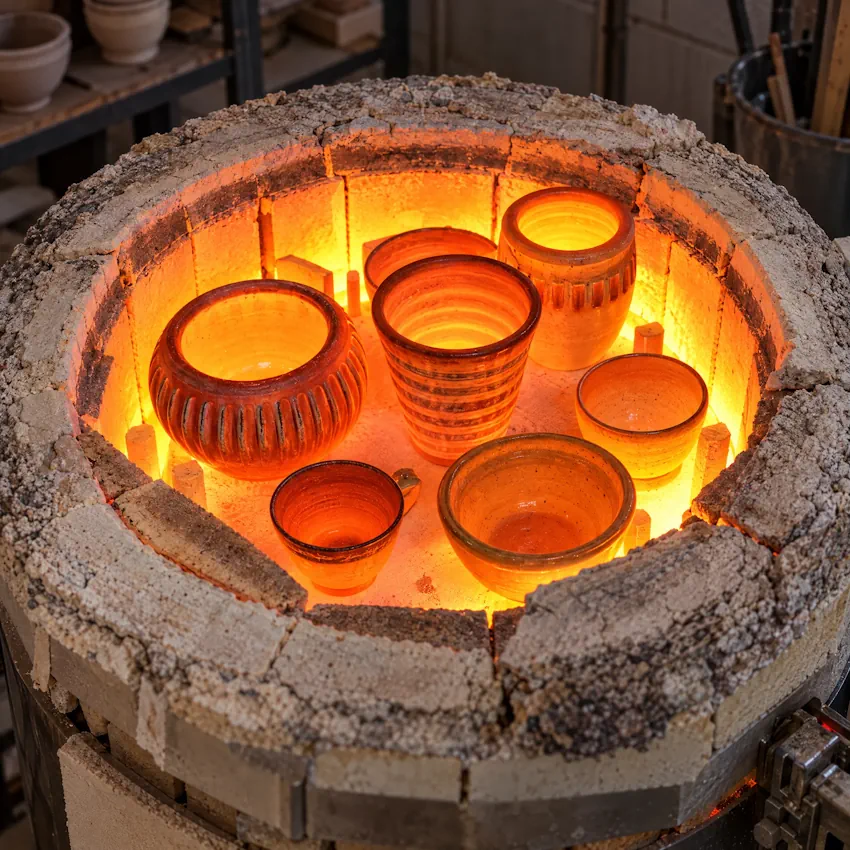
What is ceramic is a question with a short answer: ceramic is the general name for hard, durable and long-lasting materials made by shaping clay and similar natural raw materials and firing them at high temperatures. It has a very wide range of uses, from tableware and floor tiles to laboratory equipment and works of art. In this article we explain the meaning of ceramic, the materials it is made from, its types and production stages, and then move on to the art of ceramic sculpture.
Meaning and Origin of the Word Ceramic
The word ceramic comes from the Ancient Greek word "keramos." This word refers to potter's clay and the fired vessels made from it. In Turkish, words such as "cini" (tile) and "earthenware" were used for a long time, while the term ceramic gradually became an umbrella name for all fired clay products. Today, in its dictionary sense, ceramic means turning mineral-based materials into a permanent structure through heat treatment. This definition covers a simple bowl as well as the heat shield of a spacecraft.
What Is Ceramic Made Of?
The main raw material of ceramic is clay. What is clay? It is a material that softens when mixed with water, takes shape easily and hardens as it dries. Kaolin is one of the purest types of clay and forms the base of porcelain. Feldspar and quartz are also used along with clay. Feldspar melts under heat and binds the particles together, while quartz forms the skeleton of the product and reduces warping. Some clay bodies include grog, which is fired and ground clay. Grog helps large pieces dry and fire without cracking.
Types of Ceramic
Ceramics are grouped by firing temperature and structure. Earthenware ceramic is fired between about 950 and 1100 degrees, and it is porous and relatively soft. Stoneware ceramic is fired at around 1200 degrees and above, and it is much harder and more resistant to water. Porcelain is the type fired at the highest temperatures, and it is white, thin and translucent. Beyond these, there are technical ceramics. Made from materials such as alumina and zirconia, these ceramics are used in electronics, medicine and industry.
How Is Ceramic Made? Production Stages
The answer to how ceramic is made consists of a few basic stages. First, the clay body is prepared and air bubbles inside are removed by kneading. Then the piece is shaped by hand, on a wheel or in a mold. The shaped piece is dried slowly, because fast drying causes cracks. The dried piece is fired for the first time at about 900 to 1000 degrees, and this stage is called bisque firing. Then glaze is applied and a second firing is done. Glaze covers the surface with a glassy layer, protects the product from water and gives it color.
Properties and Uses of Ceramic
Thanks to its hardness, heat resistance and chemical stability, ceramic is preferred in many industries. It does not rust or rot, and it can stay intact for centuries. This quality is why archaeologists can still find thousands of years old pottery today. In daily life we meet ceramic as plates, cups, sinks and tiles. In architecture, tile panels and facade coverings are common, and in industry insulators and cutting tips are widely used. In art, ceramic is valued both as a functional object and as a sculpture material.
A Short History of Ceramic Art
Ceramic is one of the oldest arts in human history. Small figures made of fired clay are among the oldest known ceramic finds and appeared much earlier than vessels. Anatolia is also one of the important centers of this tradition, and fired clay finds have been uncovered in Neolithic settlements such as Catalhoyuk. During the Seljuk and Ottoman periods, Konya, Iznik and Kutahya were the main centers of tile and ceramic production. Iznik tiles are known worldwide for their tulip and carnation motifs.
What Is Ceramic Sculpture?
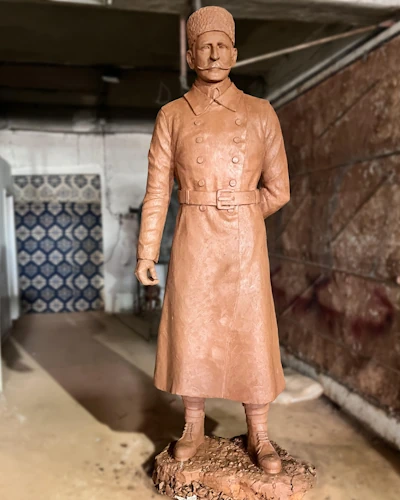
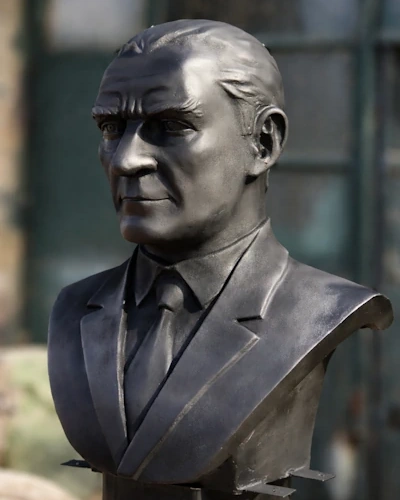
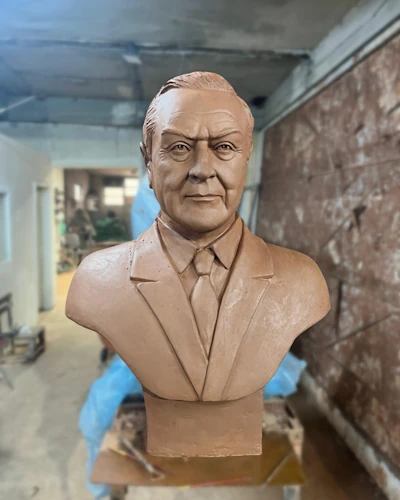
Ceramic sculpture is the name given to works of art created by shaping clay in three dimensions and firing it. Its difference from stone or bronze sculpture lies in how the material is worked. In stone sculpture the excess is chipped away, and in bronze the work is cast in a mold. In ceramics, the artist gives form by adding, pulling and carving the clay. This flexibility makes it easy to achieve fine details and organic forms. Ceramic sculpture can be produced at different scales, from small tabletop objects to large spatial installations.
Ceramic Sculpture Techniques
The main techniques used in sculpture are as follows:
The coil technique builds walls by stacking clay ropes on top of each other, and it is ideal for large, hollow forms. The slab technique is done by cutting and joining flattened sheets of clay, and it is preferred for angular shapes. In the pinching method, the clay is shaped by squeezing and opening it with the fingers. The mold technique makes it possible to produce multiple copies of the same form. Sculptors often use these methods together.
Points to Consider in Ceramic Sculpture
The most important rule when making a ceramic sculpture is to keep the inside of the piece hollow or at an even thickness. Air and moisture trapped inside the clay can expand in the kiln and cause the piece to burst. Clay shrinks by about 10 to 15 percent while drying and firing, so the form must be designed with this shrinkage in mind. Thick pieces should not be dried quickly, and firing should be done with a slow rise in temperature. When these rules are followed, works are completed without cracking or warping.
Examples of Ceramic Sculpture in History
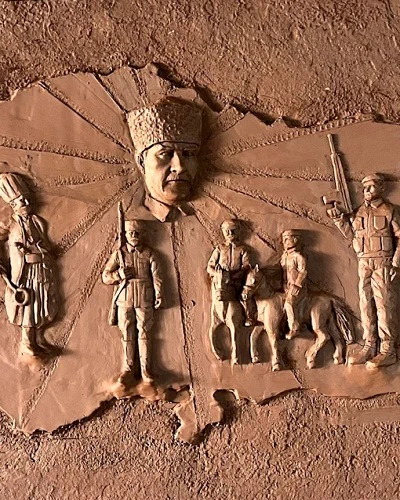
History offers very strong examples of ceramic sculpture. The terracotta army made in China about 2200 years ago consists of thousands of life-size soldiers and is considered one of the most striking examples of ceramic sculpture. In Ancient Greece, Tanagra figurines present graceful scenes from daily life. In Renaissance Italy, the Della Robbia family became famous for their glazed terracotta reliefs. In the 18th century, Meissen porcelain figures became favorites of European courts, and in the 20th century artists such as Pablo Picasso and Peter Voulkos brought ceramics into modern art.
Ceramic Sculpture Art Today
Today, ceramic sculpture is one of the lively fields of contemporary art. Artists look for new expressions through matte surfaces, raw clay textures and mixed materials alongside traditional glazes. Workshops and university ceramics departments train new generations in this field. Decorative objects, garden sculptures and architectural applications are also examples of how ceramics brings art and daily life together. Ceramic sculptures attract more interest every day, both as a hobby and as a professional art form.
Date Added: