What Is Composition
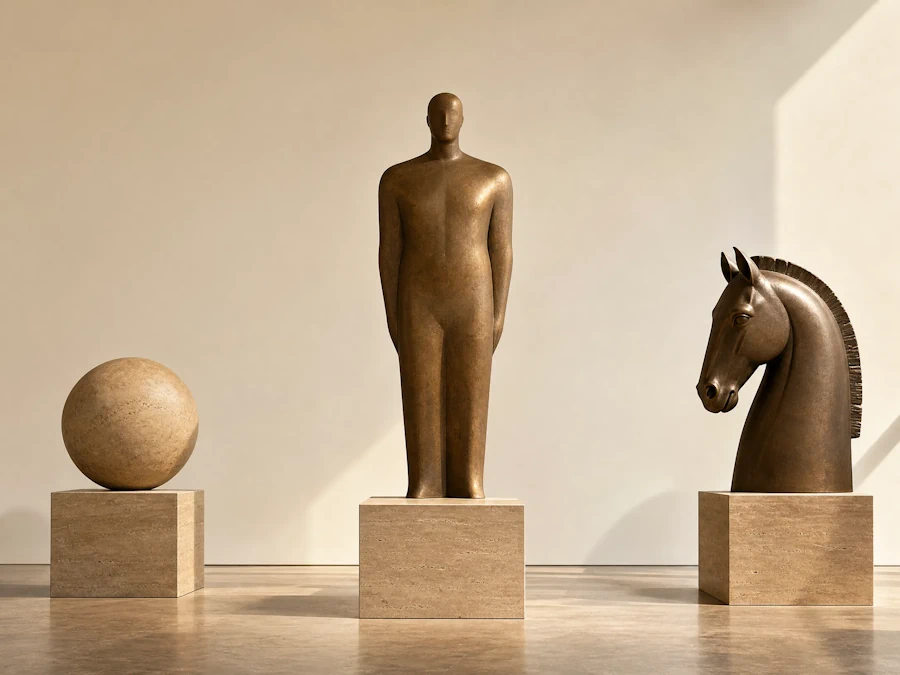
Composition is the principle of bringing together the elements used in sculpture and other branches of art in balance, harmony, and unity. In a statue, the placement of figures, their proportions, directions of movement, and use of space are arranged within certain rules in order to create a specific effect on the viewer. A good composition ensures that a piece carries a strong sense of unity not only technically, but also visually and emotionally.
The Role of Composition in Sculpture
In sculpture, composition carries great importance even in works consisting of a single figure. A figure's posture, direction of gaze, and the position of the arms and legs directly determine the overall silhouette of the statue and its effect on the viewer. In group statues made up of multiple figures, composition plays a critical role in planning the relationship between figures, the story being told, and where attention should be directed. A properly structured composition ensures that the piece looks meaningful and balanced from different angles as well.
The Principle of Balance and Symmetry
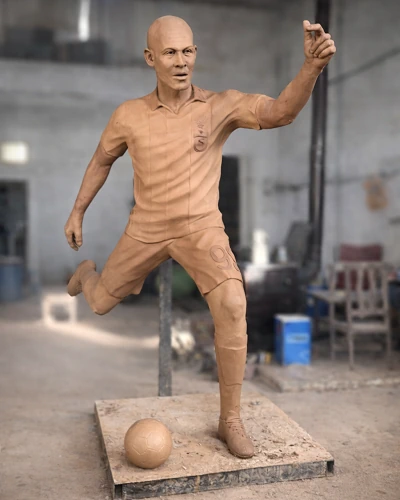
One of the fundamental elements of composition is balance. Balance can be symmetrical or asymmetrical. In symmetrical compositions, elements are distributed equally around an axis, and this arrangement generally evokes a sense of seriousness, authority, and stability. In asymmetrical compositions, elements are placed at different weights and positions, yet a visually balanced whole is still created. In statues reflecting dynamic subjects, such as a moving athlete figure, asymmetrical composition can more effectively convey the naturalness and energy of the motion.
The Use of Proportion and Scale
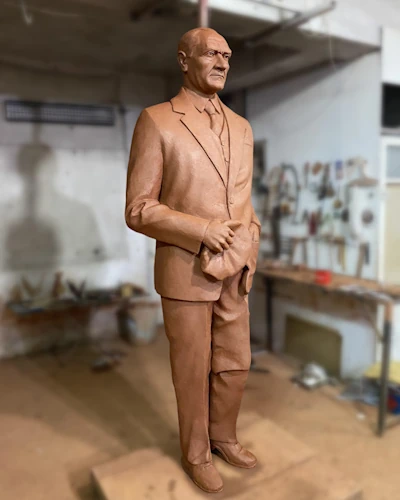
For a composition to succeed in a statue, the proportions within the figure itself must be accurate. In human figure statues, the head, torso, and limbs being worked in proportions that are consistent with one another ensures the piece looks realistic and convincing. In monumentally scaled statues, proportions are recalculated according to the size of the location where the statue will stand and the viewer's angle of view. This allows a large scale statue to present an accurate and balanced appearance even when viewed from a distance.
The Sense of Movement and Direction
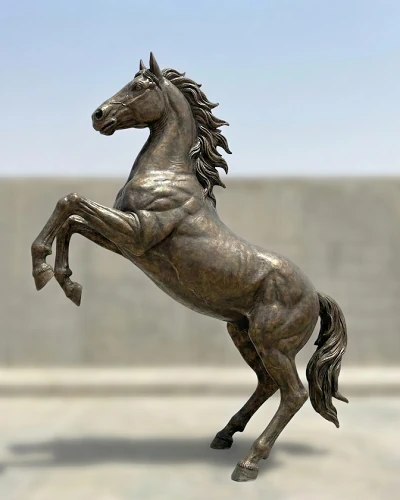
Conveying a sense of movement in composition is especially important in statues depicting dynamic subjects. In a runner or athlete figure, the position of the arms and legs, the tilt of the torso, and the direction of the gaze give the viewer the feeling that the motion is still continuing. In statues like this, the composition is structured almost like a single frozen frame of ongoing movement. A well planned movement composition allows even a statue made from a static material to appear lively and dynamic.
Composition Planning in Group Statues
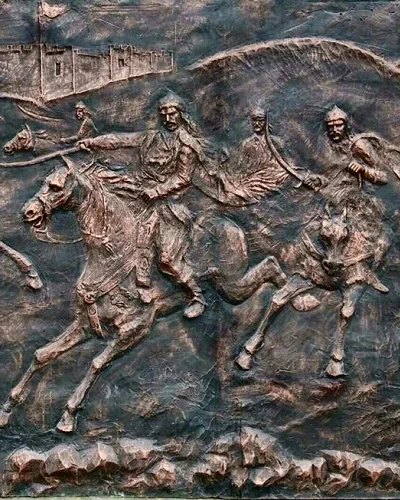
Composition planning requires a more complex process in group statues made up of multiple figures. The distance between figures, their directions of gaze, and differences in height determine how the viewer's eye moves across the piece. For example, in a family statue, placing the figures close together and connected creates a feeling of warmth and closeness, while in a struggle scene, the distance and opposing directions between figures strengthen the sense of tension. For this reason, group compositions are planned with particular care during the design stage.
Composition's Contribution to the Unity of a Work
Composition is the fundamental element that ensures a statue is not only technically accurate, but also visually and emotionally compelling. Which angle a piece looks most effective from, where the viewer's attention should be directed, and how the overall silhouette will be perceived are all determined during the composition stage. For this reason, the composition work carried out at the very beginning of a statue's design is considered a critical stage that directly determines the final quality and impact of the piece.
Date Added: