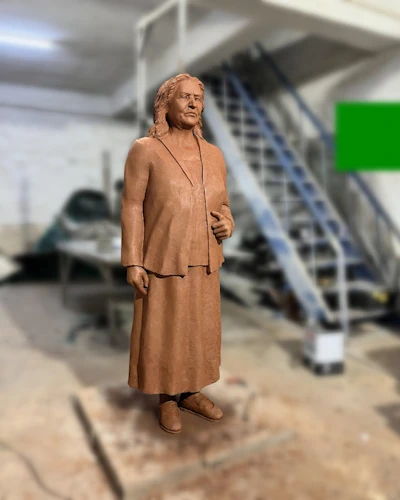
What Is Composite?

A composite is a material made by combining two or more components with different properties. When designed properly, the combined components can offer qualities that none of them has on its own. Composite materials in sculpture are used to create lightweight, easy-to-shape and durable artworks. The type of resin, fiber, mineral filler or other component used affects the artwork's appearance, weight, strength and usage conditions.
Composite materials are used in art and sculpture, as well as in the automotive, construction, marine and aerospace industries. In sculpture, composite is often chosen to produce large, highly detailed or easier-to-transport artworks. However, not every composite sculpture is made from the same material. When evaluating the care and use of a piece, it is important to look at the components used, not just the word "composite".
What Is Composite Material and How Is It Made?
Composite materials usually consist of a base material (the matrix) and reinforcing components that support it. The matrix holds the other components together, while the reinforcement increases the strength, stiffness or another property of the material. In sculpture production, the ratio and placement of these components can be adjusted to the size and shape of the artwork and the environment where it will be displayed.
For example, in fiberglass composites, glass fiber is combined with resin to form a lightweight and durable structure. Some sculptures use polyester or epoxy resin together with glass fiber, mineral powder or other fillers. Other types of composites may contain wood fibers, carbon fibers or different reinforcing materials. Every component changes the properties of the final material.
Composite is not the name of a single substance or a fixed mixture. Many types of composites can be produced with different components. For this reason, how a composite sculpture behaves against water, sunlight, impact or temperature changes depends on the resin, the reinforcement, the surface coating and the quality of production.
Why Is Composite Used in Sculpture Making?
In sculpture, the choice of material affects not only the look of the artwork but also its production and display conditions. Traditional materials such as stone or metal can be strong and impressive, but in some projects they may be heavy, costly or difficult to work with. Composite materials can be produced in lower weights and in different forms depending on the design, which gives artists additional options.
- Lightweight structure: Some composite sculptures can be lighter than stone or metal artworks of a similar size. This can make transport and installation easier.
- Flexibility in shaping: Resin and reinforcement materials can be turned into complex forms using molds.
- Surface variety: Different colors and textures can be achieved with paint, pigment, filler or topcoat applications.
- Large-scale production: With a suitable design and internal support, large sculptures can be produced from more manageable sections.
- Detail reproduction: Depending on the mold and production method, fine surface details can be transferred to the artwork.
- Combining multiple materials: A composite structure can be used together with other materials for reinforcement or decoration.
These features can make composite a suitable option for exhibition spaces, public art projects, decorative sculptures, stage designs and large-scale applications. Still, the durability of an artwork does not depend only on the material being light or strong. The design must be done correctly, the layers must be prepared properly during production, and the sculpture must be protected according to its intended use.
What Materials Are Composite Sculptures Made Of?
One of the most common structures in composite sculptures is fiberglass composite, made by combining glass fiber with resin. The glass fiber reinforces the structure, while the resin holds the fibers together. The resulting surface can later be sanded, painted or finished with a suitable coating. Fiberglass is used in sculpture production as well as in boat parts, panels and various molded products.
Polyester resin is a binder used in some fiberglass applications. Epoxy resin may be preferred for different production needs. The properties and application methods of these resins are not the same. The resin is chosen by considering the type of reinforcement, the mold, the production environment and the conditions the artwork will be exposed to. For this reason, using just any product for composite sculpture repair or surface renewal may not be appropriate.
Mineral powders or other fillers can be added to the composite structure to create a stone-like look and texture. In some artworks, metal, wood or other materials are also included in the design. However, a sculpture that looks like stone or metal on the outside is not necessarily made entirely of that material. Manufacturer information or a material inspection may be needed to tell the appearance from the internal structure.
How Is a Composite Sculpture Made?
The first stage of composite sculpture production is design and material selection. The size, shape, display location and expected durability of the artwork are taken into account. Then the main form of the sculpture is prepared. Depending on the production method, direct modeling can be done, or a mold can be created to reproduce the shape of the artwork.
In mold-based production, the reinforcement material is placed into the mold and combined with resin. This process can be done in multiple layers. Proper placement of the layers, reducing air voids and achieving the right thickness for the design all affect product quality. After the resin cures, the part is removed from the mold, and finishing steps such as surface correction, sanding, joining and painting can be applied.
If a composite sculpture is large, several parts may need to be joined together. In this case, connection points and load-bearing supports become important. If the sculpture will be used outdoors, not only the surface coating but also a design that prevents water from collecting and proper installation should be considered.
Is a Composite Sculpture Durable?
Composite materials can be designed to be durable, but the word "composite" alone does not guarantee a long life. Durability depends on the material composition and production quality, as well as where the artwork is used. The needs of a sculpture displayed indoors are not the same as those of an outdoor sculpture exposed to sun, rain, frost, wind and air pollution.
Ultraviolet rays can cause some resins or surface paints to fade or lose their properties over time. Sudden temperature changes, water entering cracks, impact or faulty installation can also increase the risk of damage. For composite sculptures used outdoors, it is important to choose suitable resin, paint and protective coatings. Maintenance intervals should be determined according to the structure of the artwork and environmental conditions.
One advantage of composite material is that, in some designs, it can provide sufficient strength at a low weight. However, thin or insufficiently supported sections can be sensitive to impact. In large sculptures, the internal frame, connection points and ground anchoring should be evaluated separately to keep the artwork safely in place.
How to Care for Composite Sculptures
Composite sculpture care varies depending on the resin and surface coating used. For general cleaning, a soft, clean cloth and a gentle cleaning method that will not damage the surface are preferred. Abrasive sponges, hard brushes and strong chemical solvents can cause scratches, dullness or coating damage. If a cleaning product will be used, it should first be tested on a small hidden area and the manufacturer's instructions should be followed.
The artwork can be checked regularly for cracks, blistering, color changes, loose connections and water accumulation. For outdoor sculptures, the condition of the surface coating is especially important. When a small crack is noticed, applying random filler or paint over it may not solve the source of the problem. To prevent the damage from growing, the repair should be done with materials suitable for the type of composite.
For valuable, large or public sculptures, it is better to have cleaning and repair work assessed by an experienced practitioner or a conservation specialist. Using the wrong resin or paint can create incompatibility with the existing surface and make future interventions more difficult.
Composite vs Fiberglass: What Is the Difference?
Fiberglass is a specific type of composite material. It is usually formed by combining glass fiber with a resin. Composite, on the other hand, is the general name for materials made by bringing different components together. For this reason, every fiberglass material is a composite, but not every composite is fiberglass. Systems made with carbon fiber, wood fiber or other reinforcing materials can also be composites.
This distinction matters when describing sculpture materials. Saying that an artwork is "composite" does not explain on its own which fiber or resin was used. Material information from the manufacturer or the artist allows better decisions for care and repair.
Composite Sculpture FAQ
What is a composite sculpture? It is a sculpture made by combining more than one material to achieve certain properties together. It may contain resin, fiber, mineral filler or other components.
Are composite sculptures lightweight? Some composite sculptures can be lighter than stone or metal artworks of similar size. However, the weight depends on the material used, the internal support and the design of the artwork.
Can a composite sculpture be used outdoors? Yes, but the material and surface coating must be suitable for outdoor conditions. Sun, rain, frost and temperature changes can affect the surface over time.
How do you clean a composite sculpture? First, follow the manufacturer's care recommendations. A soft cloth and gentle cleaning are usually preferred. Abrasive materials and strong solvents can damage the surface and should not be used.
Is composite material eco-friendly? It depends on the components used, the production process and the lifespan of the product. The recyclability of composites also varies with the type of resin and reinforcement. For this reason, it is not accurate to make a single environmental assessment for all composite materials.
Date Added: