What is Gelcoat?
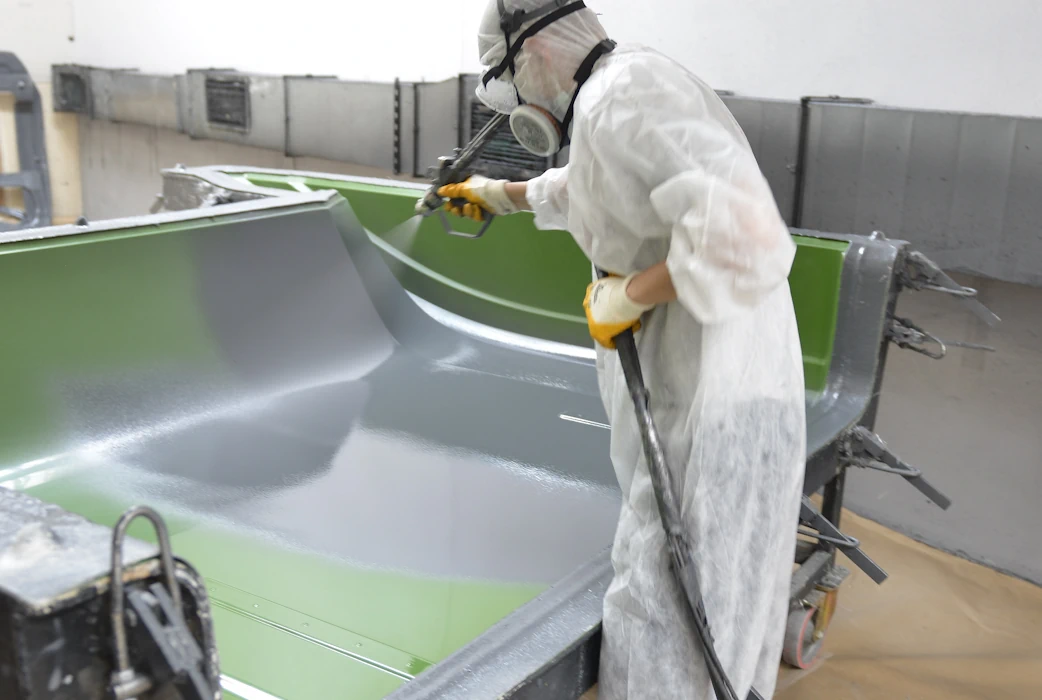
Gelcoat is a special resin layer applied to the outermost surface of the mold to enhance the surface quality of polyester and epoxy-based composite materials. Derived from the English term "gel coat," gelcoat provides smoothness, color depth, UV resistance, and surface protection to the cast surface. The use of gelcoat in the production of sculpture and decorative products is a critical phase that directly determines the visual quality and durability of the finished product.
Properties of Gelcoat
Gelcoat has a highly viscous appearance, meaning it has low fluidity. After being applied to the mold, it gels and cures within a specific timeframe. Once this curing process is complete, the lamination phase—building the internal structure—begins. The gelcoat layer is generally applied at a thickness of 0.3 to 0.8 millimeters; this thin layer entirely defines the visual surface of the final product. Gelcoat is highly compatible with pigments and can be produced in a wide spectrum of colors.
The Use of Gelcoat in Sculpture
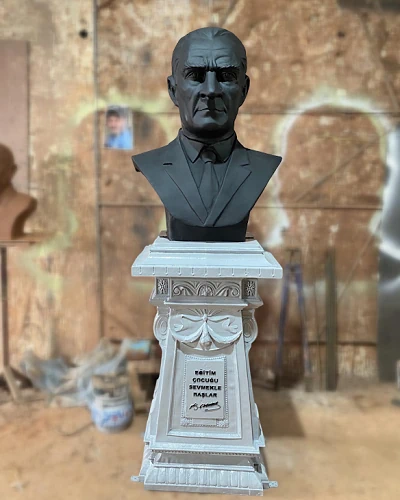
Gelcoat is an indispensable material in the production of polyester-based sculptures and decorative figures. Thanks to gelcoat, the surface of a polyester artwork cast from a silicone or plaster mold achieves a smooth, glossy, and paint-ready appearance. In gelcoat application, it is crucial to apply the layer evenly onto the mold without leaving any air bubbles. Irregular or faulty gelcoat application leads to color discrepancies, pores, and pitting on the surface. Therefore, gelcoat application is a precise process that should be left to experienced hands.
Types of Gelcoat
Gelcoat is manufactured in various formulations tailored for different areas of use. Standard polyester gelcoat is suitable for general-purpose applications. Isophthalic gelcoat offers higher moisture and chemical resistance. Vinylester gelcoat is preferred in aggressive chemical environments and marine vessels. UV-resistant gelcoat prevents color fading caused by sunlight in outdoor applications. The type of gelcoat to be used during sculpture production should be determined based on the artwork's usage conditions and the environmental factors it will be exposed to.
Post-Gelcoat Surface Treatments
Following the gelcoat application and curing process, the surface undergoes various treatments. The finishing process, performed with fine-grit sandpapers, removes micro-roughness on the surface. Subsequently, the desired color and texture are imparted to the artwork through painting or patina application. Finally, a protective varnish or wax is applied to ensure long-term preservation of the surface. When these steps are properly executed, polyester sculpture products can offer an aesthetic quality that is remarkably close to the appearance of bronze.
The Use of Gelcoat in the Heykel.org Studio
In our studio, we use Gelcoat during the molding process after each clay study is completed. We never hesitate to use A-grade quality and adequate amounts. It is an indispensable chemical for fiberglass sculpture.
Date Added: