What is a Portrait?
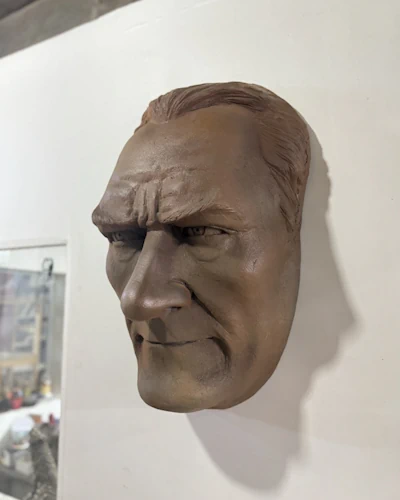
A portrait is an artwork aimed at reflecting a specific person with their identifiable facial features, expression, and character. Appearing in various mediums such as painting, sculpture, photography, and drawing, the portrait constitutes one of the most deep-rooted and widespread genres in art history. A portrait is not merely an effort for physical resemblance; it is also an attempt to convey the person's identity, character, social status, and inner world.
Portrait Sculpture
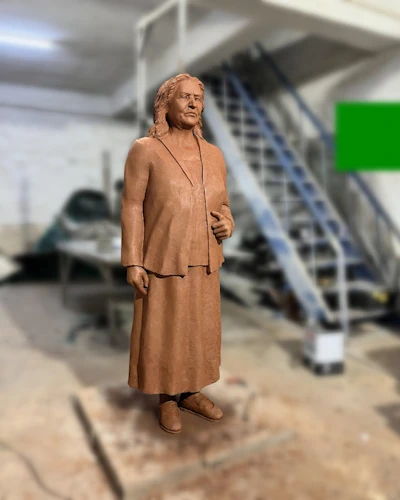
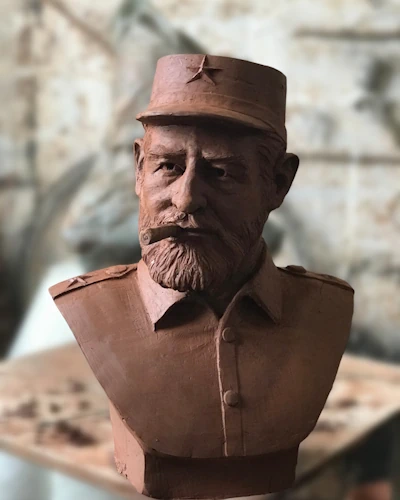
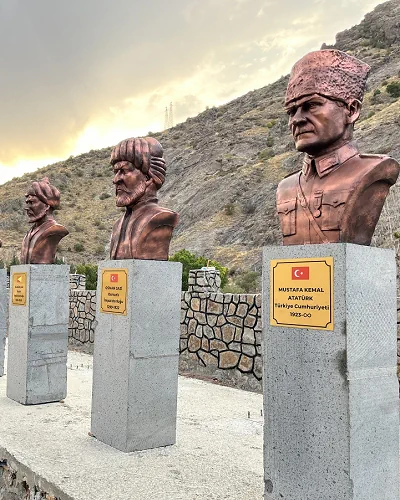
Portrait sculpture is a field where the person is rendered in three dimensions and is considered one of the most challenging branches of the art of sculpture. A portrait sculpture must reflect not only the physiological accuracy of the face but also the depth of meaning behind the person’s character, posture, and gaze. The portrait bust is the most commonly used format in this field, encompassing a shortened figure extending to the shoulders or chest. Within a tradition stretching from Ancient Rome to the present, portrait busts have been produced to commemorate statesmen, thinkers, and significant individuals.
Historical Development of the Portrait
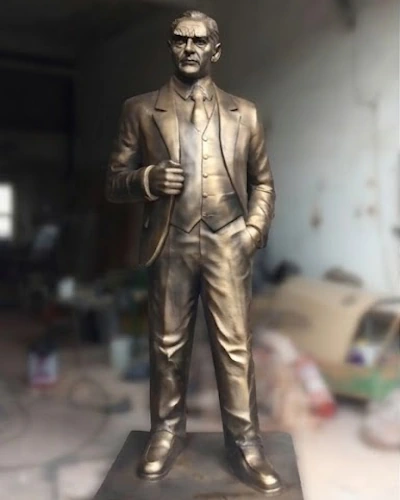
The history of the portrait dates back to the Ancient Egyptian period. The effort to immortalize the portraits of pharaohs and the upper classes played a decisive role in the development of sculpture art. In Ancient Rome, the tradition of portraiture based on realistic facial depictions reached its peak. During the Renaissance, portrait painting and sculpture gained great momentum again; with the prominence of the individual and individuality, the portrait gained a special meaning for both the artist and the patron. Today, portrait sculpture continues to be preferred for state ceremonies, corporate representation, and commemorative purposes.
How is a Portrait Sculpture Made?
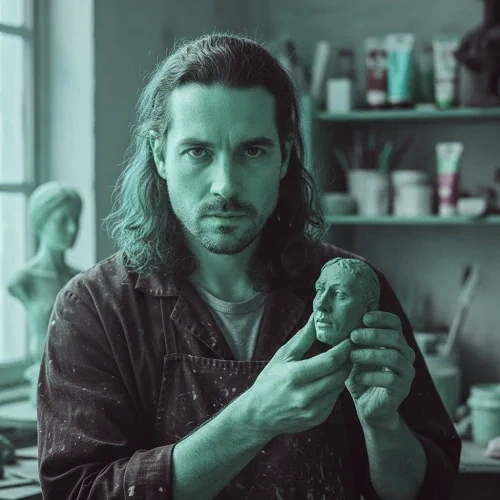
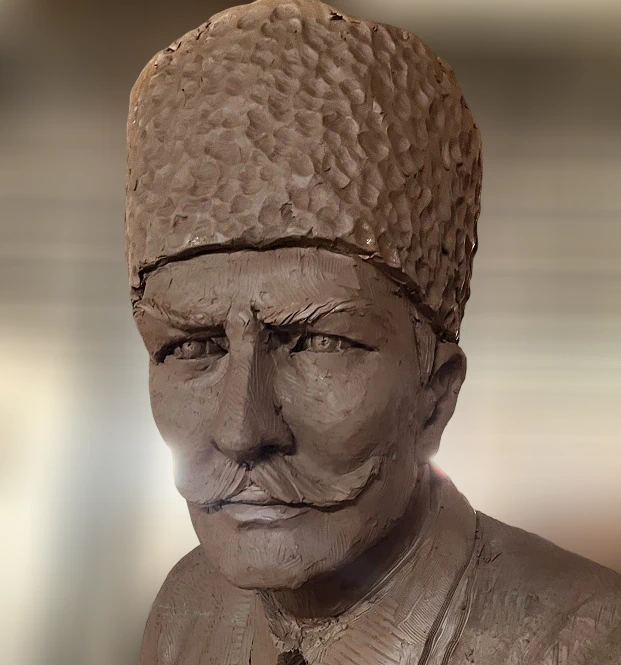
The production of a professional portrait sculpture requires a meticulous process. The sculptor usually uses multiple photographs of the person and, if possible, facial measurements as a reference. Some portrait sculptors prefer to work with a live model, directly observing the person's real-time expressions and characteristic features. The process, which begins with clay modeling, is completed with plaster mold taking and then transferring to bronze casting or other permanent materials. The approval of the work requires a close dialogue process with the client. While a portrait may not be relevant for an aircraft sculpture among our products, the Haydar Aliyev sculpture within our bust works is a complete portrait study and has been prepared very close to reality.
Portrait Sculpture Today
With the development of digital technology, new methods have emerged in the production of portrait sculptures. Three-dimensional scanning technology transfers the person's face to a digital environment with millimetric precision. This digital model can be converted into physical form through both computer-aided milling and three-dimensional printing. However, the organic vitality and artistic interpretation carried by handmade portrait sculptures cannot be fully achieved in these technological processes. For this reason, traditional handcraftsmanship continues to be preferred for quality portrait sculpture orders. As heykel.org, we do not use 3D machines. This will continue as long as our respect and love for the art of sculpture continues.
Date Added: