What is a Pictogram?

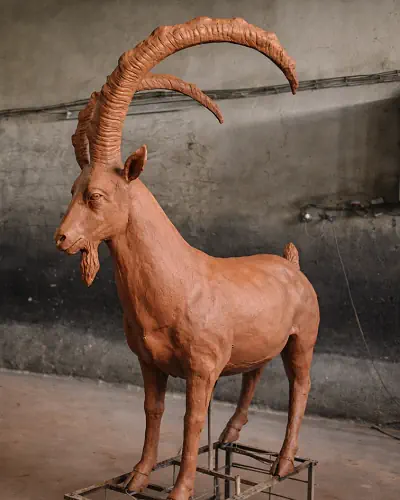
A pictogram is a simplified symbol that represents an object, concept, or action directly in visual form. Formed by combining the Greek words "pictus" (painted) and "gramma" (writing), pictograms stand out as a universal language of communication that transcends language barriers. In terms of art history, the pictogram represents one of humanity's first forms of graphic expression and is the product of a deep-rooted tradition extending from cave paintings to modern symbol design. Artistic works thought to be prepared with these examples are available at the Anatolian Civilizations Museum.
Historical Development of the Pictogram
The history of the pictogram dates back to the period when humanity first drew pictures on cave walls. Animal depictions in the Altamira and Lascaux caves are considered among the earliest examples of pictograms. The cuneiform script of the Sumerian civilization is also a writing system that evolved from pictograms. Egyptian hieroglyphs are one of the most sophisticated traditional forms of pictograms. Following the Industrial Revolution, the need for universal symbols increased with urbanization and the development of international trade, and modern pictogram design emerged as a product of this need.
Relationship Between Pictogram and Sculpture Art
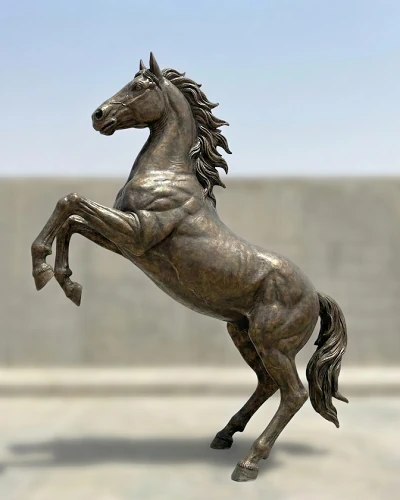
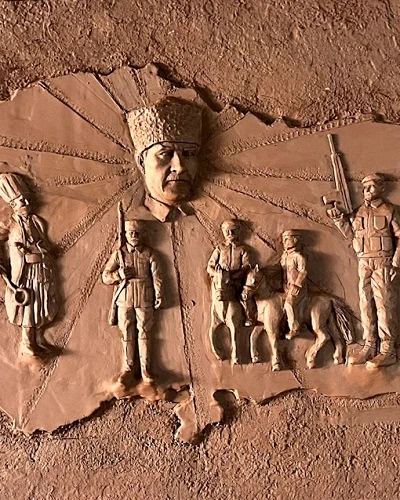
The concept of the pictogram has an indirect but meaningful relationship with the art of sculpture. Relief sculpture is essentially a pictographic form of expression; figures and scenes convey meaning through visual images instead of abstract symbols. Hieroglyphic reliefs on the walls of Ancient Egyptian temples are the most striking examples where the traditions of pictograms and relief sculpture intertwine. Pictographic symbols are also used by sculptors to add meaning to the bases, side surfaces, and relief panels of their works.
Pictogram in Modern Design
Today, pictograms have permeated every aspect of life. Traffic signs, airport wayfinding systems, medicine packaging, and icons in digital interfaces are pictograms we constantly encounter in daily life. The sports pictograms designed for the 1964 Tokyo Olympic Games are considered one of the turning points of modern pictogram design. In this project, the symbols developed by Masaru Katzumie and Yoshiro Yamashita redefined the standard of universal legibility. It is known that there are some examples within the Archaeology Museums in Istanbul.
Artistic Value of the Pictogram
Pictograms are not only functional signs but also powerful products of visual art. A well-designed pictogram provides a superior example of conveying a complex meaning with the fewest elements through its minimalist form. Artists and sculptors consciously adopt the pictographic form to give their works an archetypal and timeless quality. Works that refer to pictographic roots in the field of abstract sculpture draw attention in terms of both visual economy and density of meaning.
Date Added: