Sculpture of Rome
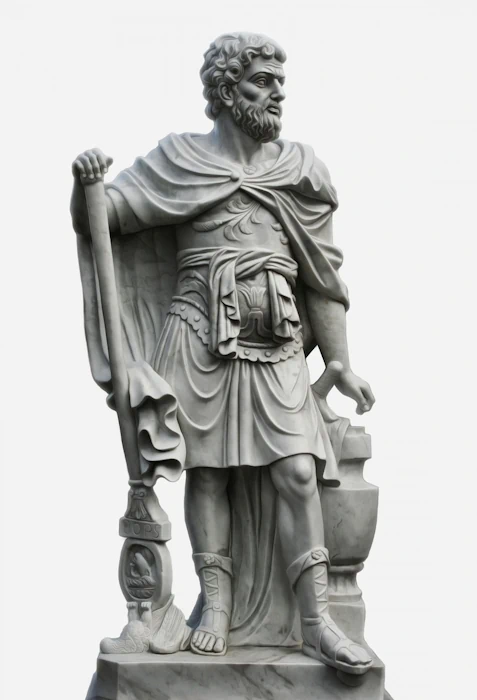
Sculpture of Rome refers to the contribution of one of the greatest and most influential civilizations of the ancient world to the art of sculpture. Roman sculpture art spans a period of approximately six hundred years, from the 1st century BC to the 5th century AD, during which it both assimilated and transformed Greek influence and developed its own unique style. Many ancient sculptures exhibited in world museums today belong to the Roman period or have preserved their existence thanks to Roman copying.
Historical Development of Roman Sculpture Art
Roman sculpture art was initially shaped under a strong Greek influence. Romans produced hundreds of copies from Greek originals, brought Greek sculptors to Rome, and sent their artists to Greece for training. However, this influence transformed into Roman originality over time. Rome's most original contribution was in the field of portraiture. The realistic portrait tradition, unlike the idealized Greek figures, aimed to reflect the individual's true facial features, age, and character. A bust of a Roman senator, rendered with wrinkles, deep eyes, and an individual expression, is one of the most striking examples of this approach.
Main Types of Roman Sculpture
Roman sculpture art can be evaluated in a wide range produced in different functions and forms. Portrait busts are the most distinct and original form of Roman sculpture. Busts of emperors, senators, and wealthy citizens carried both a political message and served a commemorative and memorial function. Historical reliefs on triumphal arches are narrative carvings depicting Rome's military victories and political events. Trajan's Column and the Column of Marcus Aurelius are the most impressive examples of this genre. Equestrian statues were placed in squares as symbols of power and authority during the Roman period. The only complete Roman equestrian statue that has survived to the present day is the equestrian statue of Marcus Aurelius in Rome.
Sculptures That Must Be Seen in Rome
The city of Rome is one of the places where ancient sculpture works are most densely concentrated. The Vatican Museums house some of the world's most valuable ancient sculptures, such as the Laocoon group, Apollo Belvedere, and the Belvedere Torso. The Capitoline Museums exhibit the original equestrian statue of Marcus Aurelius and numerous imperial busts. The National Roman Museum hosts an extraordinary collection of Roman and Greek sculptures, primarily the Farnese Hercules. It is also possible to encounter Roman-era sculptures and architectural elements in public spaces around the Pantheon and Colosseum.
The Impact of Roman Sculpture on World Art
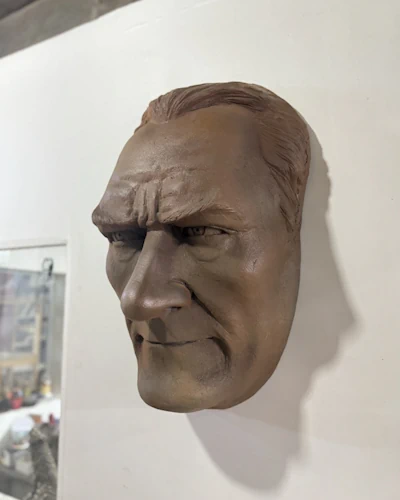
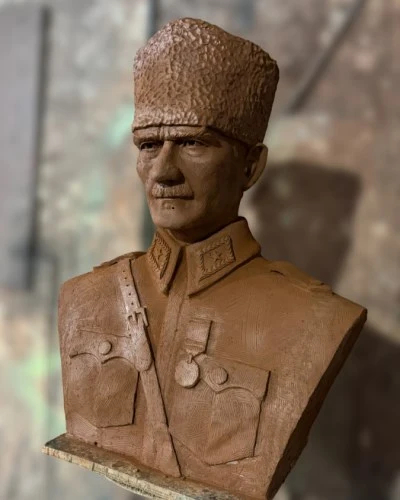
The legacy of Roman sculpture art continues to deeply influence today's understanding of sculpture. Starting from Renaissance masters like Michelangelo and Donatello to modern sculptors, many artists have drawn inspiration from the Roman sculpture tradition. The portrait bust tradition, the monumental equestrian statue form, and the concept of victory monuments have directly reflected onto the sculpture traditions of many modern societies, including the sculpture programs of the Republic era. Ataturk statues in Turkey can also be evaluated within this line of monumental tradition.
Date Added: