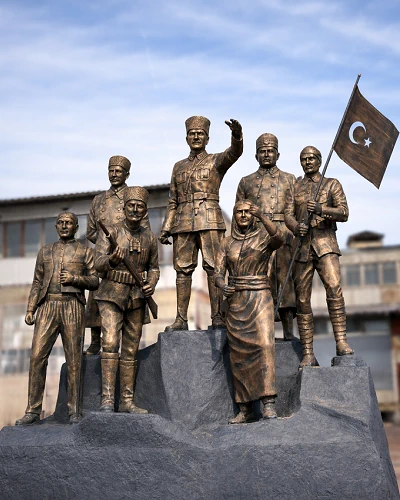
What is Engraving?
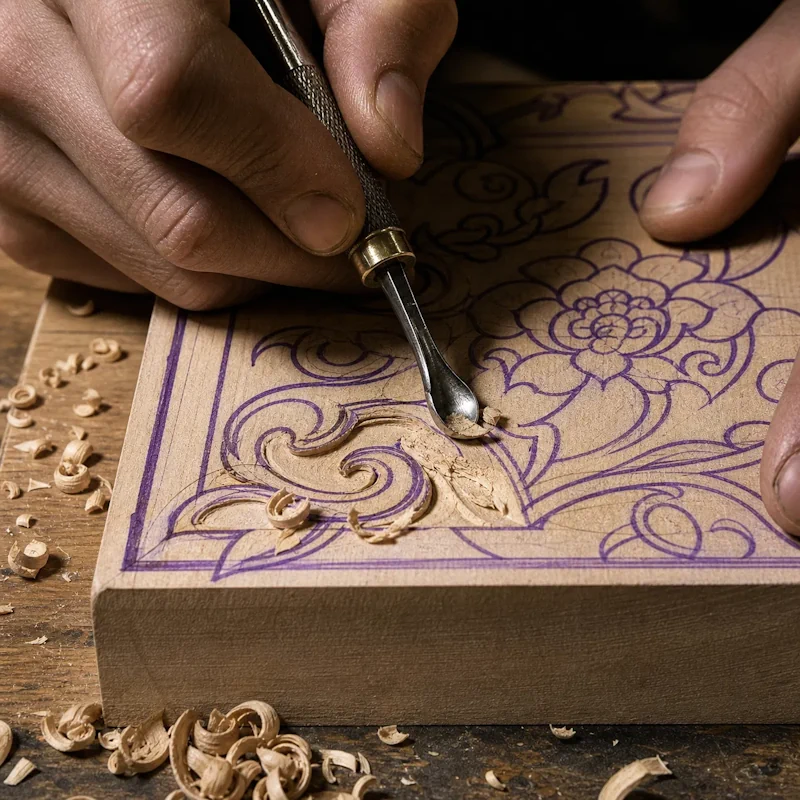
Engraving (Gravur) is the art of creating a printing plate by incising designs onto a hard surface such as metal, wood, or stone with special tools and producing multiple prints from this plate. Derived from the French word "graver," meaning to dig or carve, engraving developed in Europe during the Renaissance and became one of the fundamental branches of graphic arts. Being in close relationship with the art of sculpture, engraving shares the general understanding of plastic arts through the act of shaping surfaces and leaving marks.
Types of Engraving
Engraving is applied using various techniques. In the woodcut technique, forms are created on a wooden surface with carving knives. In metal engraving, copper or zinc plates are used. In the etching technique, which is performed with an acid bath, marks are created by eroding the metal with acid. In the drypoint technique, the metal surface is scratched directly with a needle-pointed tool. Each technique offers a different line quality and textural characteristic.
The Relationship Between Engraving and the Art of Sculpture
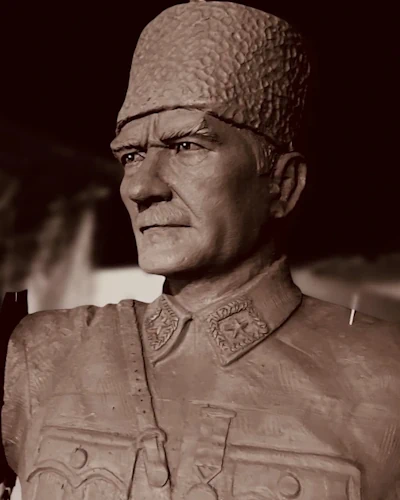
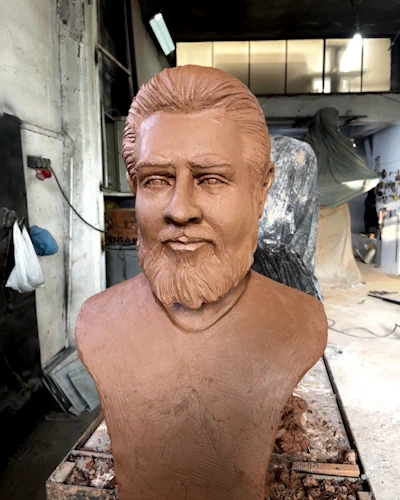
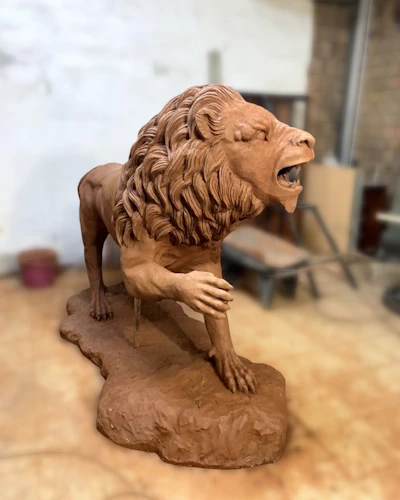
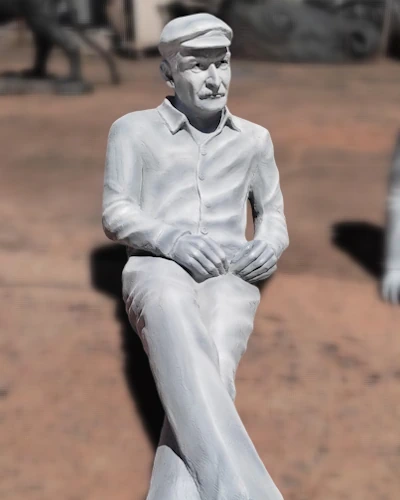
Engraving and the art of sculpture share a common understanding of material. In both, the acts of shaping the surface, leaving marks, and creating forms are the primary means of expression. Especially the relationship between relief sculpture and engraving is extremely tight. While relief sculptures create forms that rise in relief from the surface, in engraving, marks are incised inward from the surface. While this contrast is the fundamental difference that distinguishes the two branches of art, both center on the relationship between surface and depth.
Historical Development of Engraving
The history of engraving is based on the metal engraving tradition that developed in Germany and the Netherlands in the 15th century. Albrecht Durer is considered the greatest engraving master of this period. Rembrandt van Rijn used the etching technique with extraordinary mastery and transformed this technique into a means of artistic expression. With the invention of photography in the 19th century, engraving largely lost its reproduction function; however, it has continued to exist as an independent branch of art.
Engraving Art Today
Today, engraving continues its production with traditional methods and holds a respected place in the contemporary art world. Engraving prints produced in limited numbers hold high value among collectors. With the development of digital technology, a new technique called laser engraving has also emerged. Laser engraving can create extremely precise and repeatable marks on different surfaces such as metal, wood, leather, and glass. This technology is becoming increasingly common in the fields of sculpture and decorative arts. It is a rare work of art that you can easily see in the art world or within a sculpture stand.
Date Added: