Kehinde Wiley - American Sculptor
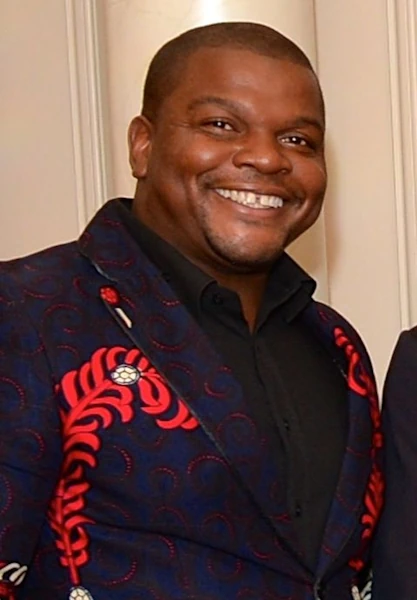
One of the brightest and most recognized names in contemporary portrait art, Kehinde Wiley, was born on February 28 1977 in Los Angeles California. As the son of a Nigerian father and an American mother Wiley felt the personal and cultural dimensions of identity deeply from a very early age. He never knew his father; he grew up with his mother in the southern parts of Los Angeles in an environment that was economically fragile and woven with racial tensions. But art became both a sanctuary and a tool for transformation within these tough conditions. After completing his undergraduate education at the San Francisco Art Institute Wiley received a master's degree from Yale University. The education at Yale allowed him to mature technically and clarify his artistic vision.
Wiley's rapid rise in the art world began to attract attention from the early 2000s. Moving to New York the young artist started making paintings of ordinary people he encountered on the streets of Harlem. Placing these people in poses from the great master paintings of the Renaissance, Baroque and Rococo periods Wiley developed an extremely powerful language both aesthetically and politically by replacing the white and privileged figures of art history with black and brown individuals. This approach quickly made him one of the most discussed and followed names on the international art scene.
Artistic Language and Style
In Kehinde Wiley's canvases everything comes together with a remarkable richness and a deliberate sense of showmanship. Vibrant colors, complex floral motifs and gold leaf details provide the ground for Wiley's distinctive visual language. These backgrounds feed off Islamic miniatures, Renaissance murals, Japanese print art and West African textile patterns. This wealth of multicultural references gives Wiley's works a global dimension and saves them from being trapped in any single cultural tradition.
In the foreground against these ornate backgrounds there are usually ordinary Black men and women posing in their everyday clothes. These individuals imitate the poses of aristocrats in the paintings of Raphael, Titian or Velázquez. This conscious citation is a powerful critical gesture. By placing Black bodies—who have almost never been included in the great portraits of art history—in the most supreme and prestigious positions in such works Wiley directly intervenes in the issue of representation, power and visibility. His paintings ask; who has been deemed worthy of great art and on what basis was this decision made?
Obama Portrait and the Historical Moment
The most striking turning point of Kehinde Wiley's career is the official portrait of Barack Obama shared with the public in 2018. This commission from the Smithsonian National Portrait Gallery positioned Wiley as the artist of American history's most prestigious institutional art project. Painting Obama's official state portrait was a moment where both the artist and the portrait went down in history.
In the portrait Obama sits before a flowery background. The flowers used as the backdrop consist of plants referring to the geographies in Obama's life such as African lilies, jasmine and chrysanthemums. This choice carries both a personal and political meaning. The painting attracted hundreds of thousands of visitors from the first day it was exhibited at the National Portrait Gallery and became one of the most popular works in the museum's history. This work of Wiley's recorded not only a president's portrait but also the changing face of American identity.
Global Projects and Sculptures
Wiley has also produced powerful works in the fields of sculpture and installation by crossing the boundaries of canvas painting. His sculpture titled Rumors of War is the most striking example of this expansion. This sculpture, first exhibited in Times Square New York in 2019 and then permanently placed in Richmond Virginia is a direct response to the equestrian statues of Confederate generals. Richmond was historically the capital of the Confederacy and the city's public spaces were filled with statues glorifying this period. Wiley placed a Black youth on a horse in today's clothes in the same magnificent pose right across from these statues. This gesture is considered one of the most powerful artistic interventions made on historical memory, public space and the power of representation.
Wiley is also known for his World Stage project realized in cities like Dakar, Lagos and Beijing. Working with individuals from the local population by going to different countries within the scope of this project Wiley has taken his portraiture combining a universal visual language with local identity to a global level. These works reveal that Wiley's artistic agenda is not limited only to the American race issue but covers a much broader vision regarding global power imbalances and representation problems.
Kehinde Wiley's Contribution to Art
Kehinde Wiley made his most important contribution to the contemporary art world by radically shaking the tradition of Western portraiture—which for centuries was reserved almost exclusively for white and privileged individuals—and placing those excluded from this tradition at its very center. This intervention is not just aesthetic; it carries a deep political and historical meaning. His works in the great museums and collections of art history today serve as a reference point in every serious discussion handling issues of race, representation and visibility.
Kehinde Wiley's art finds wide resonance not only in galleries and museums but also in academic curricula, social media and popular culture. This wide reach is the strongest proof that his art is not limited to an elite club. Wiley proves again and again through his canvas that great art does not belong only to one segment and that every individual can be both the heir and the subject of this tradition.
Date Added: