Vera Mukhina - Russian Sculptor
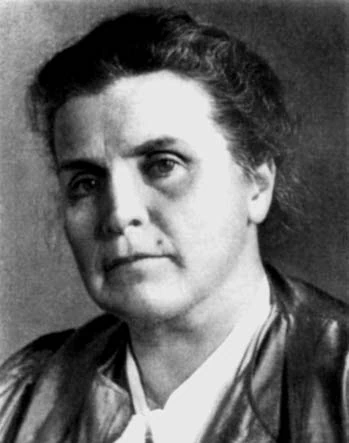
Vera Mukhina, undisputedly one of the most powerful representatives of Soviet sculpture and the Socialist Realism movement, was born in 1889 in Riga, in present-day Latvia. Completing her art education in both Moscow and Paris, Mukhina developed a uniquely powerful language by masterfully blending her contact with the European avant-garde movement with the demands of the Soviet understanding of art. The work that wrote her name in gold letters in art history is the "Worker and Kolkhoz Woman" sculpture, prepared for the 1937 World's Fair in Paris and still standing in Moscow today. This giant stainless steel figure is not just a work of art; it is a symbolic piece that dramatically summarizes the ideological climate of the 20th century, social hopes, and the position of art in the face of power.
Worker and Kolkhoz Woman: Symbol of an Era
Mukhina's greatest work, "Worker and Kolkhoz Woman," was designed to be placed atop the Soviet pavilion at the 1937 Paris World's Fair. This stainless steel sculpture, 24.5 meters high and weighing approximately 75 tons, depicts two figures—a male worker and a female collective farmer (kolkhoz woman)—holding a sickle and a hammer, appearing as if taking flight forward. The figures' clothes are swept back as if fluttering in the wind; this dynamic composition adds an extraordinary sense of energy and movement to the work. It is no coincidence that the sculpture was placed directly opposite the German pavilion at the fair in Paris; the tension between the two ideological blocks was reflected in an artistic rivalry.
Moved to Moscow after the fair, the sculpture now stands at the entrance of the VDNKh exhibition complex and remains one of the most recognizable images in Russian cultural memory. This sculpture is also used in the Mosfilm cinema company logo; this detail clearly shows how deeply the work has been woven into Soviet cultural identity.
Artistic Identity and Production Philosophy
Mukhina's artistic language possesses a dynamism and mastery that transcends the dogmatic framework of Socialist Realism. Blending the Cubo-Futurist influences she learned in Paris with the clear and powerful figurative language needed by Soviet ideology, Mukhina became one of the rare artists who both satisfied the authorities and maintained artistic integrity. Producing small-scale portraits and decorative sculptures alongside her large-scale monumental works, Mukhina also produced significant work in the field of glass design. This versatility made her an artist not only of the monumental scale but also of everyday life.
Contribution to Sculpture and Legacy
Vera Mukhina's contribution to the art of sculpture carries a dual legacy, demonstrating simultaneously how powerful and how restrictive Socialist Realism could be. With her works on a monumental scale symbolizing collective ideals, she became one of the most influential public sculptors of the 20th century. However, her legacy can be read not only in the Soviet context but also as one of the most striking examples of humanity's capacity to build ideals and imagine a future through art. Today, "Worker and Kolkhoz Woman" continues to maintain its dual identity as both an ideological document and a powerful work of art that inspires admiration even from a purely aesthetic standpoint.
Date Added: