Toshiyuki Enoki - Japanese Sculptor
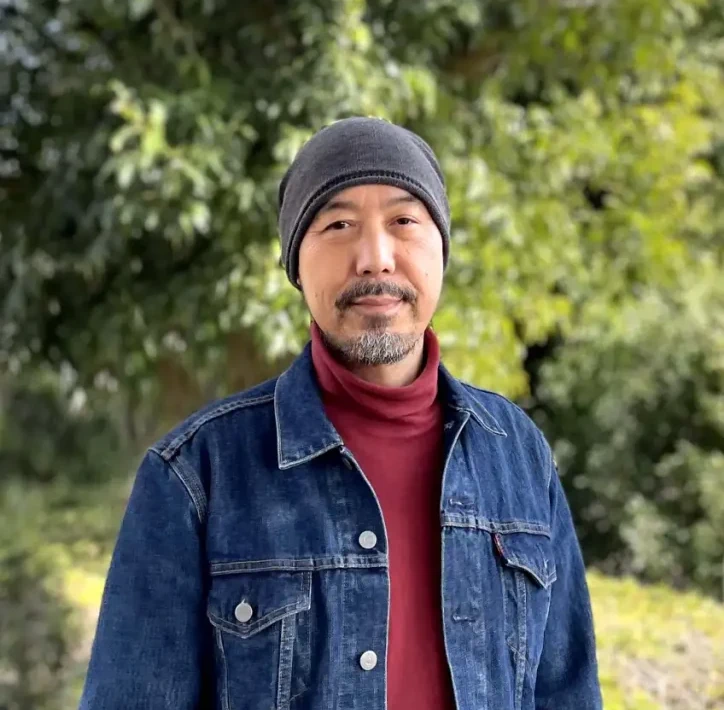
Toshiyuki Enoki, one of the most original and least recognized voices of Japanese contemporary art, was born in 1965 in Shizuoka, Japan. Although he does not possess the global recognition achieved by names like Murakami or Kusama in the international art world, Enoki has earned a highly respected and unique place in the Japanese contemporary art scene. At the center of his art are angel figures and wings; however, these symbols are fed not by a religious or spiritual discourse, but by a much more personal and existential quest. For Enoki, the angel is a being that carries human weight and pain yet still yearns for ascension. This interpretation gives his works a resonance that is both universal and deeply personal.
Artistic Identity and the Importance of the Angel Figure
What is felt when you first see Enoki's works is not a strange alienness; on the contrary, it is a familiar but indescribable feeling. Figures in white or light tones with wings establish an instant emotional bond with the viewer. These figures are neither entirely happy nor explicitly sad; they hang somewhere in the middle, in an ambiguous emotional zone. This uncertainty is intentional; Enoki tries to capture the most indefinable, borderline states of human emotion. Wings are symbols not of freedom, but of the longing for freedom, of being torn away from somewhere, and the desire to belong.
Enoki's production philosophy is also noteworthy. Frequently using paper, cloth, and natural materials, the artist maintains a conscious distance from the general trend in Japanese contemporary art toward industrial and technological materials. This choice gives his works a sense of transience and fragility. An Enoki figure appears uncomfortable with the rigid world around it; this delicate existence evokes a contradictory feeling in the viewer of wanting to both protect and be protected.
International Exhibitions and Place in the Art World
In addition to finding a place in important galleries and corporate exhibitions in Japan, Enoki's works attract attention in the international arena as well. Collections focusing on Japanese contemporary art and galleries specializing in Asian art evaluate Enoki's works as an independent artistic voice that does not remain in the shadow of Murakami or Yoshitomo Nara. This independence is perhaps his most valuable trait. An artist profile that resists the impositions of the global art market and produces while maintaining its own voice is becoming increasingly rare in today's art world.
Contribution to the Art of Sculpture
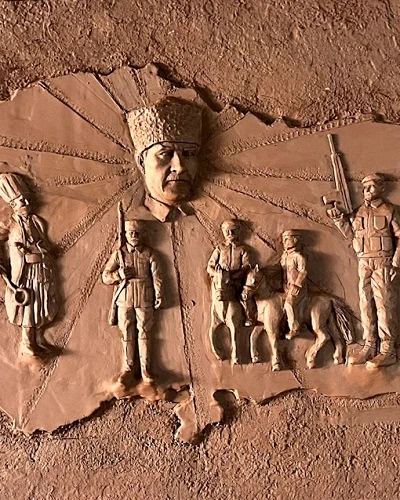
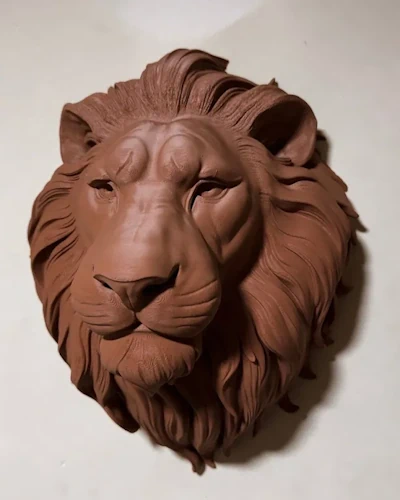
Toshiyuki Enoki's contribution to the art of sculpture lies in his sensitivity in keeping symbolic language on that thin line between the personal and the universal. Taking a theme like the angel figure, which has been handled by many artists throughout history, and adding a completely new and personal layer of meaning to it is the strongest evidence of his artistic originality. Preferring to work in his own small but deep space rather than remaining in the shadow of big names, Enoki continues to be one of the most sincere and thought-provoking voices of contemporary Japanese sculpture. Standing in front of his works feels not like watching a grand spectacle, but like confronting something small, silent, and profound.
Date Added: