Ai Weiwei - Chinese Sculptor
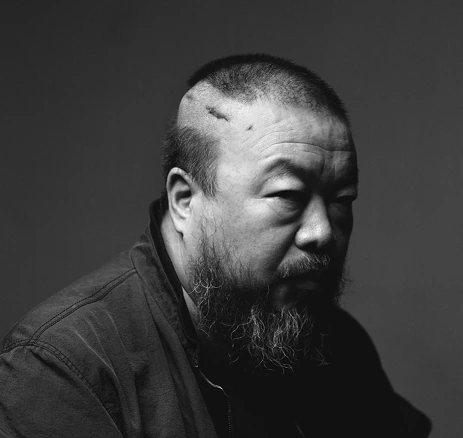
Ai Weiwei is one of the most controversial and influential figures in the contemporary art world. Born in Beijing in 1957 as the son of the Chinese poet Ai Qing, Weiwei uses art not merely as a tool for aesthetic expression, but as a political stance, an objection, and a form of survival. His fierce clashes with the Chinese government, his 81-day detention in 2011, the confiscation of his passport for four years, and his eventual necessity to leave the country have transformed him into both an art icon and a symbolic figure for the global struggle for human rights. However, to define Ai Weiwei solely as an activist would unfairly underestimate the depth and diversity of his art.
Artistic Identity and Style
The most prominent feature of Ai Weiwei's work is the startling tension between scale and context. The "Sunflower Seeds" installation exhibited at London's Tate Modern in 2010 is perhaps the finest example of this tension. One hundred million hand-crafted porcelain sunflower seeds poured into the museum’s massive Turbine Hall simultaneously question what it means to be both individual and collective, the relationship between individuality and the masses, and China’s industrial capacity. When you learn that each seed was hand-painted by a distinct artisan, the weight of the work suddenly shifts; an abstract crowd is abruptly transformed into millions of labor hours and millions of human beings.
His approach to traditional Chinese art and antique objects is equally provocative. Painting ancient Chinese vases with the Coca-Cola logo and smashing Han Dynasty urns on concrete floors are controversial gestures that have drawn harsh criticism from many circles. Yet, Weiwei positions these acts of destruction not as senseless damage, but as a way of reckoning with the authority of the past and everything deemed sacred. This stance may not be liked, but it is nearly impossible to ignore.
Political Stance and International Impact
His investigation documenting the names of children who lost their lives in the 2008 Sichuan earthquake, and the subsequent government pressure, permanently transformed Weiwei’s relationship with the world. His subsequent projects documenting the European refugee crisis, installations made from life jackets collected in Lesbos, and works dedicated to refugee children demonstrate his determination to respond to the most urgent humanitarian issues of the day through his art. Living in various cities like Berlin, Cambridge, and locations in Portugal, Weiwei maintains his artistic and political presence on a global scale regardless of his physical location.
Contribution to Sculptural Art
Weiwei's contribution to the world of sculpture is primarily embodied in the way he utilizes public space and collective memory as artistic material. By merging traditional crafts with contemporary conceptual art, critically reframing China’s rich material cultural heritage, and transforming art into a platform for protest, he moves beyond being just a sculptor to become a witness and a conscience of our age. Whether loved or loathed, Ai Weiwei’s art never leaves you where it found you.
Date Added: