Jean-Antoine Houdon - French Sculptor
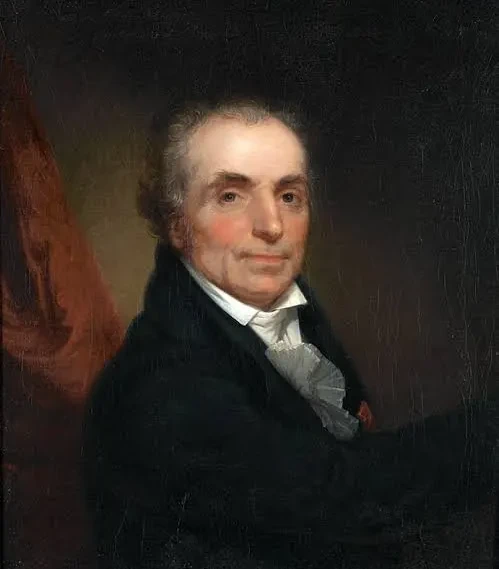
Jean-Antoine Houdon has secured his place in history as one of the most influential figures in 18th-century French and global sculpture. Born in Versailles in 1741, Houdon immortalized the brightest minds, philosophers, and statesmen of his era through portrait sculptures that contributed uniquely to both art history and historical memory. His works go far beyond mere physical likeness; they offer a profound psychological narrative that reveals the inner world, character, and intellectual depth of the subject. By inviting the leading lights of the Enlightenment—such as Voltaire, Rousseau, Diderot, and Benjamin Franklin—into his studio, Houdon masterfully captured their essence, granting them a victory over mortality. Today, these pieces are viewed not just as art objects, but as windows into the intellectual landscape of that period.
Who is Houdon? His Artistic Journey and Masterpieces
Jean-Antoine Houdon displayed his talent for the art of sculpture at an early age and trained at the prestigious Académie des Beaux-Arts in Paris. Between 1764 and 1768, he resided in Rome, where he developed a deep familiarity with the sculptural traditions of Antiquity and the Renaissance. However, Houdon was never a strict academician. While he absorbed classical models, he developed his own artistic language independently of tradition. His greatest contribution was prioritizing realism over the trap of idealization that portrait sculpture often fell into at the time. The wrinkles of the subject, the tension in the face, the light in the eyes, and the naturalness of the pose are the core elements that sharply distinguish Houdon’s work from other portraits of the era. The statue of George Washington, which he produced by modeling the leader in person during a visit to America, remains accepted today as the most authentic and respected portrait of the U.S. founder. Similarly, his seated statue of Voltaire is one of the most striking masterpieces in art history, capturing the elderly philosopher’s sharp wit and cynical humor in stone.
Technical Mastery and Contribution to Sculptural Art
Houdon’s most remarkable technical achievement is his method of carving the pupil in marble sculpture. While many sculptors of the time left the eye as a flat surface, Houdon deepened the iris and slightly hollowed out the pupil to allow light to refract, creating a genuine sense of vitality. This technical innovation gave his portraits such a powerful lifelike quality that viewers occasionally forget they are looking at marble or bronze. Houdon was also known for his profound interest in anatomy. His anatomical figure "L'Écorché," produced for medical purposes, reveals the flayed human body with extraordinary accuracy and continues to be used as a reference in art schools and medical faculties today. Having navigated the turbulent years of the French Revolution, Houdon passed away in Paris in 1828, leaving behind not just art, but a lasting vision of what portrait sculpture could truly achieve.
Date Added: