Ernst Barlach - German Sculptor
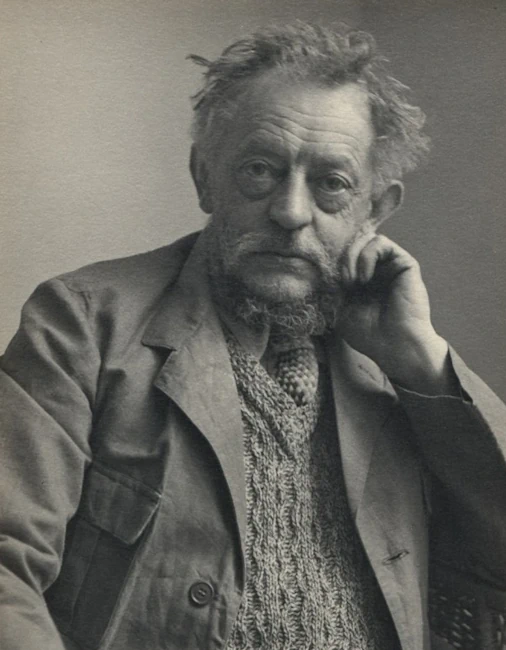
Ernst Barlach has earned his place in art history as one of the most original and profound representatives of 20th-century German sculpture, known both for his works and his dramatic life story. Born in Wedel in 1870, Barlach created a unique world of expression through his contributions to sculpture, graphic arts, and playwriting. The raw material of his art consists of pain, poverty, helplessness in the face of fate, and the human dignity that strives to remain standing despite it all. Deeply influenced by Late Gothic German art and the Russian peasant life he encountered during his 1906 journey to Russia, Barlach drew from these sources to produce works that narrate both his own era and the universal drama of humanity. The devastation of World War I further intensified his art, leading him to create monuments and figure sculptures that strikingly express the futility of war and human loneliness in the face of such meaninglessness.
Who is Barlach? His Artistic Journey and Masterpieces
Ernst Barlach received his art education in Hamburg and Dresden, followed by a period of work in Paris. However, his true artistic transformation occurred during his 1906 trip to Russia. The impoverished peasant figures he met in the vast Russian steppes provided him with both a visual and spiritual epiphany, becoming the primary inspiration for the stark weightiness in his art. The voluminous garments, bowed heads, and introspective poses in his massive figures are direct reflections of these Russian impressions. Among Barlach's most recognized works are "The Singing Woman," "The Beggar Woman," and the hovering angel figures he created for various war memorials. However, with the rise of the Nazi regime, his works were classified as "degenerate art" (Entartete Kunst) and removed from museums; some were even destroyed. This tragedy became a symbol of the great cultural devastation experienced not only by Barlach but by all of German Expressionism under Nazi oppression.
Technical Mastery and Contribution to Sculptural Art
Barlach’s preferred medium was primarily wood, though his bronze casting works also permanently solidified his place in art history. The surface texture found in his wood sculptures possesses a raw power that appeals to instinct rather than just the eye, materializing the burden and tension expressed by the figure. Barlach’s figures do not move; however, this stillness is not laziness or stagnation, but a deliberate heaviness evoking the slow-paced stride of a human crushed under the weight of fate. Expressionist distortion in his work never devolves into mere formalism; instead, every exaggeration is consciously employed to convey a human truth more powerfully. Barlach, who passed away in 1938, did not live to see the beginning of his partial rehabilitation. Nevertheless, his works, re-evaluated in the post-war period, are proudly exhibited today in many major collections, most notably the Ernst Barlach Museum in Gutersloh and the Kunsthalle in Hamburg.
Date Added: