Thomas Houseago - British Sculptor
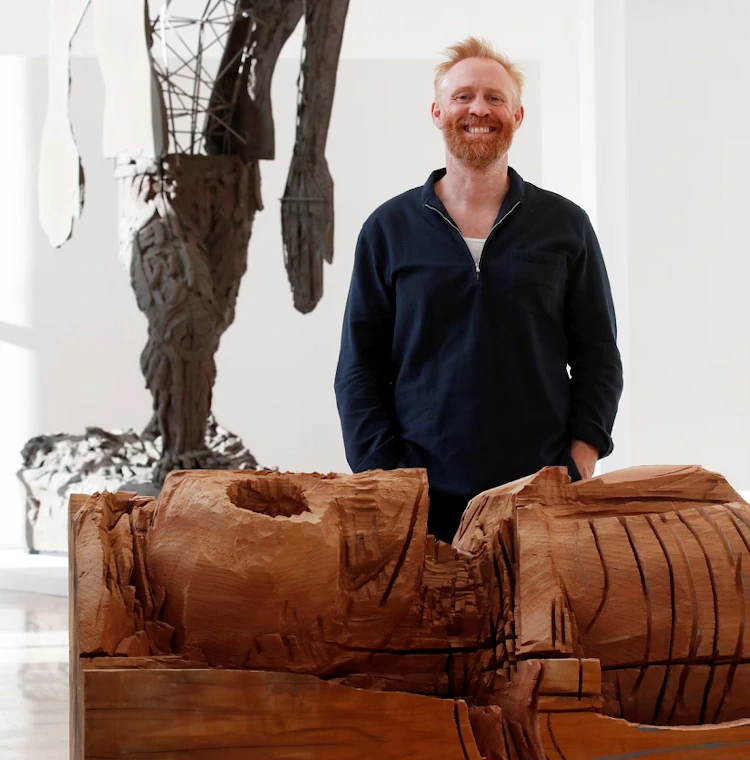
Contemporary sculpture world's most original and controversial names, Thomas Houseago, was born in 1972 in Leeds England. His childhood years spent in the working-class atmosphere of Northern England left deep marks on his artistic identity. Houseago who discovered at an early age that art is not a privilege but existence itself continued his art education which he started at Leeds Metropolitan University at St. Martins College of Art and Design in London. Then he moved to Amsterdam, Holland and the years he spent there played a critical role in the maturation of his artistic language. Amsterdam’s free and experimental art environment provided the ground for Houseago to find his own voice.
Houseago's art journey followed an active course geographically. Moving to Los Angeles after Amsterdam, the artist entered the very center of the international art scene. Los Angeles' sunny and wide studio culture provided an environment extremely suitable for his large-scale sculpture production. Today, Houseago moving between both Los Angeles and European centers has established a deep-rooted place in the international art world. His story is a striking example of how geographical borders shape artistic identity and how an artist can be nourished by different cultural atmospheres.
Artistic Language and Style
For someone seeing Thomas Houseago's sculptures for the first time, the most striking feeling is that those works carry a strange universality that defies time. In his sculptures, archaic and modern elements; the figurative tradition of ancient civilizations and the abstract language of contemporary art coexist. The works are mostly large-scale but this greatness is not for show. On the contrary it is a tool used to make the weight and fragility of the human figure even more evident. Houseago almost never abandons the figure; but that figure is in an uncertain existence swaying between the familiar and the undefined.
Materials he uses are an inseparable part of his artistic identity. Plaster, wood, iron and cast concrete are among the materials Houseago most frequently uses. The raw and unprocessed appearance of these materials gives his works a deliberate sense of incompleteness. It is as if the figures are still in the process of formation; they stand as if caught in the middle of creation. This aesthetic preference overlaps with a deep philosophical attitude implying that existence can never be truly completed. Houseago's sculptures carry a disturbing beauty for this reason; they are not easy to watch but once looked at it is just as hard to let go of the eye.
Important Works and Exhibitions
Thomas Houseago's true prominence on the international art scene gained momentum from the mid-2000s onwards. Large-scale figurative sculptures emerging from his studio in Los Angeles attracted intense interest from gallery owners and collectors. The inclusion of the artist in the Hauser & Wirth gallery significantly increased Houseago's international visibility. His solo exhibitions held at Hauser & Wirth venues in London, New York, Los Angeles and Zurich received strong reactions from critics and art lovers.
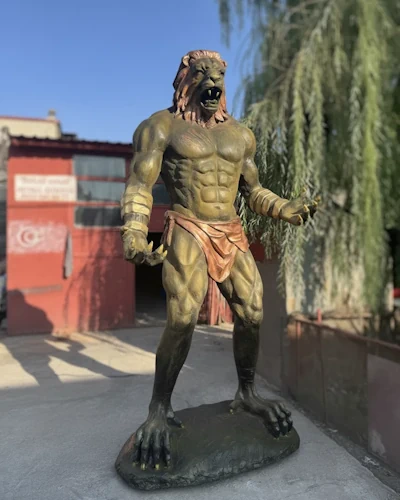
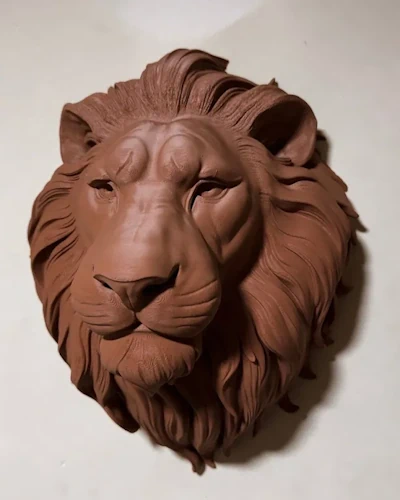
One of Houseago's most striking works is the hybrid figures he created by intertwining human and animal forms. These figures are original creatures that evoke mythological beings but do not fully fit into any specific mythology. In some of his works faces are deliberately erased or obscured; this choice asks deep questions about identity and anonymity. Venice Biennale basta olmak uzere, Houseago's works are in New York MoMA, Los Angeles County Museum of Art and many private collections.
The artist's drawings on paper are as important as his sculpture works. These drawings offer extremely valuable clues to his thought process, form searches and how his figurative language evolved. For Houseago drawing is not a preliminary sketch of the sculpture but an independent and completed form of artistic expression. This attitude reveals how integrated and organic his understanding of production is.
The Connection Between Personal Life and Art
Thomas Houseago has never hidden the bond between his art and his personal history. His outspokenness about the difficulties he experienced in his childhood, his search for identity and existential pains separates him from the relatively closed and distant figures of the art world. The theme of fragility and strength frequently encountered in his works is a direct reflection of his own life experience. For Houseago art is not therapy but the practice of confronting existence itself.
The relationships he established with the art circles in Los Angeles also constitute an important dimension of his career. Friendships and intellectual exchanges he developed with Mark Bradford, Sterling Ruby and other contemporary American artists have been one of the important sources feeding Houseago's artistic universe. At the same time he established strong ties with the music world; this intercultural relationship is reflected in the sense of rhythm and movement in his works.
Thomas Houseago's Contribution to Art
Thomas Houseago made his most important contribution to the contemporary sculpture world by moving the figurative tradition to a meaningful and contemporary ground again. In a contemporary art environment where Abstract art's has established its hegemony for many years, centering the figure requires courage, originality and a deep historical consciousness. Houseago showed this courage and did not fall into either a nostalgic academism or an easy figurative narrative while doing so.
His works have assimilated a wide universe of references ranging from ancient Egyptian sculpture to primitive African art, from Picasso's cubist figures to Alberto Giacometti's long and lonely figures, and transformed them into a completely personal language. This synthesis makes Houseago a truly original voice in 21st-century sculpture. Thomas Houseago's sculptures are today in the world's leading museums and collections and are considered among the strongest examples of contemporary figurative sculpture by art critics and researchers. That sculpture is the document of existence of an artist who carries the accumulation of the past but has definitely fixed his eyes on the future.
Date Added: