
 ★ 4.3 (4)
Clay Ceramic Sculptures
Clay and ceramic sculptures are original works emerging from the warmth and workability of natural material, drawing from one of humanity's oldest artistic traditions. Clay shaped by hand acquires a permanent and durable form during the firing process. Artistic ceramic sculpture offers a wide range of production possibilities extending from traditional pottery art to modern installations. Each work produced by hand in an atelier environment carries a unique and unrepeatable quality.
Clay Sculpture Production
Clay sculpture production uses chamotte clay mixtures. Chamotte added to clay reduces the risk of cracking during firing and allows large forms to be properly kiln fired. Every type of design from human figures to animal forms, abstract works to relief panels can be realized with clay. After firing, surface treatments are applied with glaze, primer or natural earth paints.
Ceramic Sculpture Art
Ceramic sculptures are fired at high temperatures and coated with a glaze layer that hardens like glass. Thanks to this feature they can be used durably both indoors and outdoors. From decorative wall sculpture to garden sculptures, corporate art works to collection pieces, they appeal to a wide range of uses.
Custom Design and Production
We are by your side with our experienced artists from concept to delivery in your clay and ceramic sculpture projects. We produce in every scale from small atelier works to large scale ceramic works and ship throughout Turkey and abroad.
Last Updated Date:
Statues: Clay Ceramic Sculptures
-
★ 4.3 (4)
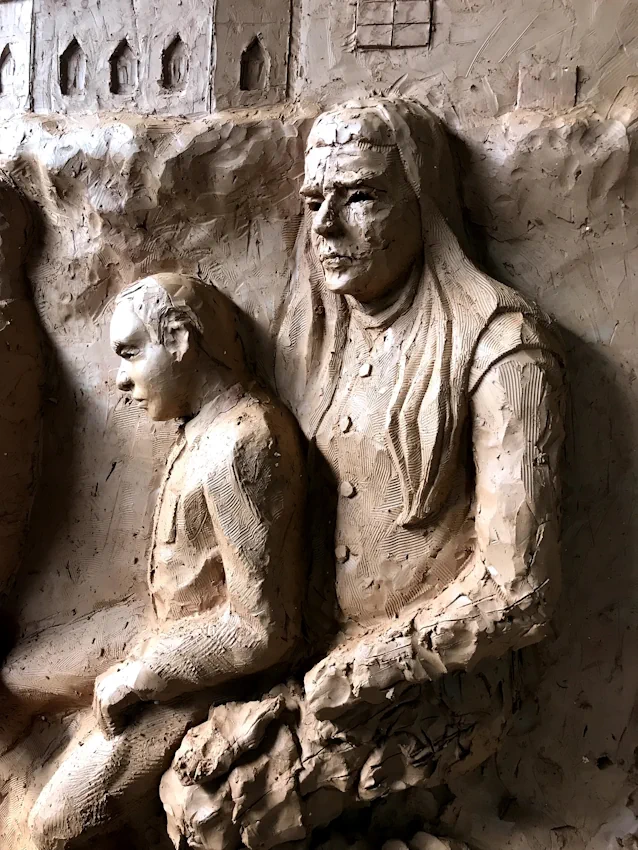
Examples of simple relief work: basic design -
 ★ 5.0 (5)
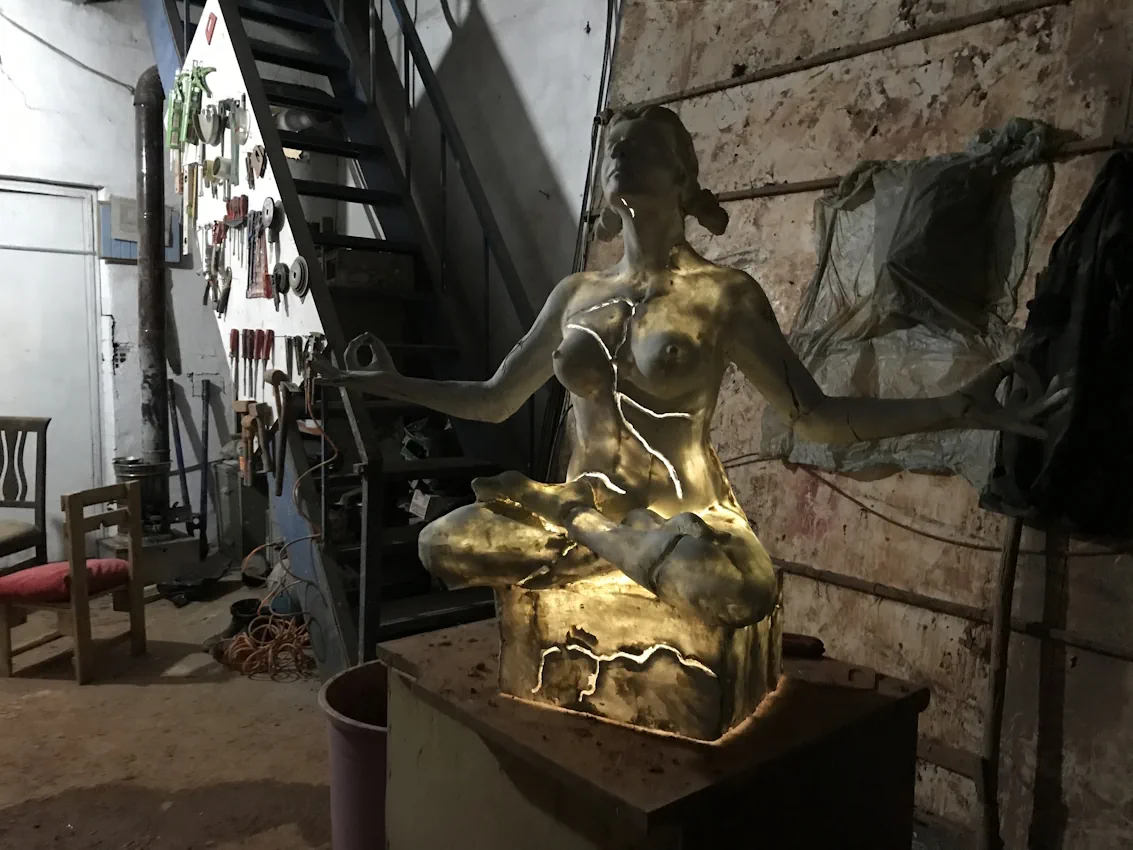
Sale of a statue of a woman meditating Meditation Statue
-
 ★ 3.8 (5)
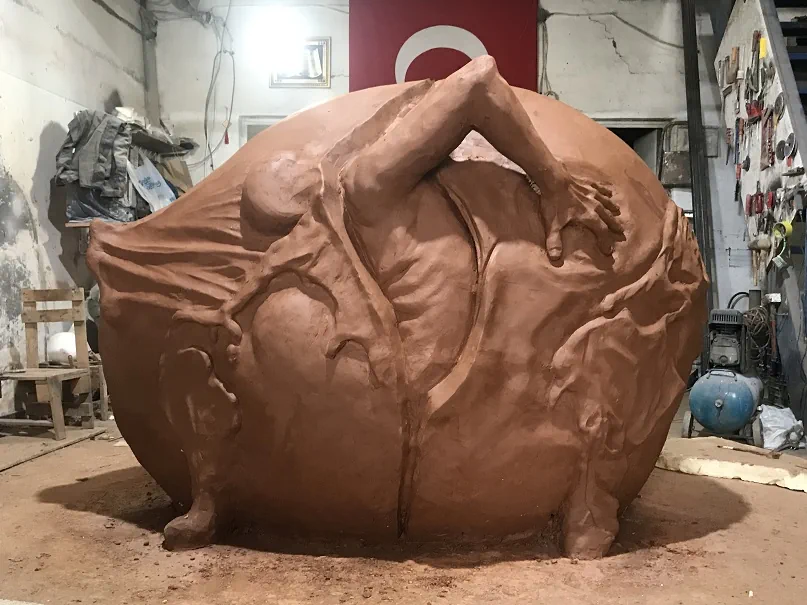
A fetus sculpture representing a baby in the womb. Fetus Sculpture
-
 ★ 4.3 (4)
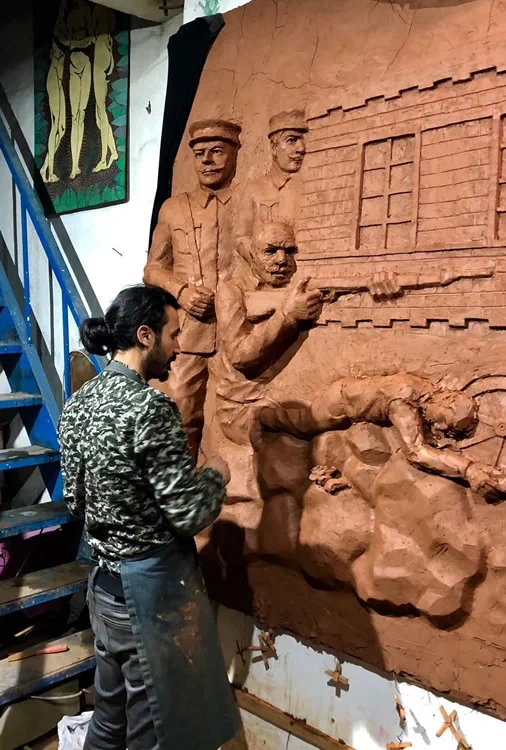
Examples of clay relief sculptures and relief clay models Clay Relief Work
-
 ★ 4.2 (5)
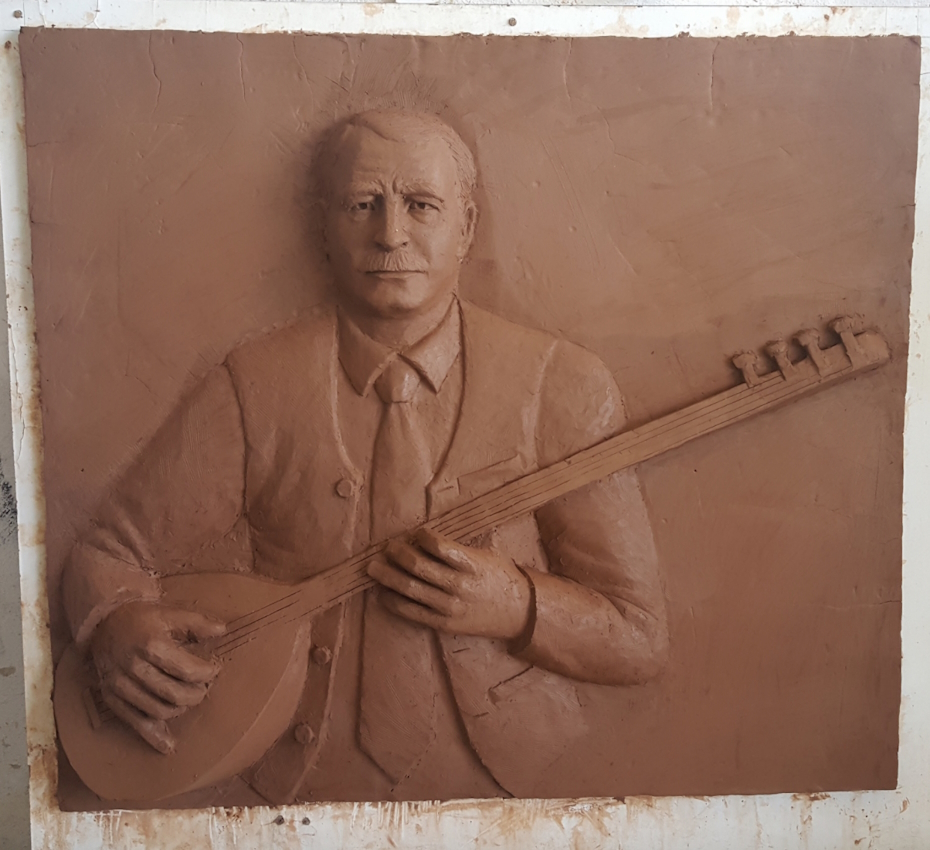
Musical instrument art relief sculpture paintings Relief Pictures
-
 ★ 5.0 (3)
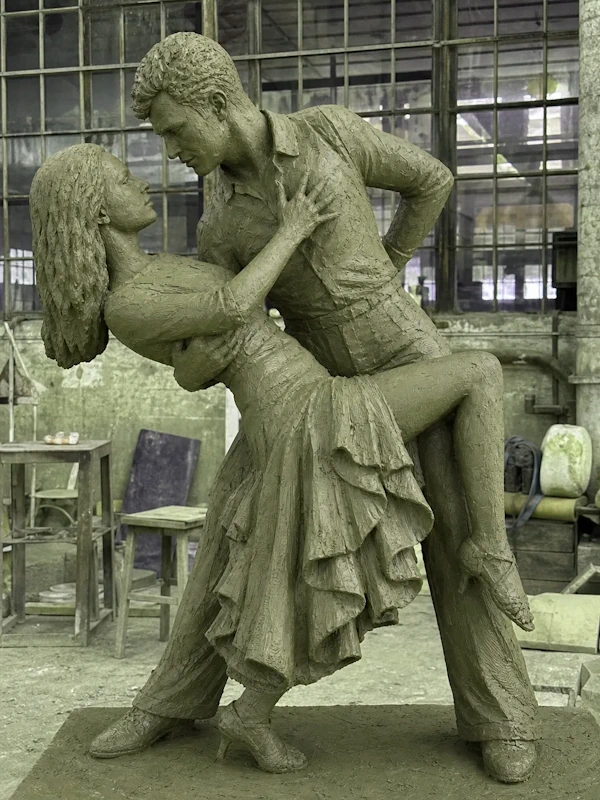
Statue of a dancing man and woman, dance figure study Dance Sculpture
Clay Ceramic Sculptures - FAQ
What types of clay are used in clay sculpture making? The most preferred types are chamotte clay, stoneware, and terracotta. Chamotte clay reduces the risk of cracking in large forms thanks to its fired clay particles. Stoneware stands out with its resistance to high temperatures and solid structure. Terracotta is a classic clay type that fires at low temperatures and is favored for its warm color and ease of shaping. Each clay type is suitable for different forms, textures, and surface treatments.
Chamotte clay is a clay mixture containing ground and pre-fired clay particles called chamotte. These particles balance the shrinkage of clay during drying and firing, significantly reducing the risk of cracking. Regular clay has a more homogeneous structure and is suitable for fine detailed work, but is more prone to cracking in large forms. Chamotte clay is preferred in sculpture and large-scale ceramic production due to its reliability and durability.
Clay sculpture refers to a work formed by hand-shaping raw clay and can be displayed without firing. Ceramic sculpture is a fired clay work, typically glazed and with a glassy surface, fired at high temperatures. Ceramics are harder and more durable, providing long-lasting use both indoors and outdoors. Clay sculptures generally represent the production stage, while ceramic sculptures represent the finished and permanent form.
Chamotte clay mixtures are preferred to prevent cracking in large-scale clay sculptures. The interior is hollowed out to ensure even wall thickness, so that shrinkage during drying and firing occurs in a balanced way. The sculpture must be dried slowly and carefully, protected from sudden changes in humidity and temperature. The firing temperature is increased gradually. The technical knowledge of an experienced artist plays a decisive role in this process.
To order a custom clay sculpture, basic details such as size, form, and intended use are determined first. Reference images, sketches, or concept notes are shared with the artist. The studio provides information on material selection, production time, and pricing. After the approval stage, production begins and regular communication is maintained with the client throughout the process. Surface treatments and packaging are completed before delivery. Shipping options across Turkey and abroad are also available.
The production time for ceramic sculptures varies depending on the size, complexity, and surface treatments applied to the work. A small-scale piece can be completed in an average of one to two weeks, while large and detailed works may require four to eight weeks or more. Each stage including shaping, drying, bisque firing, glazing, and final firing must be applied with care. In custom design projects, the design approval process is also added to the total production time.