Relief Pictures Price and Sales
Relief pictures are a traditional sculptural art form in which figures or portraits are carved in raised relief on a flat surface. Created using materials such as clay, plaster, or stone, these works are preferred for both decorative and monumental purposes.
The History of Relief Art
Relief art has a history spanning thousands of years. From the temples of ancient Egypt to Hittite artifacts, from Ottoman gate facades to Seljuk architecture, it has held an important place in every era and culture. Anatolia is one of the world's richest regions in terms of this art form. The tradition that began with the wall decorations of Catalhoyuk continues to be carried on with great skill in modern workshops today.
What Are the Types of Relief?
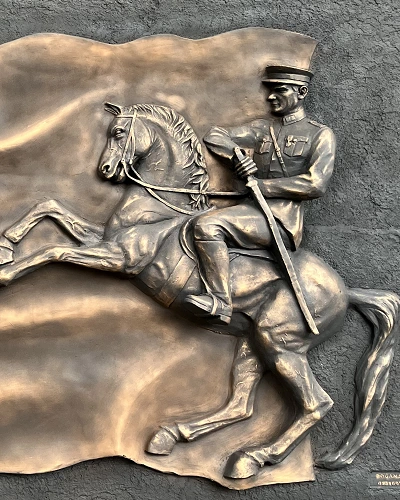
Relief art is divided into different types depending on how much the figure rises from the surface. Bas-relief is the type where the figure rises very little from the background, commonly seen in coins and architectural decorations, offering an elegant appearance. Mezzo-relief is the type where the figure is separated halfway from the surface and is the most preferred type for portrait panels. Haut-relief, known as high relief, is the most striking type where the figure is almost completely separated from the surface, used in monumental structures and facade works. There is also the intaglio type, where the figure is carved inward into the surface. This method was common in ancient times but is less preferred today.
What Materials Are Used?
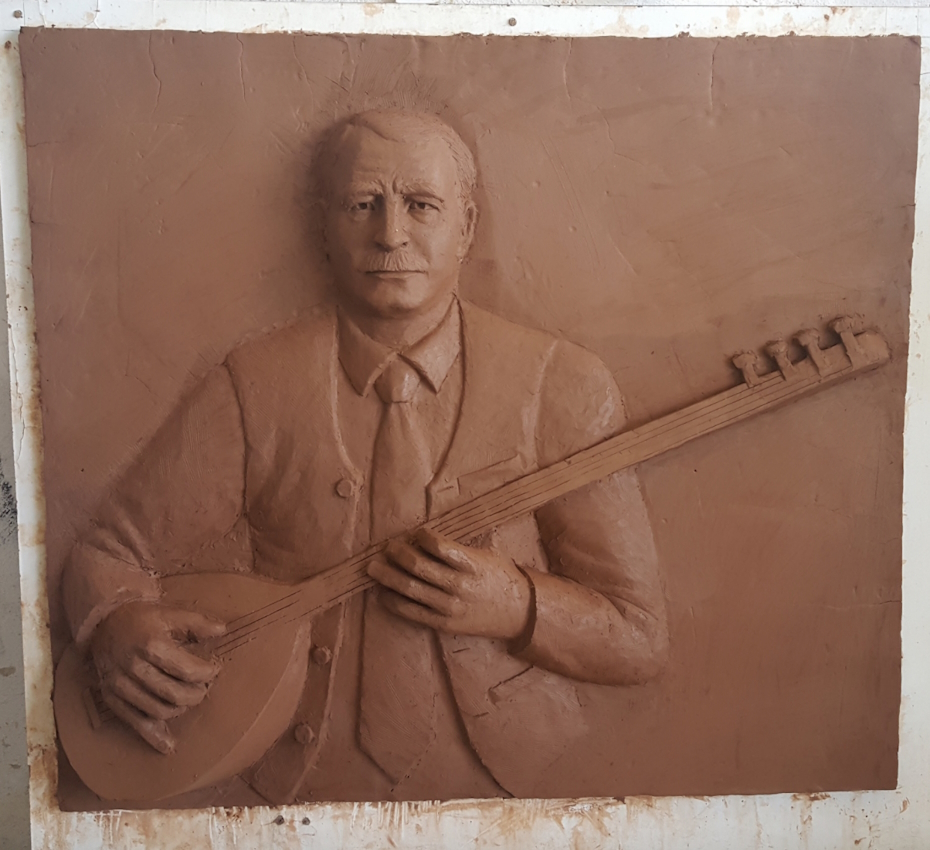
The most common material in relief making is clay. Highly workable, easy to correct, and extremely durable once fired, clay forms the foundation of both traditional and modern relief works. The warm earthy tone seen in the ozan portrait on our page is the natural color of raw clay.
Plaster, with its lightweight structure and ease of workability, is frequently used in indoor relief works and adapts well to all types of paint and coating. Stone materials such as marble and travertine are the most permanent and prestigious options, preferred for outdoor and monumental works. Wood holds an important place in traditional Turkish handicrafts, especially in mosque doors and mihrab decorations. Bronze stands out in monument and plaque works thanks to its resistance to outdoor conditions and the patina tone it develops over time.
How Is Relief Made?
The production of a relief work consists of several stages. First, reference images are collected and the composition is designed. Clear photographs from the client are of great importance in portrait works. Afterwards, the surface is prepared and the material is attached to it to form the general volume of the figure. The most critical and time-consuming stage is the modeling stage, where the artist carefully works on facial features, clothing folds, and the positioning of the hands. Finally, surface touch-ups are completed, clay works are fired in a kiln, and painting or patina is applied if needed.
Relief Portrait: Where Art Meets Memory
Rendering a person or historical figure in relief means protecting them against time. Photographs fade, digital files can become corrupted, but a face carved into clay, stone, or bronze will stand for generations. The saz-playing ozan figure on our page is a striking example in this regard. The saz is a deeply rooted instrument that carries the voice and memory of Anatolia. The depth in the ozan's facial expression, the position of his hands on the instrument, and the realism in the folds of his clothing clearly show how much meticulous craftsmanship this work requires.
Where Are Relief Pictures Used?
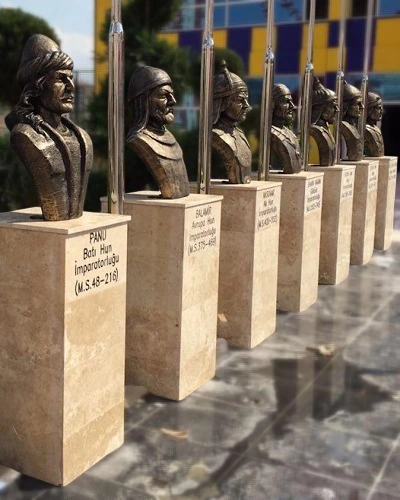
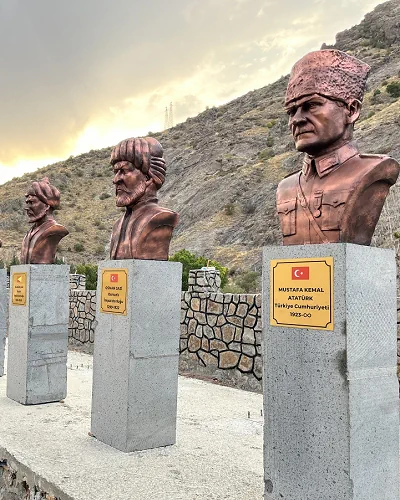
The areas of use for relief works are extremely wide. While custom portrait reliefs hung on living room or hallway walls in home decoration carry personal meaning, reliefs of historical or cultural figures in public spaces such as municipal parks, cultural centers, and music schools serve as a form of collective memory. In corporate settings, they appear as founder portraits, logo embossments, and award plaques. Using relief to immortalize a loved one on a grave monument has also become an increasingly preferred practice in recent years.
How to Order a Custom Relief?
The first step to ordering a custom relief is to get in touch with us. Whether you have a clear vision in mind or haven't quite decided yet, feel free to reach out through the form below or through our other communication channels.
Registration Date:

Rate:
4.2
5 Vote