Relief Work Price and Sales
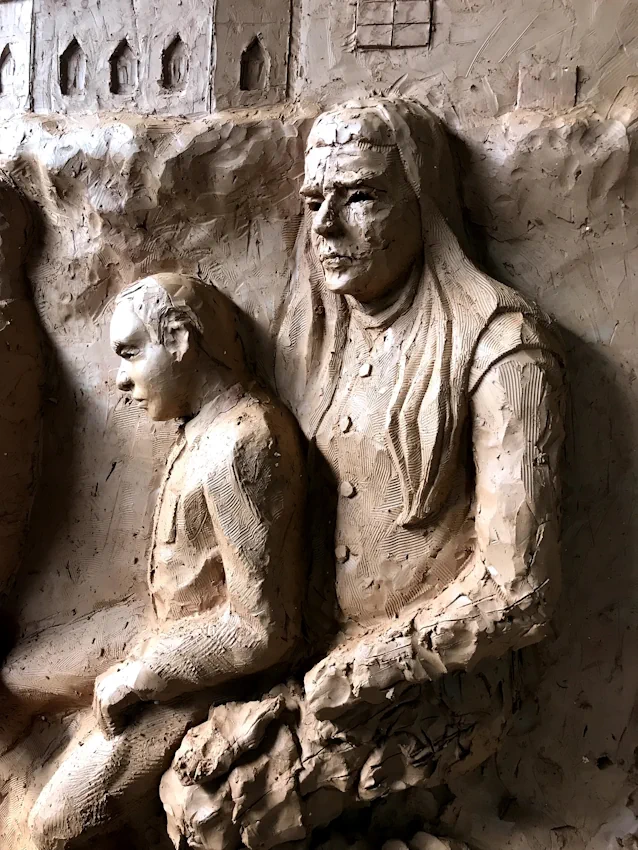
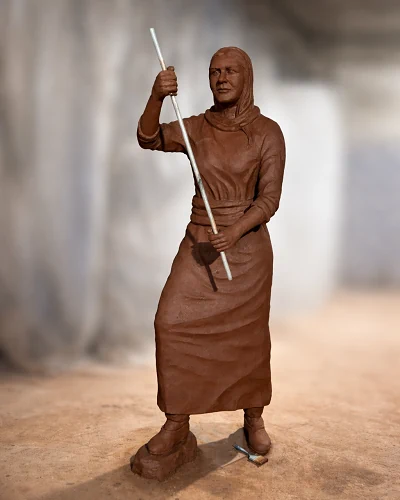
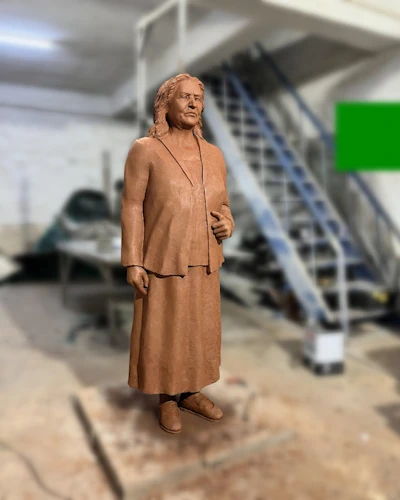
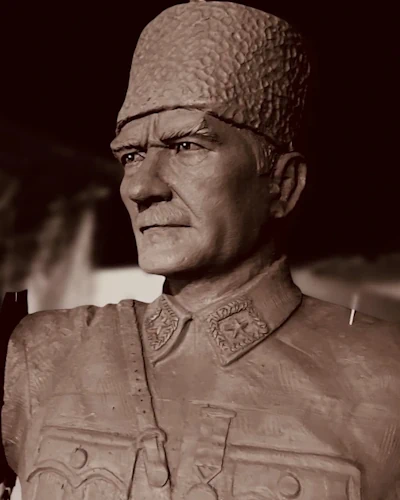
Relief is one of the most impressive sculpture art forms that comes to life through the relief technique of raised carving from a surface. Defined as figures, scenes or motifs on a flat surface gaining a three-dimensional appearance, relief is a unique form of expression both architecturally and artistically. Applied on different materials such as stone, marble, bronze and clay from ancient times to the present day, this technique has been one of the most powerful means of expression for artists throughout history as a Relief Work. In a relief work, the voice of the past is carried to the future.
History and Cultural Importance of Relief
The roots of relief art extend back to humanity's first settled civilizations. From the cuneiform stone carvings of Mesopotamia to the temple walls of Egypt, from the Hittite works of Anatolia to the triumphal arches of Rome, relief sculptures have been the most powerful means of conveying the stories, victories and beliefs of societies throughout history. In Turkish and Islamic art, relief has stood out as an indispensable element of mosques, tombs and palace walls. The most mature examples of relief art can be seen in Seljuk stonework and Ottoman architectural ornamentation. This deep-rooted tradition continues its existence today as a living art form.
Types and Techniques of Relief
Relief art is applied with different depths and techniques depending on the surface. Bas-relief is a fine and elegant technique featuring figures that rise very little from the surface and is frequently used on coins and medallions. Mid-relief is a technique in which figures emerge noticeably from the surface, strengthening the sense of volume and depth. High relief is the most dramatic and impressive relief form in which figures gain an almost fully three-dimensional appearance. Incised relief is a special technique in which figures carved into the surface remain below the surface, creating a reverse depth effect. Each technique carries a different narrative power and aesthetic value.
Relief Production Process
Relief work is a multi-stage process requiring meticulous planning and masterful application. In the first stage, the composition design is made; the placement, proportions and narrative flow of the figures are determined. The sketch is then transferred onto the selected material. Working with clay is the most common first step in relief art; clay allows the artist flexibility and the opportunity to correct mistakes. After the clay model is completed, a plaster mold is taken, from which casting is done in the desired material. Relief that can be transferred to different materials such as bronze, fiberglass or stone powder takes its final form with surface treatments and patina applications. The more detail there is, the longer and more meticulous the process proceeds.
Architectural and Decorative Use of Relief
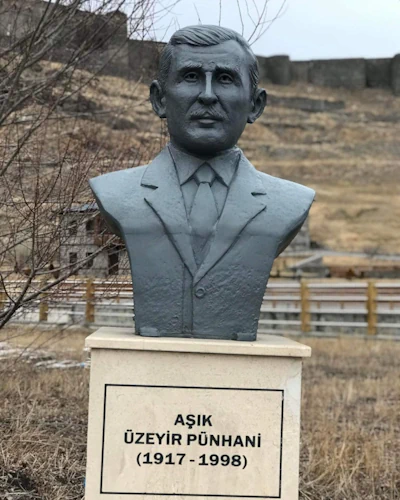
Relief has a wide range of uses in architecture and decoration today. Building facades and entrance doors gain a corporate identity and artistic power with relief ornamentation. Relief panels specially designed for mosques, cultural centers and official buildings add meaning and depth to the space. In interior decoration, original relief works for living rooms, lobbies and offices take the space beyond the ordinary. Reliefs worked onto monuments and gravestones convey the story and values of the commemorated person in a lasting way. Relief art demonstrates itself with equal power in both small-scale decorative applications and large architectural projects.
Custom Relief Orders
Relief is also a highly preferred art form for custom orders. Family stories, historical scenes, corporate logos and symbolic compositions can be immortalized through relief technique. Relief wall sculptures narrating the history, culture or significant events of a city can be produced for municipalities and public institutions. Small-scale relief works are also designed for private collectors and art enthusiasts. Material selection, dimensions and composition are determined entirely according to the customer's request. Each relief order is the product of a deep dialogue between the artist and the customer, and the resulting work is always unique.
Why Should Relief Be Preferred?
Relief offers an understanding of art that integrates with the space, unlike other sculpture forms. A relief mounted on a wall functions both as a work of art and as an architectural element. Reliefs produced with long-lasting and durable materials preserve their original appearance for centuries with proper care. Relief, which has been a powerful means of expression throughout history, continues to be the first choice of those seeking corporate prestige, cultural identity and artistic depth today. If you are considering a relief or a different statue order, we bring the highest quality and most original works to life for you with over 20 years of experience.
Registration Date:

Rate:
4.3
4 Vote