Plaster Sculpture Price and Sales
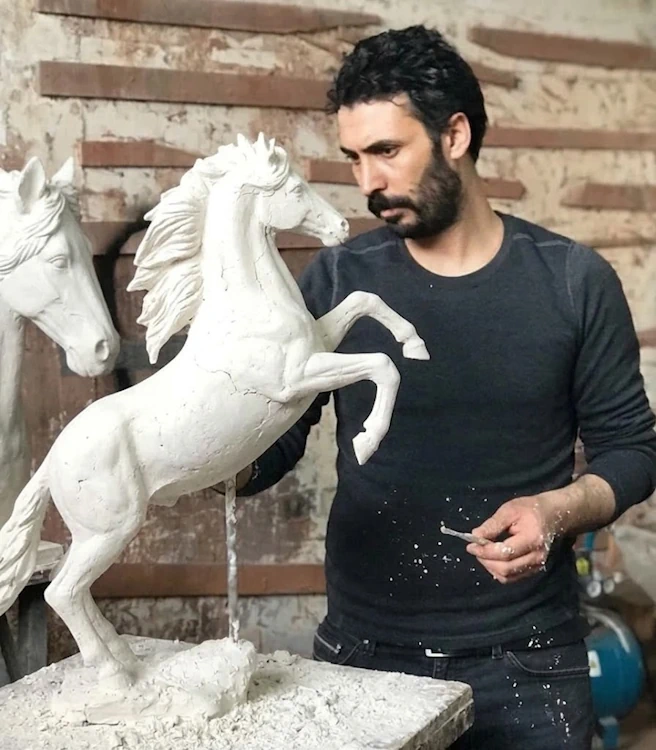
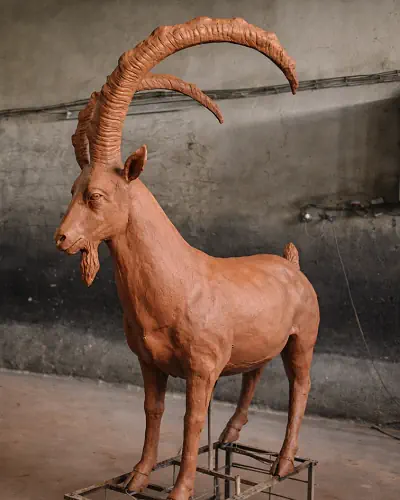
Plaster statues are one of the oldest and most widely used sculpting techniques in art history. The piece shown here is a plaster statue by Volkan Doğan, one of our workshop's sculptors, depicting a rearing horse figure. This piece serves as a great example for anyone who wants to visually understand how plaster is used in sculpture and the stages of its production.
What Is Plaster?
Plaster is a material obtained by processing naturally occurring gypsum mineral, which hardens quickly once mixed with water. In sculpture, plaster is used both for direct model making and for casting copy statues inside molds. Thanks to its low cost, easy availability, and fast setting properties, it has been one of the sculpture materials most frequently used by sculptors throughout history.
Plaster Statue Making
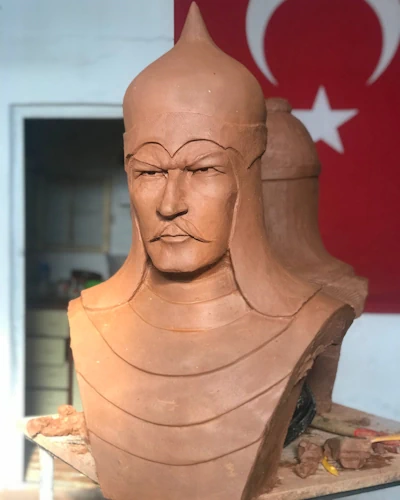
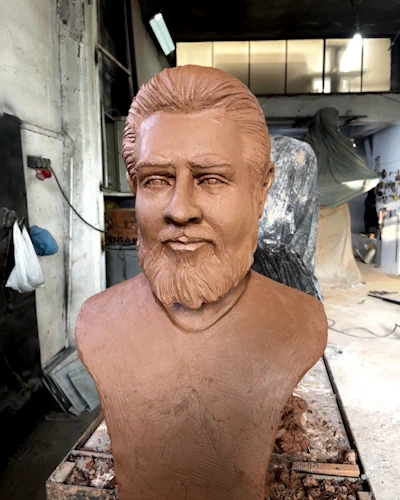
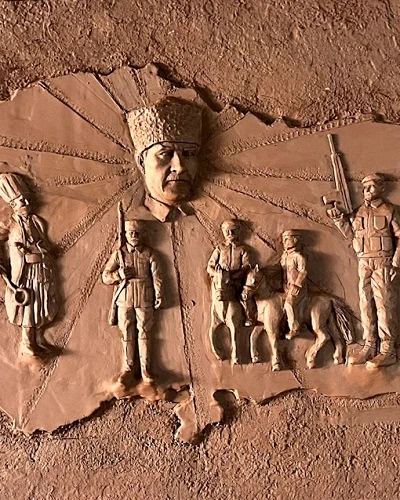
Plaster statue making generally begins with creating a detailed model of the figure in clay. As with the horse statue piece shown here, the sculptor first works out the figure's posture, muscle structure, and moment of motion in clay. Once the clay model is complete, a mold is taken from it, and diluted plaster is poured into the mold. After the plaster hardens quickly, the statue removed from the mold goes through surface correction, sanding, and detailing processes to reach its final form. This method offers a fast and practical production process, especially for working models and maquettes. The sculptor can also make fine surface corrections during the short window before the plaster fully sets.
Plaster Statue Molds
The molds used in plaster statue production are generally made from silicone or plaster. Thanks to their flexible structure, silicone molds can exactly replicate the fine details on the clay and can be reused repeatedly for multiple productions. In traditional plaster molds, a sectioned system is generally preferred, where the mold is prepared in several pieces and the pieces are joined together after casting. The quality of the mold directly affects the surface details and overall realism of the resulting plaster statue. For this reason, the mold taking stage is considered one of the most critical steps in the entire production process.
Large Plaster Statue Production
Producing a large scale plaster statue requires more technical knowledge and attention compared to standard sized works. In large statues, as the weight of the plaster increases, metal armatures or mesh systems are added to the internal structure for support. These supports help prevent the statue from collapsing or cracking under its own weight. In addition, molds for large scale works are generally prepared in multiple sections, and the pieces are joined together into a whole after casting. Large plaster statues are mostly preferred for indoor display or for use as an intermediate model before bronze or fiberglass production.
Durability of Plaster Statues
While plaster offers a fast and economical production option, it is a material with limited durability in the long term. Cracking, breakage, and surface deterioration on statues can occur in plaster statues due to moisture, impact, and stresses that build up over time. For this reason, plaster is generally regarded as a material used during the working stage, while different materials are preferred for permanent works to be displayed outdoors. Because of this, we use fiberglass in our final productions and recommend it to our customers. Fiberglass is much more durable than plaster, offers high resistance to outdoor weather conditions, and provides a longer lasting result against moisture and impact.
Plaster Statue Repair and Bonding
Cracks and broken pieces that develop over time in plaster statues can be repaired using the correct methods. Small cracks are generally filled with plaster putty or special repair fillers, after which the surface is sanded smooth. For joining broken pieces, strong adhesives are generally preferred, and when necessary, additional support rods are inserted inside the pieces. After bonding, the joint surface is covered with plaster and painted so that the repair is not noticeable from the outside. However, repeated breakage and repair processes can weaken the structural integrity of a plaster statue over time; for this reason, more durable materials such as fiberglass are recommended for projects that will be transported frequently or used outdoors.
The Historical Development of Plaster Statues
The tradition of plaster statues has continued since ancient times; plaster molding techniques were used in ancient Greek and Roman periods to produce copies of bronze and marble works. However, the period when plaster truly gained importance in the art world was the 18th and 19th centuries. During this period, many famous sculptors shaped their working models in plaster before transferring their final works into bronze or marble. French sculptor Auguste Rodin modeled almost all of his works first in clay or plaster, then used these models as the basis for bronze casting or the marble carving method. Italian sculptor Antonio Canova was also one of the artists who used plaster models extensively, and the plaster works produced in his studio are displayed today in private collections and museums.
Plaster Statue Prices
Plaster statue prices vary depending on many factors, such as the size of the statue, the number of figures, the level of detail, and the complexity of the mold. While small scale working models are relatively more affordable, larger and multi part compositions require more material and labor, leading to higher prices. In addition, whether the plaster statue will remain only as a working model or will be transferred into a permanent material such as fiberglass or bronze is also an important factor affecting the total cost. To get exact pricing information, a custom quote should be requested from our workshop based on the desired size and details.
If You Would Like to Order a Statue
We can carry out the entire process for you at our workshop, from the plaster model stage through to fiberglass production. If you would like to order a personal or corporate statue project, you can reach us through our contact page or our WhatsApp line.
Registration Date:

Rate:
5
1 Vote