Large Sculpture Molds
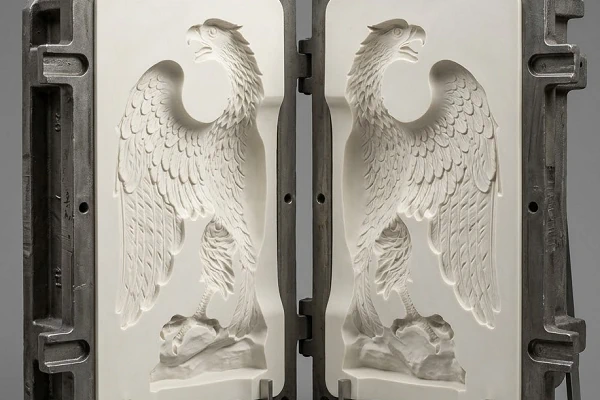
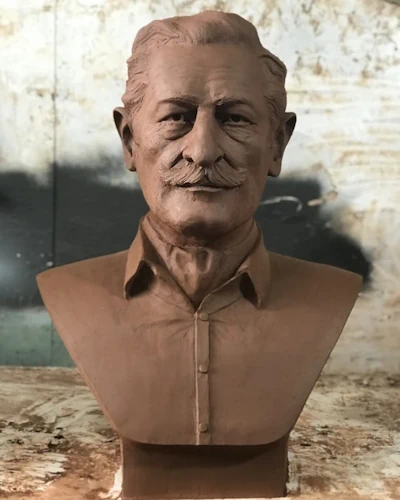
Large sculpture molds are professional production tools used in serial production or single-piece casting of monumental-scale artworks. A sculpture mold is made using silicone, polyurethane, plaster, or fiber-reinforced composite materials to produce an exact copy of the original work. During the molding process, the surface of the sculpture is first prepared, then the selected material is applied layer by layer to transfer every detail of the artwork completely. Large-scale sculpture molds require much more material, labor, and technical knowledge compared to small-scale molds, so the production process must be carried out with meticulous planning.
What Is a Large Sculpture Mold?
A large sculpture mold is a professional production tool prepared for use in monument, sculpture park, or public space projects, carrying all surface details of the original artwork. Thanks to these molds, any number of castings can be produced from the same work in any material. Among the most preferred materials in monumental sculpture mold production are flexible silicone, rigid polyurethane foam, and fiber-reinforced plaster. Each material has its own unique advantage; silicone transfers fine details perfectly while polyurethane provides high durability. The professional molding process guarantees that all features of the sculpture, from its surface texture to its smallest detail, are reflected in the casting without any loss.
How Is a Large-Scale Sculpture Mold Made?
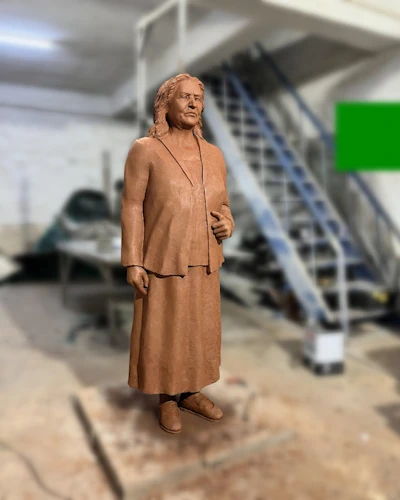
Large-scale sculpture mold making is a process that takes much longer and involves more complex technical stages compared to standard molding procedures. For monumental-sized sculptures, the mold cannot be taken in a single piece; therefore, the artwork is divided into sections and a separate mold is prepared for each section. The piece-by-piece molding method also makes it easier to transport and cast large sculptures. After each piece mold is cast separately, special adhesives and mechanical connection systems are used in the assembly stage. The connection points are carefully finished to achieve a smooth appearance without leaving any marks on the surface. Since all these stages require an experienced team and proper equipment, large sculpture mold production is both costly and time-consuming.
What Materials Are Used for Large Sculpture Molds?
Among sculpture mold materials, the most preferred ones are silicone rubber, polyurethane elastomer, plaster, and fiber-reinforced composites. Silicone rubber is preferred especially on complex surfaces due to its high flexibility and detail transfer quality. Polyurethane elastomers, with their harder structure, are ideal for large and heavy castings. Although plaster molds are advantageous due to their low cost, their brittleness makes them insufficient on their own for monumental projects; therefore, reinforced versions known as fiber-reinforced plaster molds are used. In large-scale mold projects, more than one material is used together to achieve both flexibility and durability. Material selection is determined by the expert team according to the final casting material, the size of the sculpture, and the number of units to be produced.
How Is Casting Done from a Large Sculpture Mold?
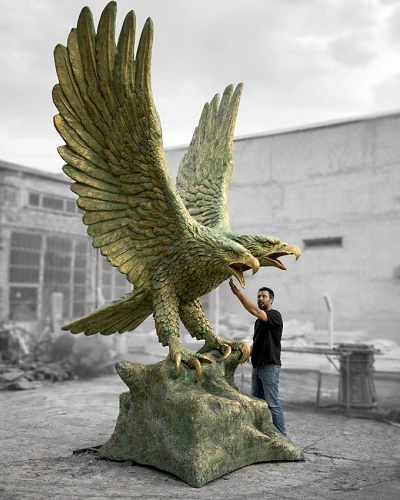
After the molding process is completed, the sculpture casting stage begins. Among the most preferred casting materials in large-scale projects are fiberglass, bronze, polyester resin, and concrete. After a release agent is applied to the inner surface of the mold, the selected casting material is applied layer by layer. Fiberglass sculpture casting is among the most preferred methods in large monument projects due to its light weight and durability. After casting is complete, the pieces are removed from the mold and assembly and surface finishing processes are applied. After painting, patina, and protective coating stages, the artwork is ready for delivery.
Expert Choice for Large Sculpture Molds: Heykel.org
Mold making and casting processes in monumental-scale projects require specialized expertise. Heykel.org stands out as one of the leading names in the sector for large-scale sculpture molds with years of experience. With its deep expertise especially in fiberglass sculpture production and its strong technical infrastructure, it provides mold making and casting services for every size and complexity. All production processes including piece-by-piece molding, assembly, and surface finishing are carried out meticulously by an experienced team. Serving a wide range from public space projects to private collections, Heykel.org is the right address for everyone looking for reliable and quality solutions in monumental sculpture production.
Date Added: | Last Updated: