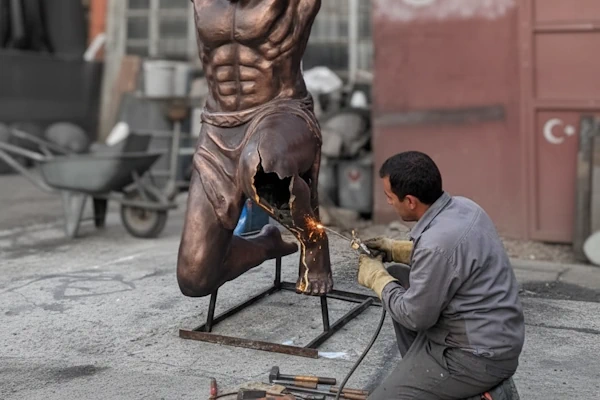
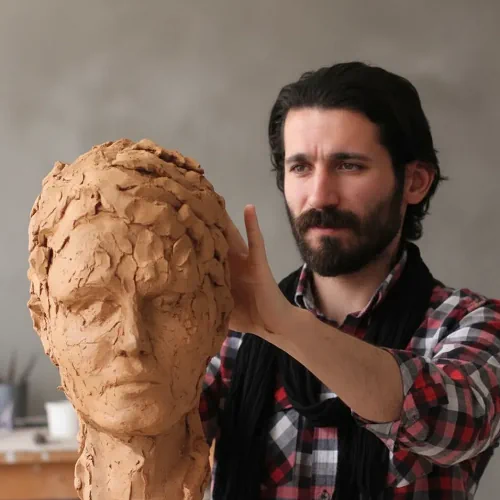
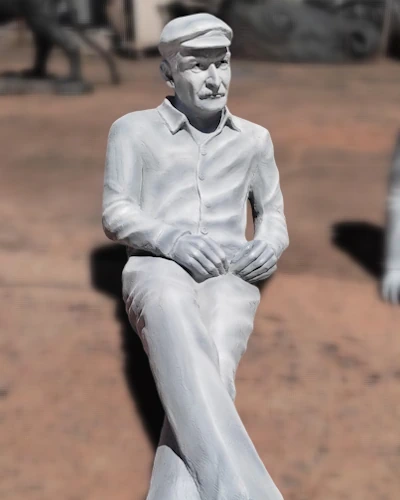
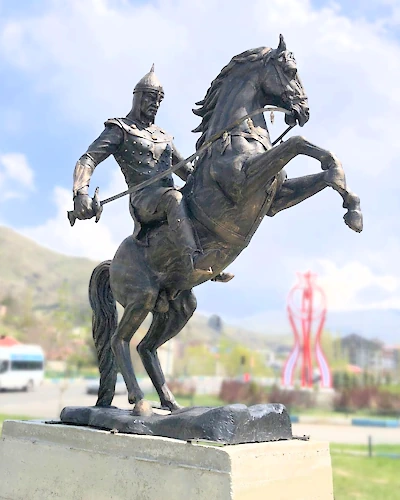
When a sculpture topples, breaks, or is subjected to any impact, the first few minutes are extremely decisive. A wrong move can make the damage permanent, while a correct initial response greatly facilitates the restoration process. Therefore, it is necessary to act step-by-step without panicking.
How to Perform First Aid for Damaged Sculptures?
The first thing to do is to photograph the artwork exactly where it is without touching any pieces. General views, broken surfaces, and detached parts should be recorded from different angles. These photographs will become critical documents for both the insurance process and restoration planning. No piece should be moved until the photography is completed.
Collection and Preservation of Detached Pieces
Every detached piece, no matter how small, must be collected. Newspaper should strictly never be used to wrap the pieces; newsprint ink can damage the surfaces. Instead, acid-free tissue paper or clean cotton cloth should be preferred. Each piece should be placed in a separate bag and numbered if possible. This numbering allows the restorer to quickly understand which piece belongs where.
How to Glue a Broken Sculpture?
A broken sculpture is strictly not to be glued by the owner. No adhesive should ever be used before a professional restorer arrives. This rule cannot be emphasized enough. Choosing the wrong adhesive or faulty alignment can make expert repair impossible. Some adhesives cause chemical damage to stone and metal surfaces, change the color of the surface, or bond broken edges so strongly that it becomes impossible to bring them back to the correct position. This well-intentioned but erroneous intervention sometimes leads to the total destruction of the artwork.
Emergency Storage Conditions by Material
How a damaged artwork is preserved depends on the material. Marble and stone works should be kept away from damp environments and should not be left in a place with high humidity. Metal works, especially bronze and iron, should be stored in a dry environment with low air circulation to prevent oxidation. Wooden works should be kept in an environment that is neither too dry nor too humid; sudden changes in humidity cause the wood to crack. Ceramic and terracotta pieces are extremely fragile and should be laid on a soft surface without touching hard ground.
Finding the Right Restorer
Not every restorer or sculptor capable of repair work is a master of every material. Someone specialized in bronze may be inadequate in marble restoration, and someone who works with stone may not show the same success with wood. Therefore, one should not make a hasty decision. An experienced restorer in the specific field should be researched according to the material of the work, their references should be examined, and if possible, their previous work should be seen. The cost of restoration is always a secondary issue; a low fee paid for a work delivered into the wrong hands can turn into a much greater loss in the long run.
Key Point of Sculpture Repair
If your product is insured, you can be a bit more relaxed about research and repair. However, if there is no insurance, you should have the first meeting with the company where you purchased the sculpture, explain the situation clearly, share the photos you took, and get information.
The calmer and more systematic the first response for a damaged sculpture is, the healthier the restoration process will proceed. Acting hastily, making well-intentioned mistakes, and attempting repairs without expert support often result in consequences that are difficult to compensate for. Often, the most correct intervention is simply to wait and find the right person.
How to Perform First Aid for Damaged Sculptures? FAQ
The first response for a damaged sculpture is to document the current state in detail by photographing the artwork without touching it. Recording the distribution of pieces and broken surfaces from different angles at the exact spot where the sculpture fell or was damaged constitutes the most critical stage of the restoration process. These visuals serve as essential documents for both insurance procedures and the professional restorer's reassembly plan. You should secure the environment without panicking and avoid moving the pieces until professional support arrives. Any movement made in haste can cause broken edges to rub against each other and wear down, making the repair impossible. Being patient during this process will save the future of the artwork.
Extreme care must be taken when collecting broken sculpture fragments; even the smallest pieces are vital for the success of the restoration. Using soft gloves instead of bare hands prevents skin oils from penetrating porous surfaces. Each piece should be individually wrapped in acid-free tissue paper or clean cotton cloths. The use of newspaper should be strictly avoided due to the risk of ink leaving permanent stains on the sculpture's surface. Wrapped pieces should be placed in numbered separate bags or partitioned boxes to prevent them from hitting each other. This systematic collection method allows the professional restorer to assemble the puzzle pieces much faster and more accurately.
Seeking professional support for sculpture repair is the only way to preserve the artistic and financial value of the work. An expert who knows the material of the broken sculpture well, understands its chemical structure, and has gained experience in similar restoration projects will never cause additional damage. A professional restorer provides safe craftsmanship by calculating which material will react with which adhesive. Amateur attempts usually cause irreversible visual distortions and structural weaknesses. Repair work from an expert hand makes the break lines nearly invisible, allowing the sculpture to regain its original aesthetics. Not taking risks and entrusting the job to a professional is the most economical and safe choice in the long run.
Repairing a broken sculpture with home resources and ordinary adhesives usually results in the complete ruin of the artwork. Choosing the wrong material leaves permanent marks on the broken edges and can chemically change the surface color. Household instant glues can expand when dry or corrode the material by creating an acidic layer on the surface. Furthermore, if a millimetric alignment error is made, it becomes impossible to separate and reassemble the pieces because most adhesives penetrate the pores of stone and metal, preventing expert intervention. Such well-intentioned but erroneous attempts not only increase the cost of professional restoration but also cause the original texture of the work to be lost forever.
The cost of sculpture restoration primarily varies according to the type of material the work is made of and the extent of the damage. Materials such as marble, bronze, wood, or terracotta each require different technical equipment and expertise. The number of broken pieces, the cleanliness of the broken surfaces, and whether there are missing parts directly affect the pricing. If a previous incorrect repair attempt was made on the sculpture, the cleaning of this faulty layer makes the process even more difficult and increases the cost. Additionally, the labor time, the cost of specialized chemicals used, and the experience level of the restorer are factors that determine the final figure. Since each project is unique, a clear price can only emerge after a detailed appraisal.
The first step in choosing the right sculpture restorer is to obtain information from the company or artist from whom the sculpture was purchased. These individuals or institutions can recommend experts who know the properties of the material best. The portfolio of the selected company or expert, including previous works, must be examined and references should be checked. Finding someone who has successfully worked with your sculpture's specific material before (e.g., only marble or only bronze) is essential for a safe job. An expert providing a detailed damage assessment report and a restoration plan before starting the job is an indicator of their professionalism. Instead of focusing solely on low cost, making a selection focused on experience and references guarantees the value of the artwork.