What is Fiberglass?

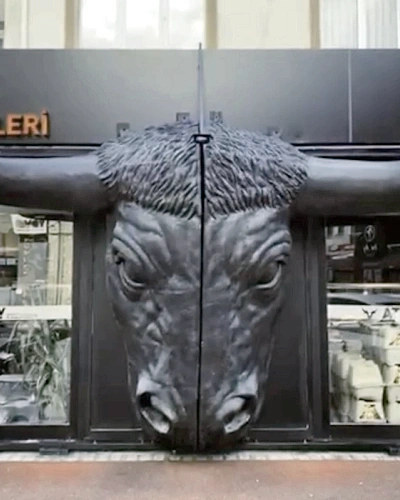
Fiberglass, one of the most revolutionary material inventions of the 20th century, is a composite material that stands for glass fiber reinforced polyester and has broken new ground in many industrial and artistic fields, particularly in sculpture. Created by combining thin glass filaments with polyester or epoxy resin, fiberglass offers high mechanical strength combined with an extremely lightweight structure, largely overcoming the constraints of traditional sculptural materials. Exempt from the weight of bronze, the fragility of stone, and the moisture sensitivity of wood, fiberglass has become the most preferred material in recent years, especially for the production of large-scale monument sculpture.
Why Fiberglass is Preferred
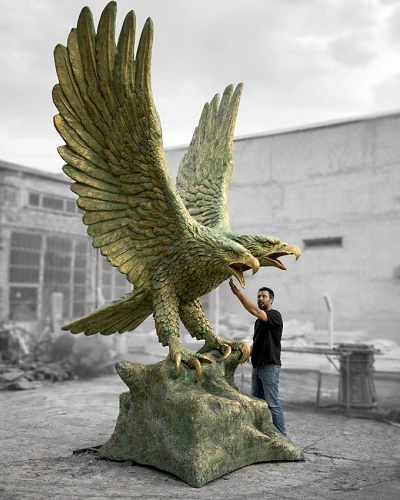
Several fundamental advantages lie behind the rise of fiberglass material in the art of sculpture. Foremost among these is the strength-to-weight ratio. When compared to a bronze sculpture of the same size, a fiberglass sculpture is approximately five to ten times lighter; however, its mechanical strength is perfectly adequate for its intended purpose. This lightness significantly reduces shipping costs, simplifies the installation process, and minimizes site preparation requirements. This feature is a decisive selection criterion, especially for sculptures to be placed on roofs, balconies, or in spaces requiring special structural reinforcement.
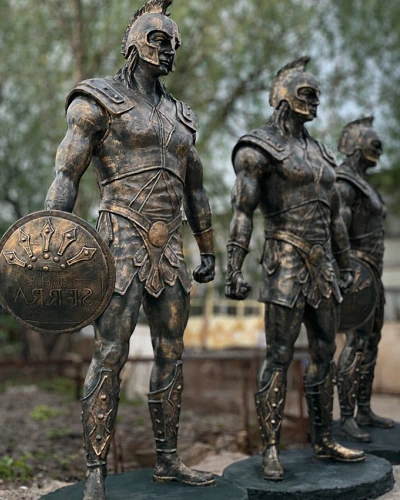
Another critical advantage of fiberglass material is its flexibility in providing surface variety. With gelcoat, specialized paints, and coating systems, a fiberglass sculpture can take on the appearance of bronze, stainless steel, marble, stone, gold, or wood. While this visual flexibility provides a great advantage for projects with budget constraints, it makes it possible to offer the aesthetics of expensive materials at a much more affordable cost. Furthermore, since pigments can be mixed directly into the resin during the fiberglass coloring process, the risk of fading and color change over time is minimized.
Production Stages of Fiberglass
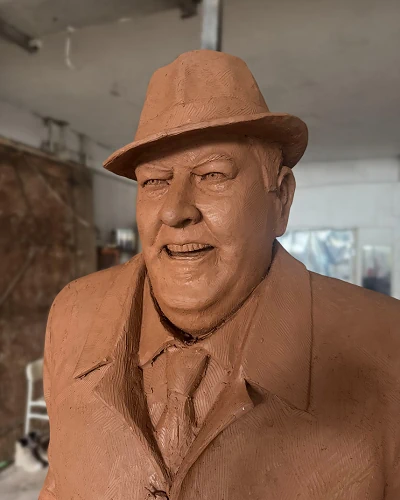
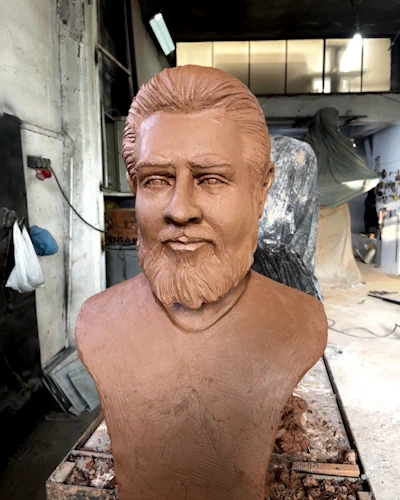
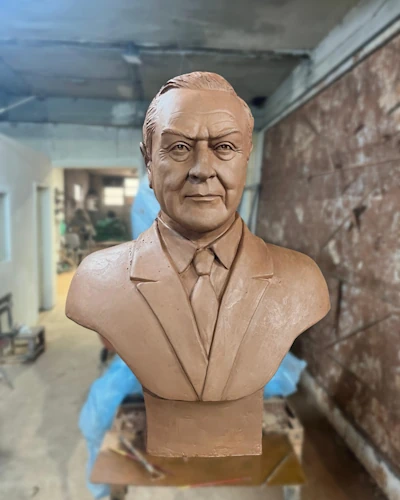
Fiberglass sculpture production begins with taking a silicone mold from the original clay or plaster model. First, gelcoat is applied to the inner surface of the prepared mold; this layer will form the outer surface of the sculpture and provide its color and smoothness. After the gelcoat cures, glass fiber matting is placed into the mold, and polyester resin is applied over it with a brush or roller. This process is repeated until the desired wall thickness is achieved. To strengthen the internal structure, a steel armature or foam filling is also added at this stage. The raw sculpture removed from the mold then undergoes sanding, filling, and surface painting stages.
Maintenance and Lifespan of Fiberglass Sculptures
Under correct production and maintenance conditions, a fiberglass sculpture can be used trouble-free for thirty to fifty years. Thanks to UV-resistant gelcoat and paint systems, fiberglass is protected against the abrasive effects of sunlight and is also highly resistant to moisture and frost. Within an annual maintenance program, cleaning the surface and applying specialized protective varnish significantly extends the life of the sculpture. In case of damage, fiberglass sculptures can be repaired much more easily and economically compared to bronze or stone sculptures; this significantly lowers the cost of ownership for the sculpture.
Date Added: