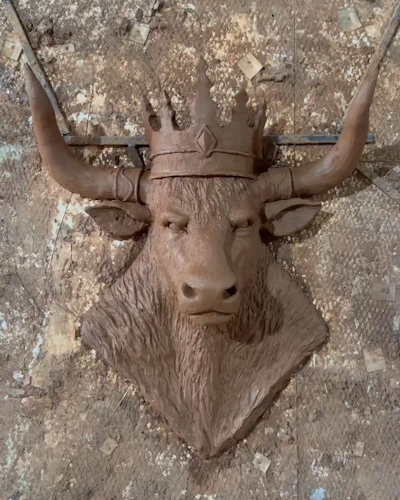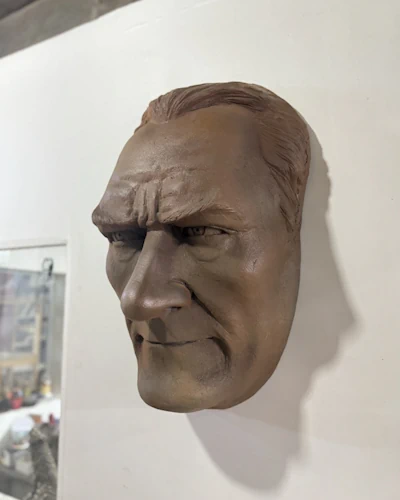
What is Clay?
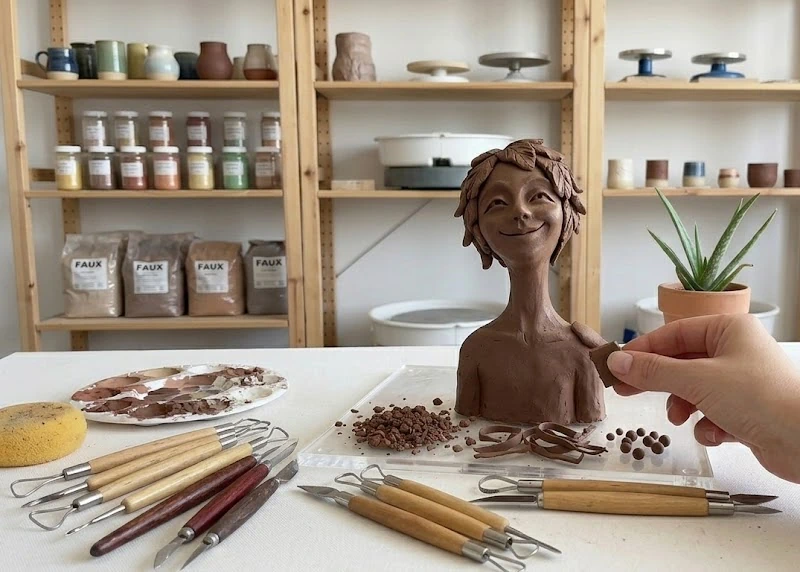
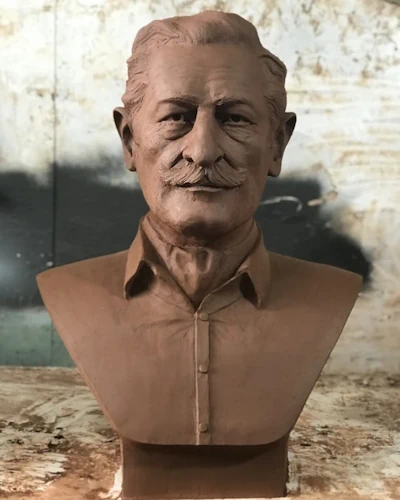
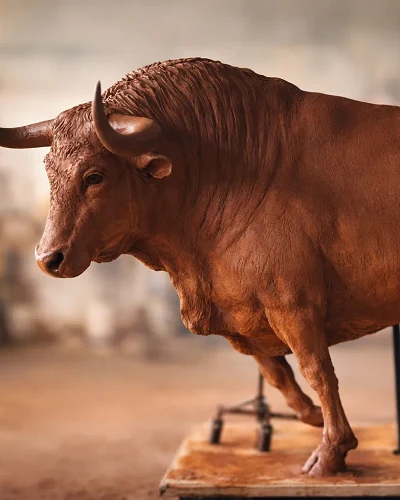
Clay, one of the oldest and most natural materials in the art of sculpture, is among the first expressive tools of humanity's artistic creativity. Used since the Neolithic period, clay has been the main material for both functional objects and artistic works for thousands of years. In sculpture workshops, clay continues to be used for many different purposes today; both as a final sculpture material and as a primary tool in the preparation of models used in the production of bronze, fiberglass and polyester sculptures. The greatest gift clay offers to the art of sculpture is that it grants the artist an endless freedom of intervention on the form.
The Place of Clay in Sculpture Art
Clay is a fine-grained mineral mixture formed by the interaction between water and earth in nature. Extremely plastic and shapeable when wet, and having a hard and fragile structure when dry, clay offers a unique working experience to the sculptor with this dual nature. An artist can work by both adding and removing to create a form from wet clay; a form that goes wrong can be easily erased and reshaped. This freedom of correction makes clay ideal, especially for experimental and draft works. Even if many great sculpture masters produced their final works with a different material, they certainly developed the design process on a clay model.
Among the types of clay, the most preferred in sculpture production are oil-based clay and polymer clay. Oil-based clay does not dry out, and thanks to this feature, it can be worked on for weeks or even months; this makes it ideal for long-term and detailed studies. Polymer clay, on the other hand, gains permanent hardness when baked in the oven and is frequently preferred for small-scale figurative works. Water-based natural clay remains the most traditional option; this clay, which reaches ceramic quality when fired, can be used for both functional and decorative works.
Working Process with Clay
The first stage in clay sculpture production is the preparation of the metal skeleton, namely the armature. In large clay models, it is not possible for the clay to carry its own weight without an armature; therefore, the internal skeleton of the sculpture is created using steel wire or aluminum profile. Then, the form is enlarged by adding clay layer by layer onto the armature. After the basic form is completed, detail work begins; at this stage, the artist processes the surface texture, muscle structure and anatomical details through special clay spatulas, scraping tools and fingers. When the final model is completed, a silicone or plaster mold is taken over it and prepared for bronze, fiberglass or polyester casting.
The Role of Clay in Education and Prototype Production
Clay also forms the cornerstone of sculpture education. In art schools and sculpture workshops, the basic understanding of form, anatomical observation and three-dimensional thinking skills are almost always developed through clay studies. An experienced sculptor also usually starts the design process for a new project with small clay sketches; these draft models facilitate testing the idea in three dimensions and making the necessary corrections. For this reason, clay continues to constitute both the starting point of sculpture art and an indispensable tool for professional production.
Date Added: