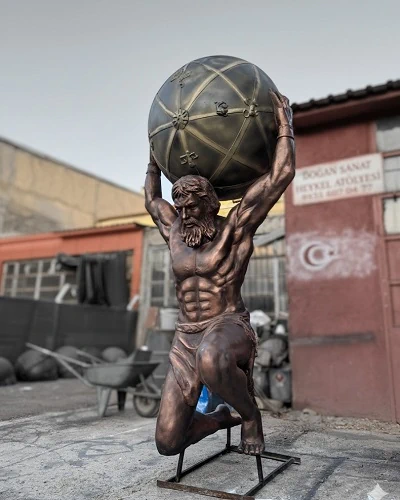
What is Diorite?
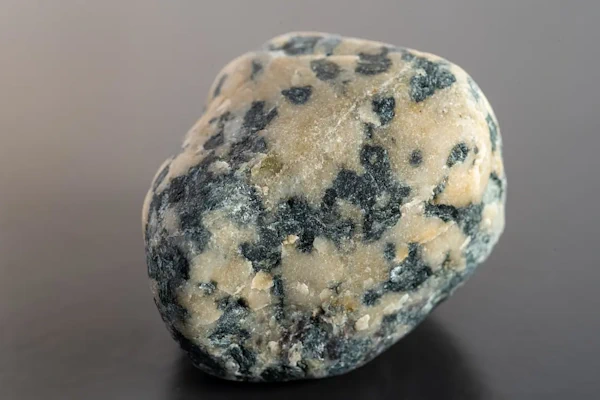
Diorite, one of the most prestigious sculpture materials of the ancient world, has been a favorite stone for both sculptors and state rulers due to its dark color and extremely hard structure. This fine-grained volcanic rock, which originates from great depths, consists mineralogically of a combination of dark minerals such as feldspar and hornblende. The importance of diorite in the art of sculpture largely stems from the role it played in the Mesopotamian and Egyptian civilizations. Used as a material symbolizing prestige and power with its hardness and dark hue, diorite constitutes the primary material for a significant portion of the most impressive ancient sculptural works displayed in museums today.
Historical Use of Diorite
The golden age of diorite in sculptural art occurred during the Sumerian and Akkadian civilizations. In the 3rd and 2nd millennia BC, powerful rulers of Mesopotamia had their own statues made of diorite to consolidate their permanence and authority. The most striking example of this period is in the series of diorite statues of Gudea, the ruler of the city of Lagash. These statues, currently exhibited by leading museums of the world, represent the pinnacle of ancient Mesopotamian sculpture and reveal how strategically diorite was regarded during this era.
Diorite was also used as an important sculpture material in Ancient Egypt. The seated statue of Pharaoh Khafre made of diorite is currently exhibited in the Cairo Museum and remains one of the best-preserved royal statues of the period. In this work, the dark color and smooth surface quality of the diorite were consciously used to emphasize the power and divinity of the figure. The fact that Egyptian masters processed diorite so successfully points to an extremely impressive technical achievement, considering the challenging nature of the stone.
Processing of Diorite
Diorite is an extremely hard stone, ranging between 6 and 7 on the Mohs hardness scale. This hardness makes it both a permanent and a difficult material to process. In ancient times, diorite was processed with stone and copper tools in an extremely labor-intensive process. Although modern diamond-tipped cutting and grinding equipment has significantly eased this process, diorite remains today among the most difficult natural materials to work with, alongside other hard stones like granite and basalt. This difficulty has never prevented diorite from becoming a prestigious sculpture material throughout history, while granting it high prestige and collectible value.
Diorite Today
Today, diorite is positioned as a rare and prestigious material in the art of sculpture. Preferred particularly in sculpture projects inspired by ancient aesthetics that prioritize permanence, diorite is occasionally used in both private collections and public monument projects. Its natural color texture and high polishing - finishing capacity grant diorite a versatile visual character compatible with both ancient and modern aesthetic understandings. In the world of museums and collections, ancient statues made of diorite always continue to be among the most valuable and sought-after works.
Date Added: