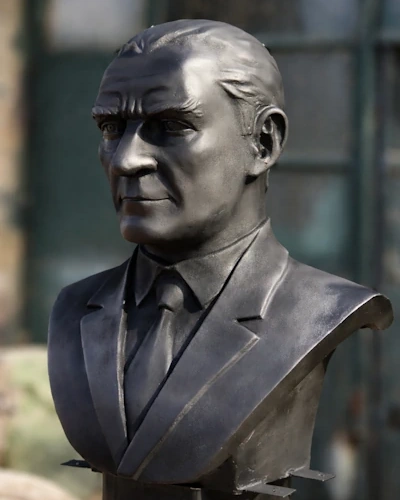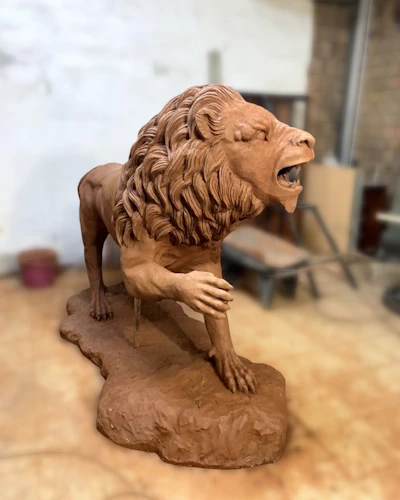
What is Perdah?
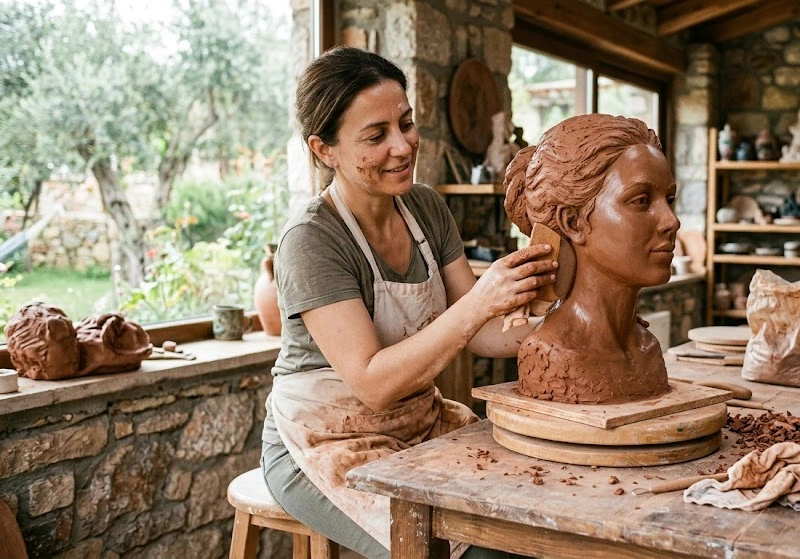
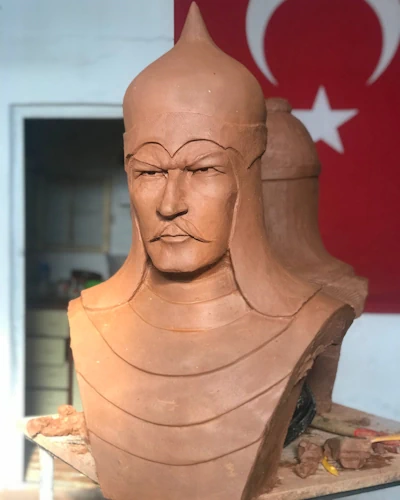
In the art of sculpture, finishing (perdah) refers to the surface arrangement process that constitutes the final and most visible stage of the production process. Finishing, applied to bring a rough casting surface to a smooth, shiny or texture-rich appearance, directly affects both the aesthetic quality and the long-term durability of a sculpture. For an experienced sculptor, the finishing process is not just a technical surface treatment; it is also a creative stage that determines the final identity and character of the work. The right finishing technique is one of the most critical steps that transforms an ordinary casting piece into a true work of art.
Types and Techniques of Finishing
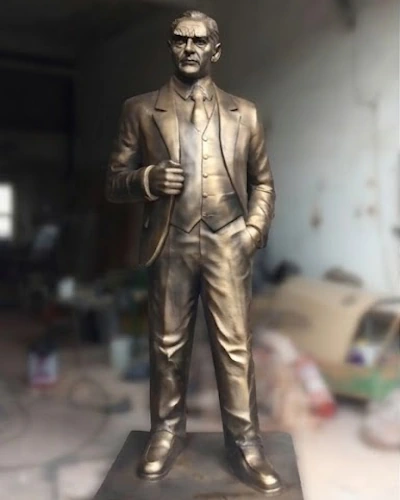
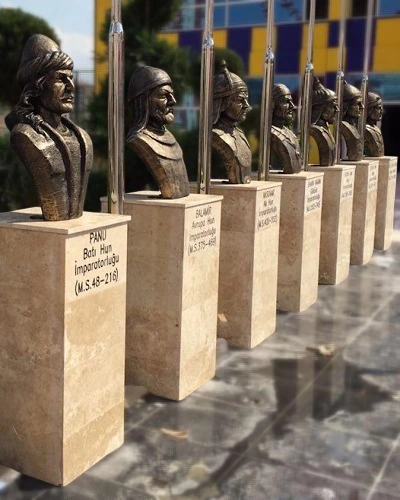
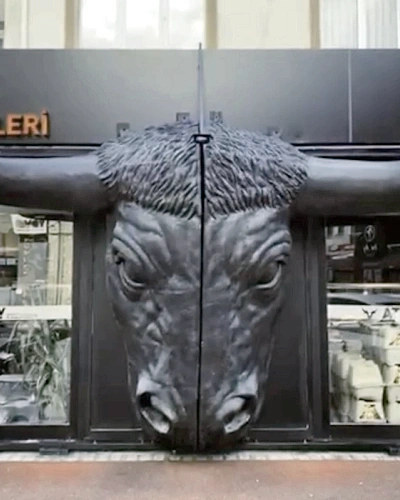
Finishing techniques used in sculpture production vary greatly depending on the material and the desired surface effect. Finishing in bronze sculptures is usually carried out with a combination of wire brushes, sandpaper and special chemical solutions. Roughnesses and excesses occurring on the surface after casting are first removed with coarse sandpapers, and then the surface is smoothed using increasingly fine sandpaper numbers. In the final stage, the unique metallic brightness of bronze is revealed with special finishing compounds and polishing processes.
In stone sculptures such as marble and granite, the finishing process becomes more labor-intensive and long-term. This process, starting from diamond-tipped grinding discs and moving to increasingly fine cutting surfaces, ensures that the natural crystal structure of the stone is reflected on the surface. Intentionally stopping at certain stages of finishing to obtain an antique or processed appearance is also a frequently used method. In fiberglass and polyester sculptures, the finishing process consists of filler putty application and gradual sanding processes; then, the applied gelcoat or special paint gives the surface both protection and an aesthetic appearance.
Relationship Between Patina and Finishing
In bronze sculptures, the finishing process is mostly completed with patina application. Patina is the color layer applied to the surface of bronze by chemical or thermal processes and provides both aesthetic depth and a protective coating to the work. Patina colors, which can be obtained in black, brown, green and gold tones, are directly related to the level of finishing and surface texture. A highly finished, smooth surface holds the patina more intensely and deeply; on surfaces left rough, the patina creates a more matte and antique look. The balanced application of these two processes is the most critical artistic decision determining the final identity of the bronze sculpture.
Effect of Finishing on the Life of the Work
Finishing is not only an aesthetic process; it is also a technical intervention that ensures the long-term protection of the sculpture. Correct finishing and surface protection applications protect bronze sculptures against corrosion, stone sculptures against air pollution and moisture damage, and fiberglass sculptures against the abrasive effect of UV rays. For this reason, in professional sculpture production, the finishing process is evaluated as a stage that can never be ignored or shortened. The quality of finishing is one of the most important factors determining whether a sculpture will last ten years or a century.
Date Added: