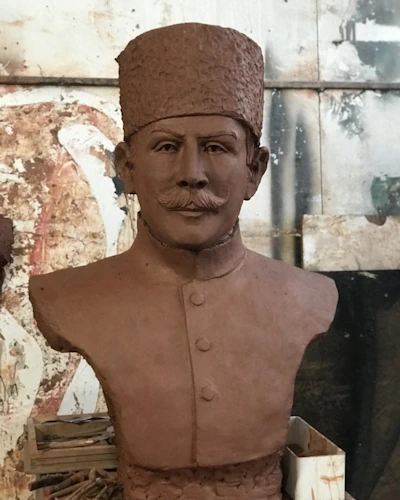
What is Granite?
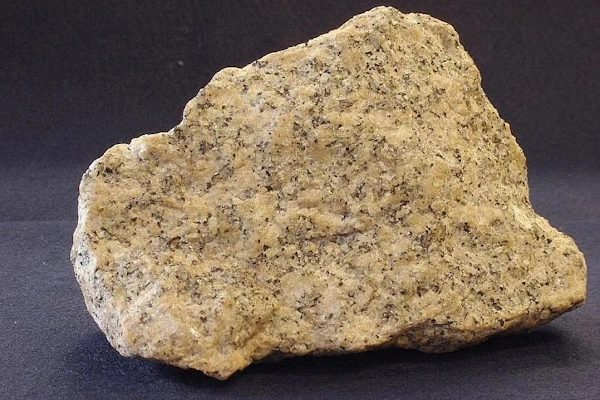
Granite, one of the hardest and most durable natural stones in the world, is among the deep-rooted materials used in the art of sculpture for thousands of years. This volcanic rock, formed by the slow cooling of magma, primarily consists of quartz, feldspar, and mica minerals. This mineral composition transforms granite into a material that is both extremely hard and visually very rich. Found in nature in shades of pink, gray, black, red, and white, granite continues to be a preferred material in sculptural art for both monumental scales and decorative works.
The Place of Granite in the Art of Sculpture
In Ancient Egypt, many grand sculptures, primarily monuments of pharaohs and sphinxes, were produced using granite. Along with diorite, granite was among the stone materials most frequently consulted by Egyptian masters; because the hardness of this stone made it possible for the works to remain intact for thousands of years. The granite sculptures displayed in museums today are the most vivid evidence of how resistant this stone is to time. In modern sculpture, granite is frequently preferred, especially for monumental tombstones, permanent sculpture works for public spaces, and architecturally integrated sculpture projects.
The greatest disadvantage of granite in sculpting is that it is extremely difficult to process. Rated between 6 and 7 on the Mohs hardness scale, granite requires much more labor, time, and specialized tools compared to softer stones like marble and limestone. While granite was processed with steel chisels and mallets in the traditional period, today it can be shaped much more efficiently with diamond-tipped discs, specialized milling machines, and water jet systems. Nevertheless, processing granite remains a much slower and more costly process compared to marble craftsmanship.
Granite Varieties and Aesthetic Characteristics
Granites exhibit different visual characteristics based on their crystal structure and mineral content. Fine-grained granites offer a more homogeneous and smooth surface, while coarse-grained granites create a rich visual texture produced by the different colors of their minerals. Black granite, with its mirror-like polished surface, is used in sculptural art, particularly in abstract works. Red and pink granite stand out in monumental tombstone and public sculpture projects due to their warm color tones and durability. Since each type of granite has its own unique processing characteristics, the mineral structure and regional properties of the stone must be taken into consideration before making a material selection.
Date Added: