Sculpture Design - Fiberglass Sculpture Designs and Workshop Process
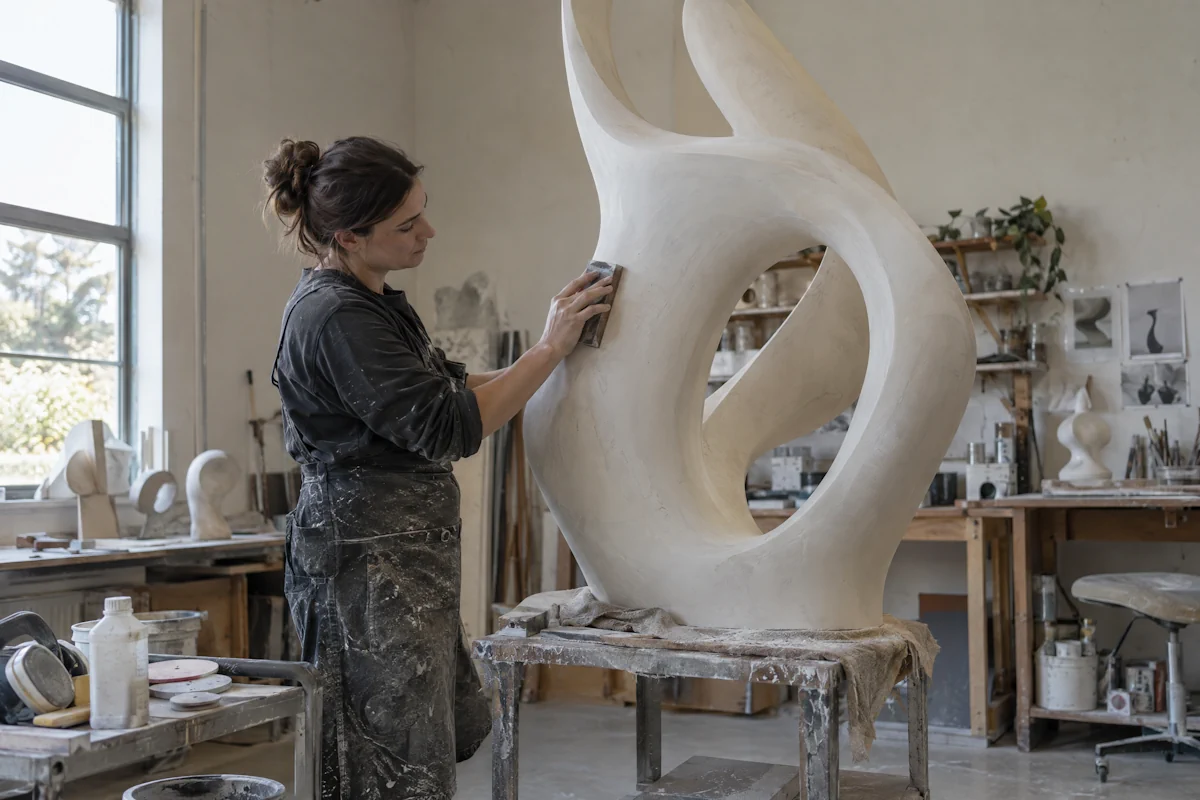
Sculpture design is the process of turning an idea into a three-dimensional work by defining its size, form, proportion and surface language. It is more than drawing an attractive figure. A good sculpture design considers the structure of the space, the viewer's angle of sight, the chosen material and how the piece will age over the years. Whether the project is a garden, a park, a shop window, a corporate space or hotel sculptures, the design stage decides the success of the work.
That is why idea development, sketching and measurement work come before production. When a project starts without preparation, proportions go wrong, material is wasted and the finished piece does not fit its space. A planned sculpture design process saves both time and budget.
Advantages of Fiberglass Sculpture Designs
Today, fiberglass is one of the most popular materials for sculpture designs. Made by combining glass fiber with resin, it gives artistic freedom and a structure that can last for many years outdoors. It makes large and detailed projects much easier than other materials.
- Lightweight: It is much lighter than stone, marble or metal sculptures of the same size. Transport, installation and placement become easier.
- Durability: Fiberglass is resistant to water, moisture, heat and cold. With the right surface treatment, there is no rust or rot.
- Freedom of form: Thanks to mold technique, fine details, flowing lines and bold forms can be applied with ease.
- Surface options: Many matte, glossy, metallic or patina finishes and colors can be applied.
- Size flexibility: Production is possible across a wide range, from small decorative pieces to very large outdoor sculptures.
Sculpture Design Workshop Production Stages
A professional sculpture design workshop does not complete the job in a single step. It works in stages that complete each other. Every stage has its own checkpoint, and the next step does not begin until the previous one is approved. The process generally runs as follows:
- Idea and sketch work: The request is heard, the space and purpose of use are reviewed, and the first drawings are prepared.
- Size and proportion planning: Height, width and posture are fixed according to the area where the work will stand.
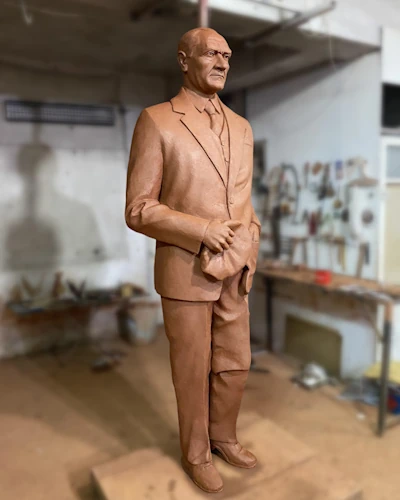
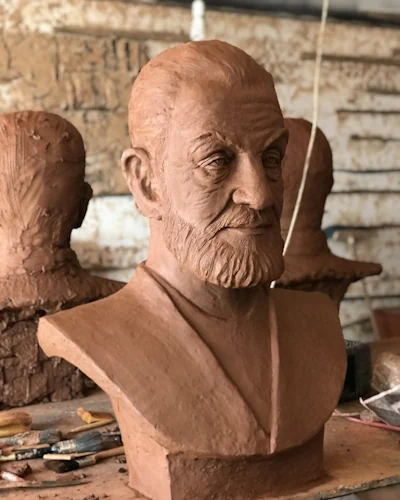
- Model and form work: The design is turned into a master model. Details take shape at this stage and are presented for approval.
- Mold preparation: A mold is taken from the approved model. A clean and precise mold directly affects surface quality.
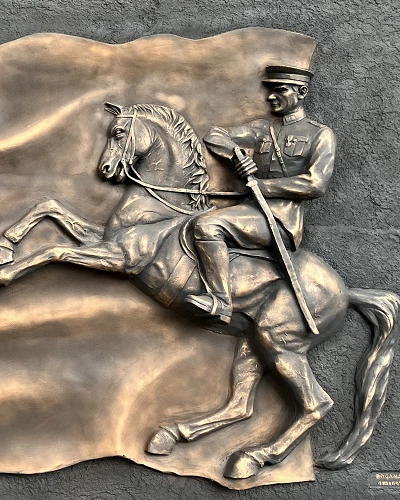
- Fiberglass application: Gelcoat is applied to the mold, then glass fiber and resin are laid in layers. Inner support structures are added where needed.
- Sanding and surface finishing: Parts removed from the mold are joined, seam marks are removed and the surface is made ready for paint.
- Paint and patina: The chosen color, texture or metallic look is applied. A protective varnish is preferred for outdoor use.
- Inspection, packing and installation: A final check is made, the work is shipped with protection and installed on site if needed.
Where Are Sculpture Designs Used?
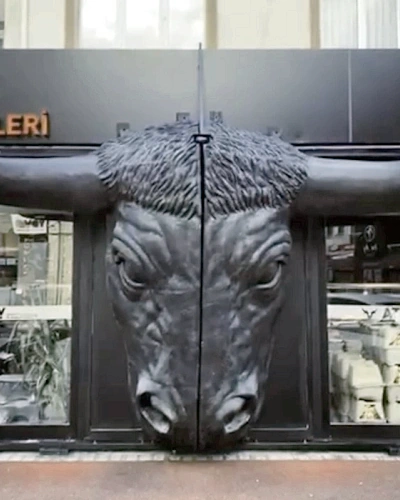
Thanks to the flexibility of fiberglass, sculpture designs have a very wide range of uses. Works that strengthen city identity in parks and squares, figures that complete the landscape in gardens, and decorative pieces that set the mood in hotels and restaurants are among the leading examples. In shopping malls and store entrances, large scale figures attract attention and help the brand stay in the visitor's memory.
Children's playgrounds, amusement and theme parks, schools and corporate gardens are also popular locations. Custom works are also produced for private collections, ceremony areas, fair stands and event decor. Since every area has different expectations, the purpose of use must be clearly defined during the design stage.
What to Consider When Ordering a Custom Sculpture Design
If you want a custom work made, managing the process correctly from the start greatly affects the result. First, make clear where the sculpture will be placed and for what purpose it will be used. An outdoor sculpture needs a more durable surface than an indoor piece. Second, choose the size according to the space. A piece that is too small looks weak, while one that is too large crowds the area.
Third, talk about color and surface choice early. A matte, glossy or metallic look changes both the aesthetics and the maintenance needs. Finally, plan the delivery time and installation conditions from the beginning. For large works, extra needs such as a crane, ground preparation or fixing may arise for transport and setup. Discussing these in advance prevents surprises during the process.
How to Choose the Right Sculpture Design Workshop
Choosing the right workshop directly affects the quality and lifespan of the work. It helps to check the following criteria when deciding:
- The real photos and references of past projects should be reviewed.
- Ask whether design, mold and production stages are carried out in the same workshop.
- Clear information should be given about the resin, gelcoat and paint types used.
- The workshop should be flexible about custom sizes and custom design requests.
- Time, price and delivery terms should be shared clearly and in writing.
- Find out whether after-sales care and repair support is offered.
An experienced sculpture design workshop does not only produce. It listens to your request and offers suitable suggestions. When needed, it can recommend a better option for size, material and surface.
Fiberglass Sculpture Care and Long Life
Fiberglass sculptures are low maintenance works. Even so, simple and regular care helps them keep their look for years. Dust and dirt on the surface can be cleaned with a soft cloth and lukewarm water. Abrasive cleaners and hard brushes should be avoided because they can damage the paint and varnish layer. You can read our article on sculpture care instructions for more details.
For outdoor works, sunlight can cause colors to fade over time. For this reason, a protective varnish and regular surface checks are recommended. If small scratches or cracks are noticed and fixed early, repair is both easy and economical. A properly produced and regularly checked fiberglass sculpture can keep its first-day impact for many years.
Add Value to Your Space with Sculpture Design
A well planned sculpture design turns an ordinary space into a memorable focal point. Thanks to the lightness, durability and freedom of form that fiberglass offers, ideas can be brought to life in a way that is both aesthetic and lasting. What matters is planning the process around the need and working with an experienced team.
If you are considering a custom sculpture design for your own project, you can start talking to a workshop by clarifying the area of use, the size and your expectations. This way, every stage from idea to delivery stays transparent, and the result is a work that suits both your space and your budget.
Date Added: