Does Extreme Heat, Cold and Humidity Damage Your Sculpture?
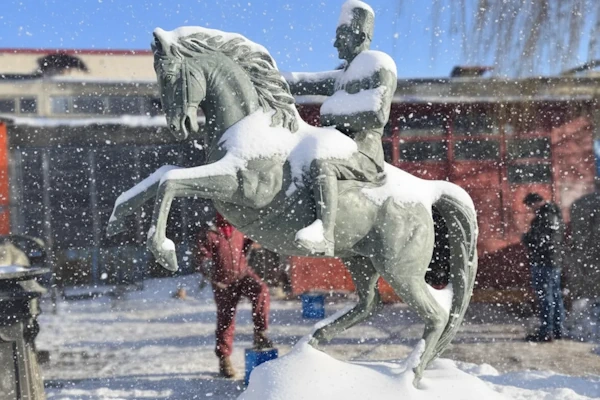
Outdoor sculptures must be protected from humidity, frost and temperature change
Sculptures may look solid and durable on the outside, but they can be far more sensitive to environmental conditions than expected. Extreme heat, extreme cold and high humidity cause damage in different ways depending on the type of material. Some of this damage becomes visible immediately while some accumulates slowly over the years, and by the time it is noticed it may be too late.
Does Extreme Heat, Cold and Humidity Damage Your Sculpture?
The short answer is yes. However, the extent and form of this damage depends entirely on the material. The same climatic conditions can leave a bronze work virtually unaffected while seriously damaging the surface of a marble piece. This is why, when assessing environmental risks, you first need to know what material you are working with.
The Effect of Extreme Heat on Sculpture
High temperatures cause serious problems especially in resin and polyester based works. These materials begin to soften and deform above a certain temperature threshold. Color fading and blistering of the surface coating on surfaces exposed to direct sunlight are also among the frequently observed types of damage. Bronze works are much more resistant to high temperatures; however, it can be observed that the patina color changes rapidly on bronze surfaces constantly exposed to sunlight. Marble, on the other hand, conducts heat slowly, which creates internal stresses during sudden temperature differences and paves the way for cracking over time.
Damage Caused by Frost and Extreme Cold
Frost is one of the greatest enemies of stone and ceramic works. Marble, limestone and terracotta, which have a porous structure, absorb water into the microscopic cavities on their surfaces. When this water freezes it expands and creates great pressure inside the material. Repeated freeze and thaw cycles cause surface flaking, crack formation and piece detachment over time. Frost damage is usually not noticed in the first years; but within five to ten years the work may have been seriously damaged. Granite is much more resistant in this regard because its porosity is extremely low compared to marble.
Long Term Effect of Humidity on Materials
Consistently high humidity negatively affects almost all materials; however it manifests differently in each. In wooden works, cycles of absorbing and releasing moisture lead to cracking and warping. In metal works, especially those containing iron, humidity accelerates oxidation and rust. On marble surfaces, humidity creates conditions for biological growth, namely moss and lichen formation; these organisms cause chemical damage to the surface over time. In bronze works, humidity can cause uncontrolled patina development; while this is not always an unwanted outcome, it can dramatically change the appearance of the work.
Temperature Fluctuations and Internal Stresses
More dangerous than high or low temperature alone are sudden and frequently recurring temperature fluctuations. Large temperature differences between day and night cause the material to constantly expand and contract. This mechanical stress gradually causes fatigue in the internal structure of the material and creates conditions for crack formation. Especially in mixed technique works where more than one material is used together, since each material has a different coefficient of expansion, the connection points are the places most damaged by this cycle.
What Protective Measures Can Be Taken?
Among the primary measures that can be taken against environmental damage is using appropriate surface protectants. Water repellent impregnation treatment for marble and stone works seals the pores against water and largely prevents frost damage. Regular wax application on bronze works keeps moisture away. For fiberglass works, renewing the UV protective coating slows down surface degradation. In addition to these, covering outdoor works with protective covers during seasonal transitions is a simple but effective measure. Small outdoor works that can be completely removed during winter months are protected from the greatest risk by being kept indoors.
The effect of environmental conditions on sculpture is an easy subject to overlook, because the damage progresses slowly and is invisible at the start. But this slowness is not a guarantee. Small precautions taken in time prevent the major restoration costs and permanent losses that may be encountered in the years ahead.
Does Extreme Heat, Cold and Humidity Damage Your Sculpture? FAQ
The most effective protection method for outdoor sculptures in winter is determined according to the material. Water repellent impregnation treatment for marble and stone works largely prevents frost damage. Small and portable works are protected from the greatest risk by being taken indoors. Fixed works can be covered with protective covers. Wax application before winter on bronze works keeps moisture away. On fiberglass and polyester works, surface cracks should be repaired before winter arrives and UV protective coating should be renewed. These simple maintenance steps during seasonal transitions prevent major restoration costs that may be encountered in the years ahead.
Bronze is one of the most resistant sculpture materials against high temperatures. Unlike resin or polyester based works, bronze does not soften or deform at a certain temperature threshold. However, it can be observed that the patina color changes rapidly on bronze surfaces constantly and intensely exposed to sunlight. This color change does not damage the integrity of the work but may produce an unwanted result visually. Regular wax application both keeps moisture away and protects the surface from the negative effects of sunlight. In the long term, bronze works with proper maintenance can withstand outdoor conditions for decades.
Consistently high humidity negatively affects almost all sculpture materials but manifests differently in each. On marble surfaces, humidity creates conditions for moss and lichen formation; these organisms cause chemical damage to the surface over time. In wooden works, cycles of absorbing and releasing moisture lead to cracking and warping. In metal works containing iron, humidity accelerates oxidation and rust. In bronze works, it can cause uncontrolled patina development. In fiberglass and polyester works, prolonged humidity exposure accelerates the deterioration of the surface coating. All of this damage progresses slowly and is not noticed at the start; however if precautions are not taken in time it leads to permanent damage.
Yes, polyester and resin based sculpture materials begin to soften and deform above a certain temperature threshold. For this reason, caution should be exercised when polyester sculptures are placed in areas that receive direct and intense sunlight. Blistering of the surface coating and color fading are also among the frequently observed damage in extreme heat. To reduce these risks, UV protective coating should be renewed at regular intervals. If possible, the work should be positioned where it does not receive direct sunlight in the afternoon. In extremely hot climates, it is recommended to prefer materials more resistant to heat such as bronze or granite instead of polyester.
The main cause of moss and lichen formation on marble surfaces is constant humidity and organic accumulation. The most effective way to prevent this formation is regular cleaning and protective surface treatments. Water repellent impregnation seals the pores of the marble, preventing moisture retention and eliminating the environment that prepares the ground for biological growth. Cleaning with a soft brush and pH neutral cleaner at least once a year prevents surface buildup. For existing moss and lichen, special stone cleaners containing biocide should be used; however acidic products should definitely be avoided. Marble works in shaded and humid locations require more frequent maintenance.
Uncontrolled patina development on bronze surfaces is generally the result of prolonged humidity exposure and irregular maintenance. This situation can change the appearance of the work in unwanted ways. As a first step, the surface should be carefully cleaned with a soft brush and bronze cleaner; abrasive materials should be avoided. After cleaning, wax or bronze protectant is applied to protect the surface against moisture and oxidation. In cases where the damage is advanced, it is recommended to seek support from a professional restoration specialist. Regular wax application at intervals is the most effective way to prevent uncontrolled patina development from the outset.