
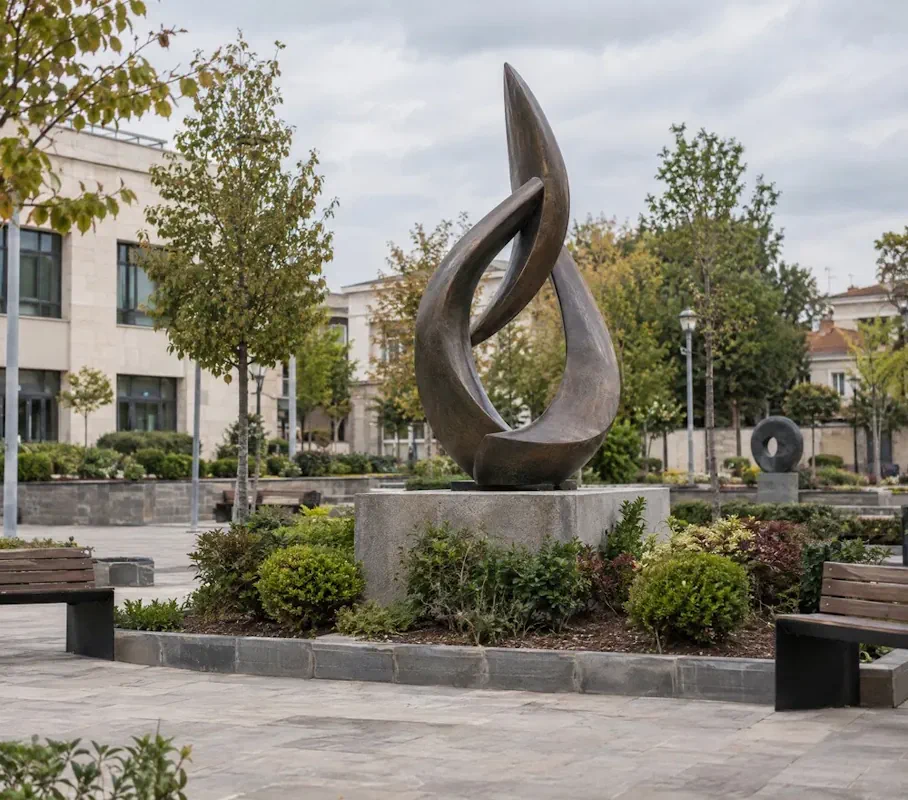
Sculpture Selection by Public Institution
Public institution sculptures are lasting works that keep shared values alive in spaces used by the whole community, such as municipalities, governorships, universities, schools, hospitals and government buildings. Options such as Jesus statues, busts, monuments and park sculptures are prepared to suit the institution’s history, founding purpose and the culture of its region. For sculptures to be used in public spaces, resistance to outdoor weather conditions, long service life and safe installation are very important. On this page you will find all the details you need to know about size, material, placement and the application process when choosing a sculpture by public institution. With custom-designed sculptures produced from durable materials such as bronze and stone, you can gain a work that adds value to your institution and your city for years. Total number of records on our Sculptures for Public Institutions page: 1. Last Updated:
Sculptures for Public Institutions
-
Municipal sculptures, political and election sculpture ideas
Sculpture Product Categories
Frequently Asked Questions - FAQ
Sculptures placed in public areas generally require the approval of the relevant local administration and institution. If the site is historic or protected, permission from the conservation board must also be obtained. For monument and sculpture projects, the opinion of local commissions may also be requested. The application includes the drawing, dimensions, material and placement plan of the sculpture. Required documents vary by institution and region, so it is best to consult the authorized office before starting. Experienced companies will guide you through this application process.
Public institution sculptures are lasting works that must serve for many years, so durable materials should be chosen. Outdoors, bronze is the most preferred material because it lasts for years without deterioration and reflects fine details best. Marble and granite give a monumental and majestic look. Marble, resin or plaster options can be used indoors. The right material determines the lifespan and appearance of the sculpture. Budget and maintenance expectations should also be considered when deciding. This way the process runs smoothly.
Delivery time depends on the type, size and material of the sculpture. Small sculptures can be completed within a few weeks, while full length statues and monuments usually take several months. The process includes design, model preparation, molding, casting, surface finishing and polishing. Institutional approvals and the base prepared for installation also affect the schedule. A clear work plan is prepared before the project starts and every stage is shared with you. This way you can plan production with confidence according to your opening or ceremony date.