What Is a Bust? Bust Sculpture Definition, History and Making
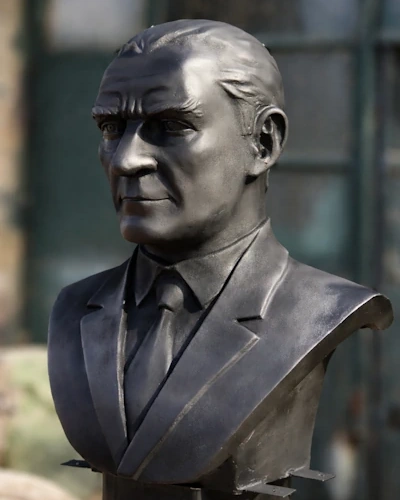
What is a bust? A bust is a portrait sculpture that depicts the head, neck and shoulder area of the human body without the rest of the torso. Usually created to highlight a person's facial features, character and posture, bust sculptures are considered one of the most common and effective forms of portrait art in sculpture. Throughout history, busts have been made to keep alive the memory of many important figures, from rulers and scientists to artists and martyrs.
What Is a Bust and What Are Its Main Features?
A bust is a sculptural form that covers a person's head, neck and, usually, the upper part of the shoulders. With this structure, it offers both an artistic and a monumental way of expression.
What Does Bust Mean?
The short answer to what a bust means is a sculpture that shows the head, neck and shoulder area of the human body. Because the rest of the torso is left out, the sculptor can focus on the person's facial expression, gaze and head posture. This way, the person's character and emotional expression are reflected more powerfully.
Why Is a Bust Displayed on a Pedestal?
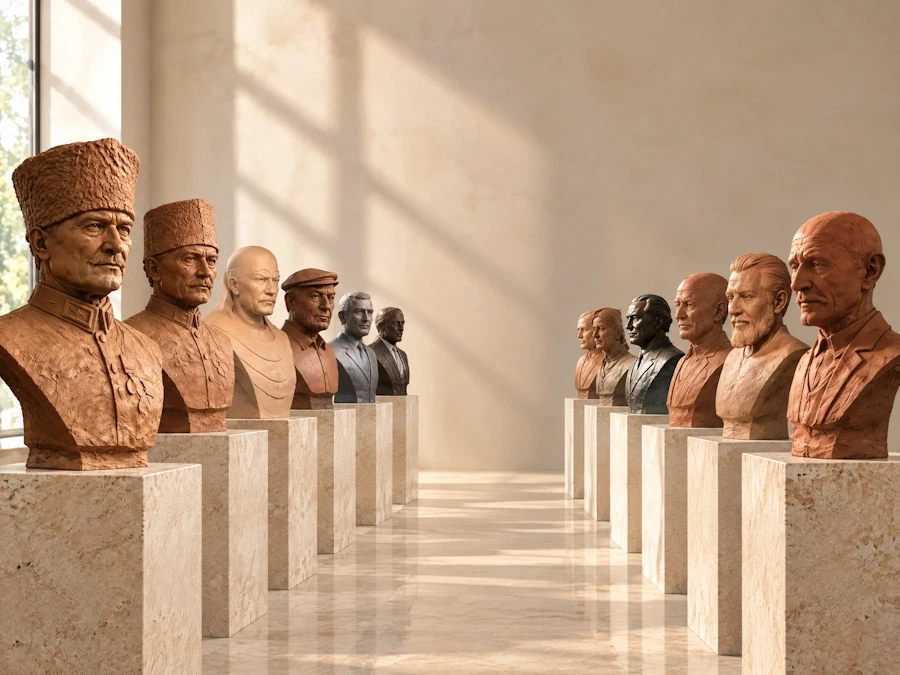
Since busts do not include the rest of the body, they are usually placed on a base. A pedestal raises the bust to eye level and lets viewers make direct eye contact with the artwork. It also keeps the piece stable and gives the sculpture a monumental look.
History and Origin of Busts
The roots of the bust form reach back to ancient Egyptian, Greek and Roman civilizations. Despite changing tastes over the centuries, this type of sculpture has remained a way to immortalize important people.
Bust Art in Ancient Rome
In ancient Rome, busts were widely used to create portraits of important statesmen and emperors. The busts made in this period reached a very advanced technical level in capturing a person's realistic facial features.
The Bust Tradition in the Renaissance
The bust tradition was revived during the Renaissance. Busts were often made for the artists and thinkers of the era. This tradition continues today as one of the most popular forms of portrait sculpture.
What Are Busts Used For? Common Uses
Busts have been made for different purposes throughout history. This variety makes the bust a meaningful art form in both public and private spaces.
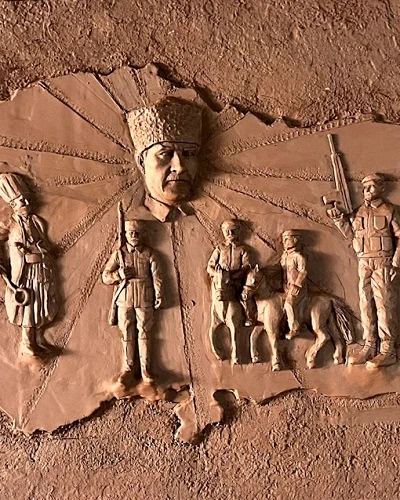
Ataturk and Statesman Busts in Public Spaces
Busts of statesmen, founding leaders and historical figures are often seen in public spaces, squares and institutional buildings, where they keep their memory alive. These busts help preserve collective memory.
Busts in Schools and Educational Institutions
Educational institutions display busts of scientists or of the institution's founders. The aim is to pass the legacy of that person on to new generations.
Ordering a Personal Memorial Bust
Families can order special busts in memory of their loved ones. A custom memorial bust is a meaningful way to keep the facial features of a loved one alive in a lasting work of art.
What Materials Are Busts Made From?
Busts can be made from different materials such as marble, bronze, granite or fiberglass. The choice of material depends on where the bust will be displayed, the budget and the desired visual effect.
Marble and Bronze Busts
In ancient times, marble and bronze were the most preferred materials. Thanks to their durability and their ability to hold fine details, they are still used today in classic bust work.
Fiberglass and Granite Busts
Today, lightweight and durable materials such as fiberglass are also widely used. Granite is preferred especially for busts displayed outdoors because of its strength.
How Is a Bust Made? Production Steps
Making a bust is a multi-stage process that requires precise measurements and attention to detail. In production, a detailed model is usually created in clay first, then this model is molded and produced in the desired material. You can get an idea by watching our video on how to make a bust.
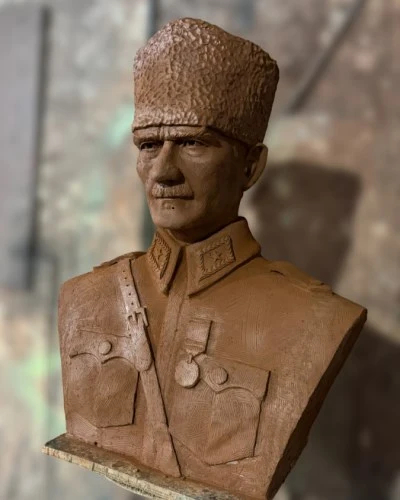
Preparing the Clay Model
In the first stage, the sculptor shapes the person's facial features, hair structure and overall posture in clay. Because the model forms the foundation of the final bust, it is the part that is worked on most carefully.
Molding and Producing in the Final Material
Once the clay model is approved, it is molded and produced in the chosen material, such as marble, bronze or fiberglass. This stage determines the durability and final look of the bust.
What to Consider When Making a Bust
For a bust to be considered successful, the person's facial features, eye expression and overall posture must be captured realistically. The care given to these details ensures that the finished work shows the person as close to real life as possible.
Facial Features, Wrinkles and Hair Detail
Elements such as facial wrinkles, hair details and clothing collars are studied carefully from reference photos and then sculpted. This study helps achieve the highest possible likeness.
Head Angle and Gaze Direction
The head angle and gaze direction of a bust directly affect the emotional connection with the viewer. For this reason, they are planned carefully during the design stage.
The Place of Bust Art Today
Today, bust art is still widely preferred both to keep the memory of historical figures alive and to immortalize important figures of our time.
Busts in Museums, Universities and Municipalities
Museums, universities, municipal buildings and public squares display institutional busts that help protect collective memory.
Modern Busts Built to Last Outdoors
Thanks to modern production techniques and durable materials, busts can stay intact outdoors for many years. This makes the bust both an aesthetic and a lasting monument form.
Want to Order a Bust?
When you also browse the products on our website, you will see that we work with a team that has real hands-on experience in this field. We shape clay in an original way and produce every piece while respecting the craft of sculpture. If you are thinking I want to commission a bust, be sure to get in touch with us.
Date Added: | Last Updated: