What to Consider When Buying or Commissioning a Sculpture?
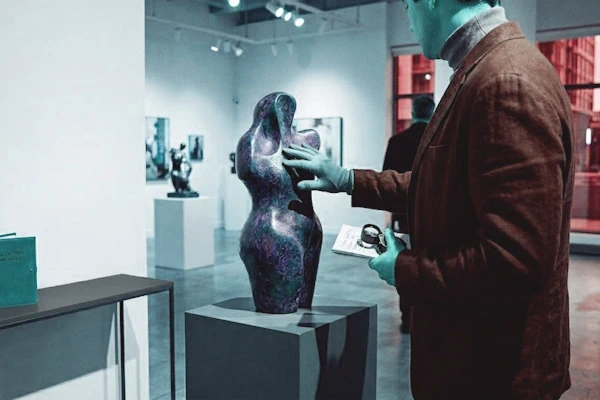
Buying a sculpture is a very different process from purchasing a painting or a decorative object. With its size, weight, material, and maintenance requirements, a sculpture is one of the art objects that demands the most responsibility from its owner. Purchases made without awareness of this responsibility often end in regret.
What to Look for When Buying a Sculpture
The first thing to do before making a purchase decision is to find out the exact dimensions and weight of the piece. A sculpture that looks elegant in a gallery may not fit through your front door — or the floor where you plan to place it may not be able to support its weight. Measurements should therefore cover not just the size of the work itself, but also the logistics of transport and the load capacity of the intended space. For heavier pieces, the floor's load-bearing capacity should be calculated, consulting a structural engineer if necessary.
Authenticity and the Question of Edition Size
Especially with bronze sculptures, the number of casts approved and numbered by the artist directly determines the value of the work. The notation "3/8" means that eight copies were produced and yours is the third. The lower this number, the more limited the edition — and that scarcity drives value higher. Without a certificate, verifying this information after the fact becomes extremely difficult. When purchasing from a gallery or directly from an artist, requesting a certificate of authenticity is a completely normal and legitimate right.
Matching the Material to the Setting
Where the sculpture will be placed should be decided upfront. A piece intended for indoors will be exposed to humidity, UV light, and temperature fluctuations if moved outside. Marble suffers serious damage from acid rain in outdoor environments. Wood and clay-based works deteriorate quickly in open air. Bronze and stainless steel, on the other hand, are far more resistant to outdoor conditions. Purchasing a sculpture without considering the compatibility between material and setting can lead to the work being damaged in a short period of time.
Learn About Long-Term Maintenance Requirements
Every sculpture requires regular upkeep. Bronze works should be polished at regular intervals and treated with a protective wax coating. Marble surfaces are sensitive to acid, so only pH-neutral products should be used for cleaning. On stainless steel pieces, fingerprints and dust buildup can dull the surface appearance; these should be wiped regularly with a soft cloth and an appropriate cleaner. Requesting written care instructions from the artist or gallery before purchasing makes a significant difference in preserving the work over time.
What to Consider When Commissioning a Custom Sculpture
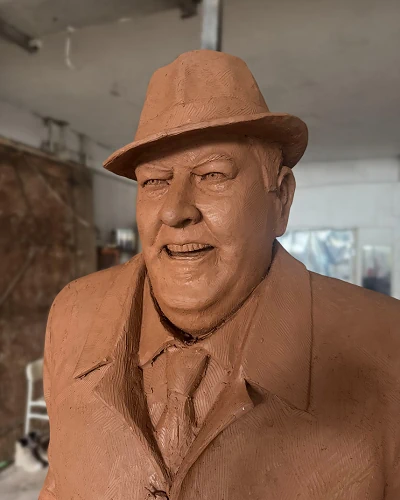
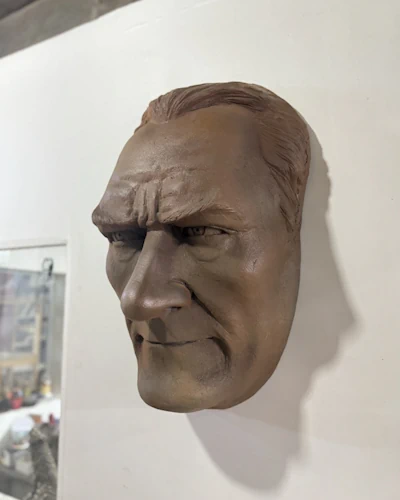
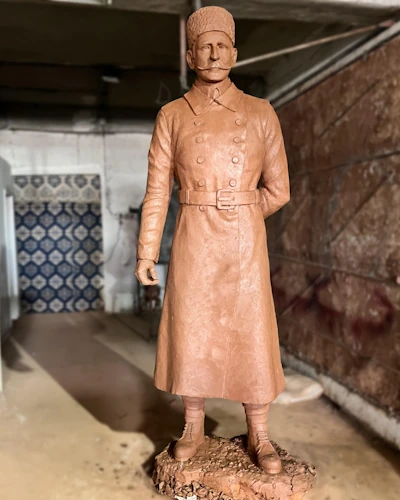
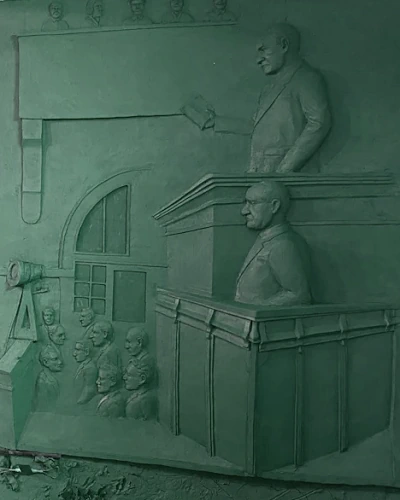
If you have a sculpture in mind — whether it's an idea in your head or a graphic mockup you've had created — and you're not sure where to start, listen carefully to what heykel.org has to say. As a company that has been doing this work for 22 years, we've seen that many people who want to commission a sculpture tend to focus on the wrong things. Because you're not familiar with the process, you search online, come across various websites, and start browsing their products. You look at the images, and let's say you like what you see. But how accurate are those images? Today's artificial intelligence technology can easily obscure reality. Based on what we've learned, many large sculpture companies are now producing sculptures piece by piece using large 3D printers — shaping them with minimal craftsmanship and selling them at seemingly attractive prices, with numerous artistic and aesthetic shortcomings. This is hard for buyers to detect, but years later, when problems like premature cracking, chipping, and fading emerge, the truth comes to light — and by then it's too late. When visiting a website, check whether it shows works-in-progress photos of clay models alongside the finished product. Look for video footage of sculptors actually working. Does the company share information about itself? How many years have they been in business? Do they have achievements, awards, or certificates? Are their sculptors state-recognized artists? These are just a few of the many questions a trustworthy company should be able to answer.
This Is Where Heykel.org Makes the Difference
Our company has been doing this work with meticulous care for 22 years. To view some of our national and international awards and credentials, click here. To get to know our sculptors up close, click here. For information about our company, click here, and to watch video clips recorded during our production process, click here. To explore a variety of topics related to the art of sculpture, click here, and to browse a guide on the uses of sculpture, click here. Our recommendation is to take your time and explore our website from top to bottom. Feel free to send us any questions that come to mind.
Date Added: | Last Updated: