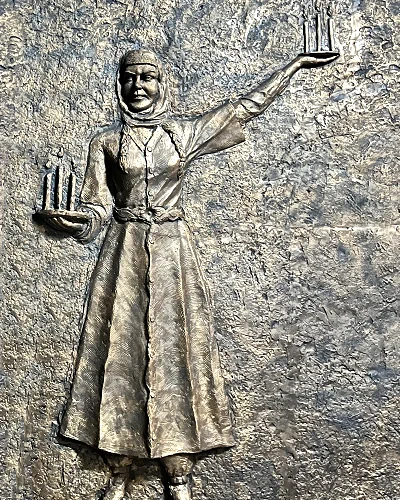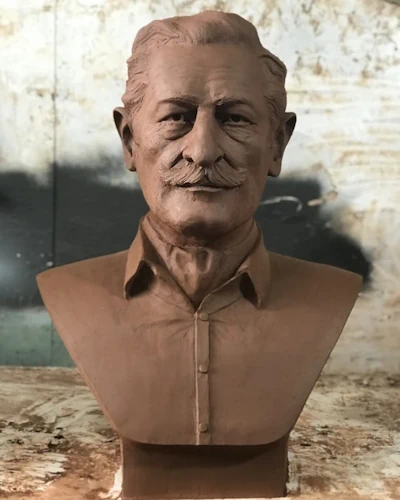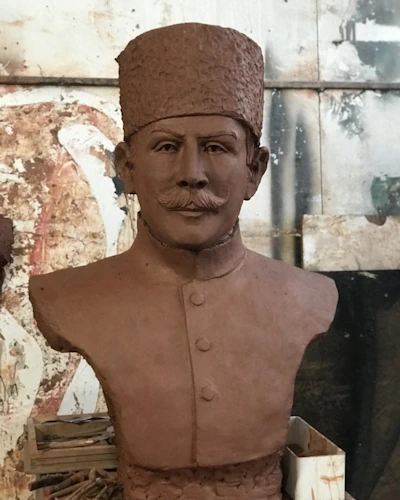
What is Terracotta?
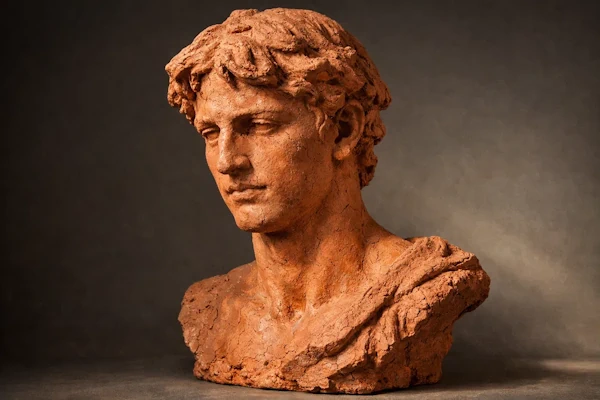
Terracotta is a concept derived from the Italian for "baked earth" and describes one of humanity's oldest artificial materials. Obtained by shaping and firing clay or similar earthy materials in a kiln, terracotta has been used for thousands of years in the production of both everyday objects and works of art. In the history of sculptural art, terracotta has been an indispensable material, particularly for small and medium-scale figurative works; it has found a wide range of use across geographies and time periods, from Ancient Greece to China’s famous Terracotta Army, and from Indian temple statuettes to Renaissance miniatures.
Historical and Cultural Significance of Terracotta
The history of terracotta use dates back to 3000 BC. Mesopotamian, Egyptian, Greek, and Roman civilizations used terracotta extensively for both figurines of gods and goddesses and the production of everyday pottery. In Ancient Greece, especially small-scale terracotta figurines were an integral part of personal religious practices; these figurines were left in temples as votive offerings or used in domestic worship. During the Roman period, terracotta also secured an important place in architecture; roof coverings, decorative elements, and sculptural friezes were produced from terracotta.
Undoubtedly, the most impressive use of terracotta in history is China's Terracotta Army. Prepared for Emperor Qin Shi Huang in the 3rd century BC and consisting of approximately eight thousand soldier figures, this giant work demonstrates in the most striking way the advanced level terracotta can reach both artistically and technically. The fact that the facial features of each figure were processed differently reveals the importance the masters of that period placed on individual portraiture.
Production Process of Terracotta
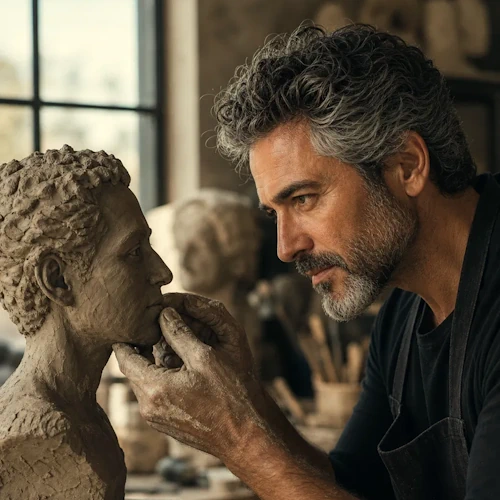
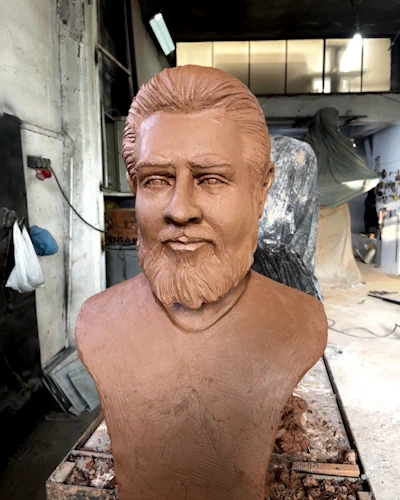
The clay used in terracotta production is suitable for low-temperature firing and has a relatively coarse-grained structure. During the shaping stage, the clay is brought to the desired form by hand, on a lathe, or with the help of a mold. In large terracotta sculptures, the hollow production method is preferred; in this method, the clay wall thickness is kept even to minimize the risk of cracking and bursting that may occur during firing. Once shaping is completed, the work is dried slowly in a shaded and cool environment; since rapid drying can lead to surface cracking, patience is extremely important during this stage.
During the firing stage, terracotta is generally exposed to temperatures between 900 and 1100 degrees Celsius. Within this temperature range, a chemical transformation occurs in the clay minerals, and the material acquires a permanent, hard, and waterproof structure. The natural color of terracotta can range from light yellow to deep red depending on the mineral content of the clay used. Glazes and paints applied to the surface further expand the color spectrum.
Terracotta Use Today
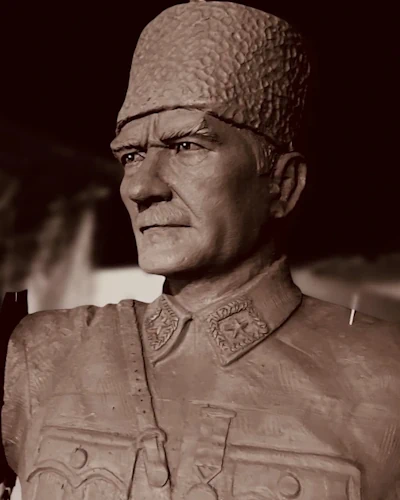
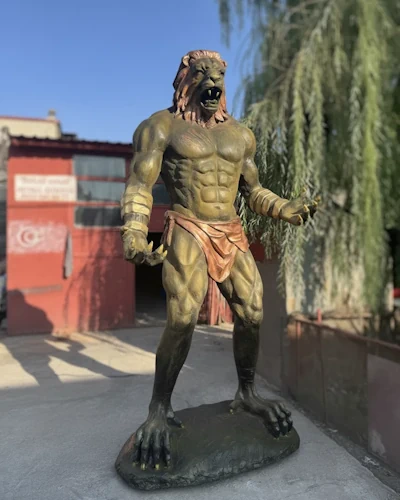
In contemporary sculpture art, terracotta has gained a new popularity with the resurgence of interest in traditional roots and natural materials. Both studio artists and industrial manufacturers emphasize the unique texture and warm color scale of terracotta as an aesthetic value. Garden decoration sculptures, interior figurines, and decorative architectural elements constitute the most common areas of use for terracotta today. The thousands of years of history of this material and its deep place in humanity's artistic memory continue to grant it a unique meaning and value in modern contexts.
Date Added: