What is Subtraction?
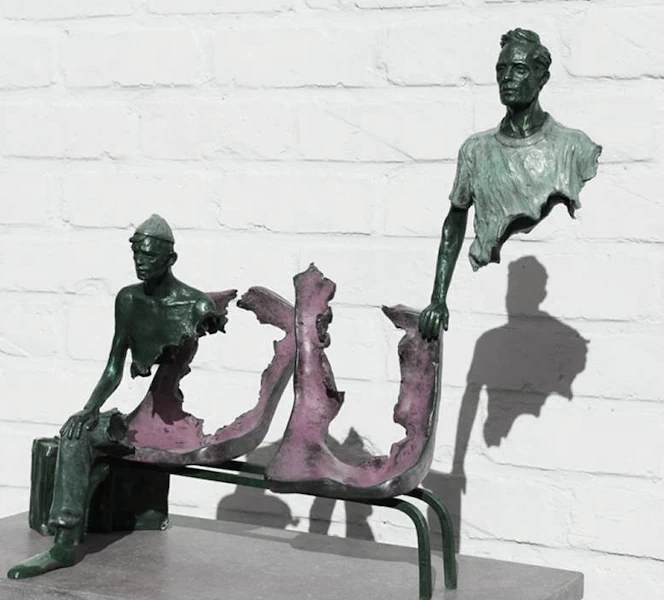
Subtractive sculpture is a production method in the art of sculpture and statuary where the desired form is obtained by removing material piece by piece from a raw medium. Also referred to as carving or subtraction, this technique is based on the philosophy that the sculpture is hidden within the material and the artist's task is to reveal it. Hammers and chisels used in marble carving, along with grinders and disc sanding tools used in stonework, are among the fundamental tools of the subtractive technique.
Characteristics of the Subtractive Technique
The most defining characteristic of the subtractive technique is that it is irreversible. Once a piece is removed from the material, it cannot be added back. This makes the subtractive technique a process that requires much more care and planning compared to other sculpting methods. A sculptor applying the subtractive method must think, measure, and evaluate before every single move. This constraint also creates a unique aesthetic tension specific to the technique and is regarded by masters as a school of discipline.
Materials Used in the Subtractive Technique
The subtractive technique is most commonly applied to hard materials such as stone, marble, granite, limestone, wood, and bone. Marble maintains its status as the most prestigious material for the subtractive technique. Carrara marble, Parian marble, and Pentelic marble have been among the most preferred varieties throughout history. Wood subtraction has developed as a separate branch under the name of the art of carving. In the modern era, some synthetic materials are also shaped using subtractive techniques; however, the traditional tradition of stone and wood carving remains relevant.
Subtraction and Other Sculpture Techniques
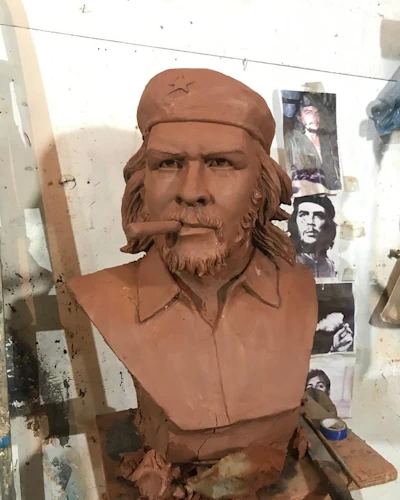
There are three fundamental techniques in the business of sculpture manufacturing: subtraction, modeling, and casting. Subtraction creates form by removing material. Modeling, on the other hand, builds form by adding material; clay and plaster works fall into this category. In the casting technique, liquid or semi-liquid material is shaped by pouring it into a mold. Each technique has its own advantages and limitations. Many professional sculpture studios use these techniques together; for example, modeling is first done with clay, then a plaster mold is taken, and finally, a permanent work is produced via bronze casting.
Examples of Subtraction in History
The history of the subtractive technique dates back to the first artistic activities of humanity. Tools and figurines produced from stone during the Paleolithic period are among the first examples of the subtractive technique. In Ancient Egypt, the colossal statues and sphinxes carved from granite and limestone are evidence that this technique was carried to monumental dimensions. In Ancient Greece, the art of marble carving reached its highest aesthetic standards. Michelangelo's David continues to be the most recognized example of works produced using the subtractive technique.
Date Added: