What is a Polymer?
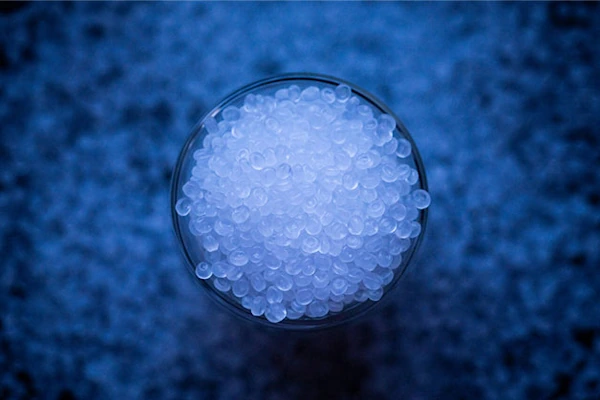
The concept of polymer, which has transitioned from chemistry and materials science terminology into the world of sculpture, is the general name for long-chain chemical compounds consisting of repeating molecular units. While natural polymers include substances such as cellulose, natural rubber, and proteins, synthetic polymers include modern sculptural materials such as polyester, polyurethane, acrylic, and epoxy. In the context of sculptural art, polymer is generally used to describe plastic-based synthetic materials, and the importance of these materials in casting, shaping, and coating applications is increasing day by day.
Characteristics of Polymer as a Sculptural Material
Several fundamental characteristics lie behind the widespread use of polymer-based materials in sculpture production. Foremost among these is versatility in processing. Polymers can be cast into molds in liquid form, shaped by hand in a semi-solid state, or processed using machining methods in a solid state. This versatility makes it possible to use the same material group for both precise figurative works and large-scale abstract forms. Furthermore, by altering the chemical formulations of polymers, properties such as hardness, flexibility, transparency, and color can be adjusted to any point across a wide spectrum.
Another significant contribution of polymer materials to the art of sculpture is in the field of surface coating. Polymer-based paints, varnishes, and gelcoat systems offer a powerful alternative to traditional surface treatments from both protective and aesthetic perspectives. Polymer coatings enhanced with UV stabilizer additives ensure that sculptures retain their color and brilliance for years outdoors. This significantly reduces long-term maintenance costs, especially in large-budget public sculpture projects.
Polymer Clay and Sculpting
In sculpture studios, the concept of polymer finds its most concrete equivalent in the application of polymer clay. This PVC-based synthetic clay, unlike traditional water-based clay, does not dry out and gains permanent hardness when cured in an oven. This feature makes polymer clay ideal specifically for miniature figure, jewelry, and small-scale decorative sculpture works. Its color variety and mixability are also key elements that increase the popularity of polymer clay among artists. Many professional sculptors and hobbyist artists worldwide effectively use polymer clay both in their draft studies and in the production of final works.
The Future of Polymer
Rapid developments in materials science improve the properties of polymer-based sculptural materials every passing year. Biodegradable polymers and recycled plastic-based sculpture materials are receiving increasing interest today, as environmental concerns come to the fore. Progress in 3D printing technology brings polymer materials together with digital design, carrying sculpture production into an entirely new dimension. All these developments indicate that the position of polymer in the art of sculpture will become even stronger in the future.
Date Added: