What is a Monument?
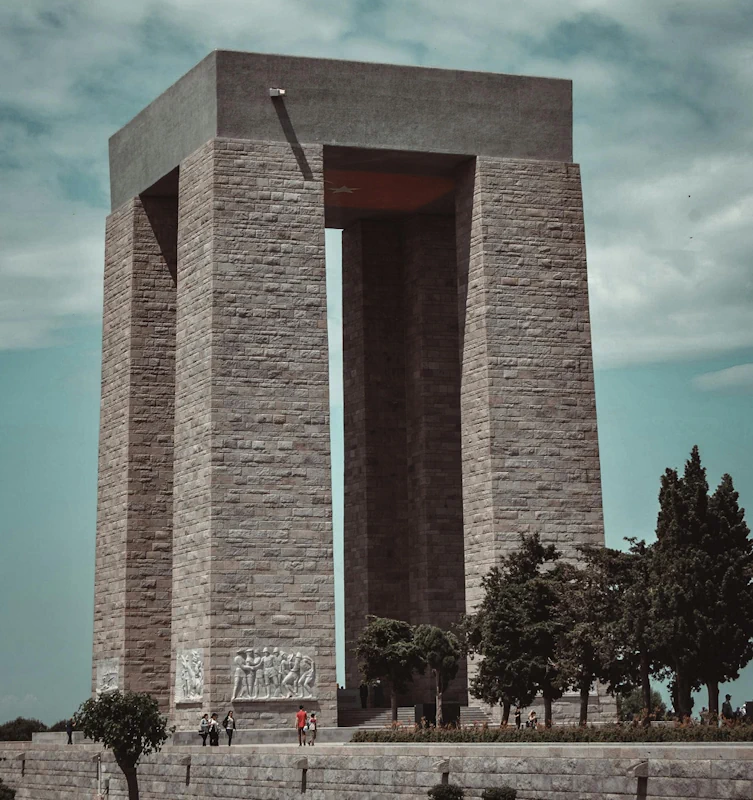
A monument is a permanent structure or sculptural work built to immortalize individuals, events, or values that have left deep marks on the collective memory of a society or nation. It is not merely an object made of stone, metal, or concrete; it is the tangible expression of the bridge built between the past and the future. Throughout history, every civilization has created its own monuments, declaring through these works who they are and what they are nourished by to the world.
The Difference Between "Abide" (Monumental Structure) and "Anit" (Memorial)
Although the concepts of "abide" and "anit" are occasionally used interchangeably, there is a subtle difference in meaning between them. While a monument sculpture usually symbolizes a single person or event, a monument (abide) carries a broader meaning; it can represent an entire civilization, the spirit of an era, or a collective value. For example, a war martyrs' memorial erected in a city square can possess the characteristics of both a memorial and a monument. However, structures like Hagia Sophia are defined only as monuments because they reflect an entire civilization rather than a single individual.
Historical Development of Monuments
The tradition of building monuments dates back thousands of years. The Egyptian pyramids are giant monuments carrying the pharaohs' belief in immortality. Greek temples were built as sacred monuments dedicated to the gods. The Roman Empire carved its military achievements into stone with triumphal arches and columns. Anatolian lands have also hosted powerful monuments in every period of history. Seljuk cupolas, Ottoman social complexes (kulliyes), and Republic-era memorials constitute different links of this deep-rooted tradition.
Social Function of Monuments
A monument is not just an aesthetic object; it is the embodiment of social identity, collective memory, and common values. When people stand before a monument, they feel they are part of something larger than themselves. This feeling strengthens both individual and social integration. Monument sculptures are positioned especially in city squares, school gardens, and entrances of official institutions to fulfill this social function.
Materials Used in Monument Construction
Traditional monuments were built with natural materials such as stone, marble, and granite. Over time, the bronze casting technique became widespread, and bronze monuments became the preferred material because they offer durability and an aesthetic appearance together. Today, modern materials such as polyurethane, polyester, and fiberglass are also used in monument construction. These materials stand out for their lightness, workability, and cost advantage. The choice of material is determined according to the intended use of the monument, outdoor or indoor conditions, and the budget.
Monument Tradition in Turkiye
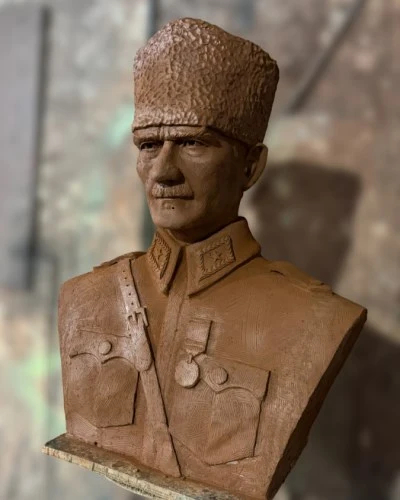
Turkiye is one of the world's most established countries with its rich monument tradition. Seljuk and Ottoman era structures spread all over Anatolia form the first links of this tradition. With the proclamation of the Republic, a new understanding of monuments was born. Ataturk busts and memorials, Independence War monuments, and martyrs' memorials are the most prominent works of this period. Today, municipalities, schools, and public institutions continue to commission monument sculptures to keep historical and cultural values alive.
Monument Ordering and Production Process
For those who want to order a monument, the process usually starts with the design phase. After the area where the monument will be positioned, its size, material preference, and the story it wants to tell are determined, a draft design is prepared by the studio. Thanks to digital modeling and 3D visualization, the customer can see the product before receiving it. Following the approval process, production begins, and assembly is carried out after delivery. A high-quality monument can remain standing for decades without requiring maintenance.
Date Added: